Elevating the Pedestrian Experience: Building Common Ground at 10 World Trade
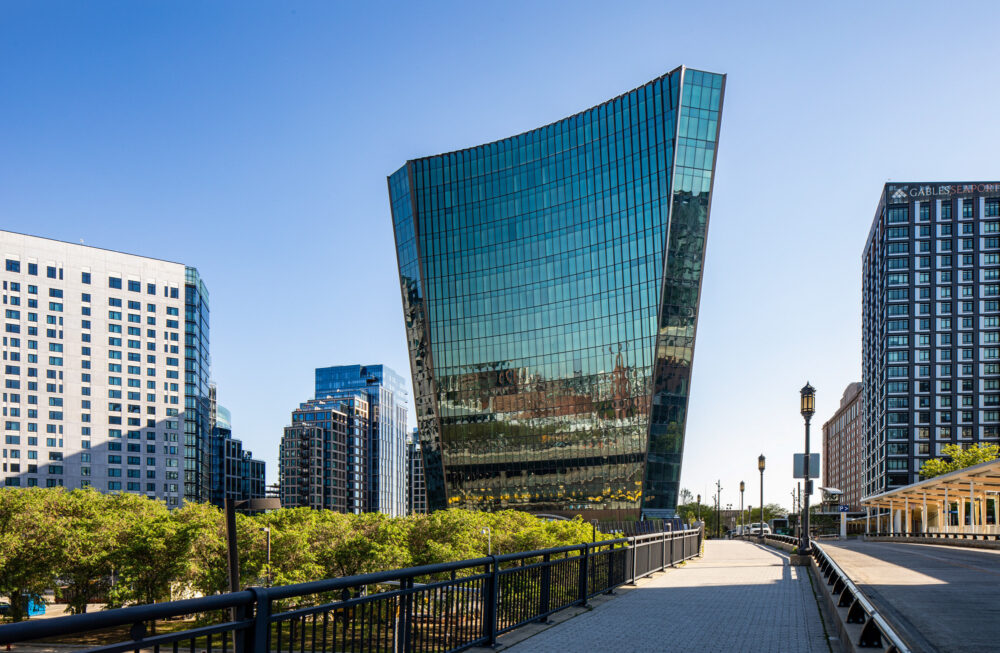
10 World Trade's public realm creates new connections in Boston's Seaport.
 Sasaki
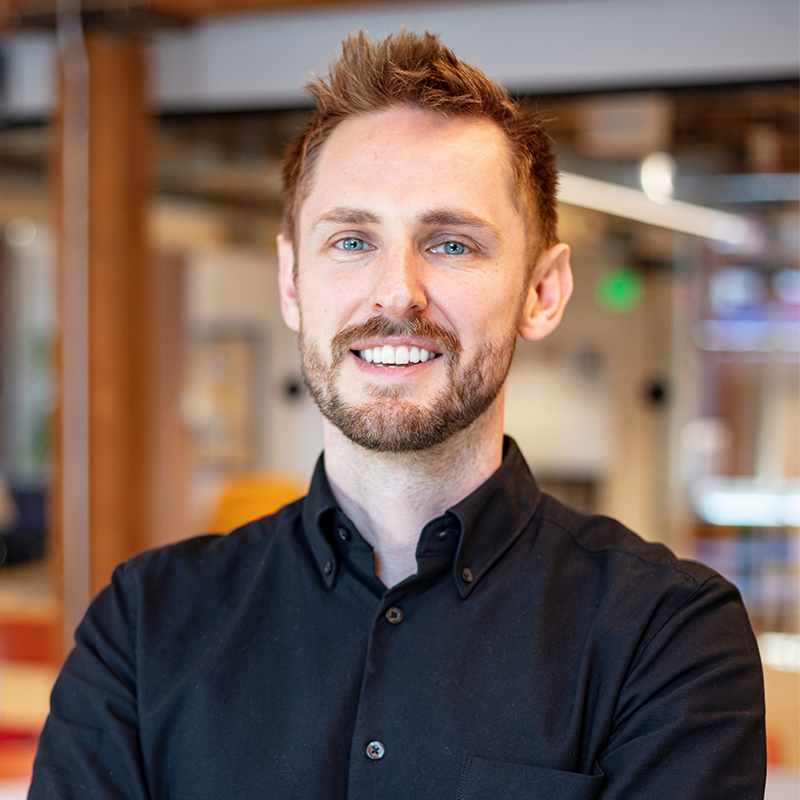
Sasaki is delighted to announce that Philip Dugdale ASLA, PLA, has been promoted to principal. As a leader in landscape architecture and director of our New York studio, Philip has built his career leading teams on high-impact public realm projects that transform everyday life through a deeply human-centered, experiential approach to placemaking.
Philip has worked on projects across the U.S., including Wilmington Waterfront Promenade in Los Angeles and 10 World Trade in Boston, as well as leading local New York projects such as the West Village Streetscape, Western Rail Yard’s ‘Hudson Green,’ and the design and implementation of a critical new civic space at the Brooklyn Navy Yard.
Learn more about Philip and his vision for the role:
Philip has built a portfolio that spans complex urban, commercial, civic, and campus projects, moving seamlessly from conceptual design through detailed execution. He's been instrumental in building Sasaki’s presence in New York, and fostering a collaborative, interdisciplinary studio culture that reflects our ‘Better design, together’ ethos.
Anna Cawrse, principal and Chair of Landscape Architecture, Civil Engineering, and Ecology at Sasaki
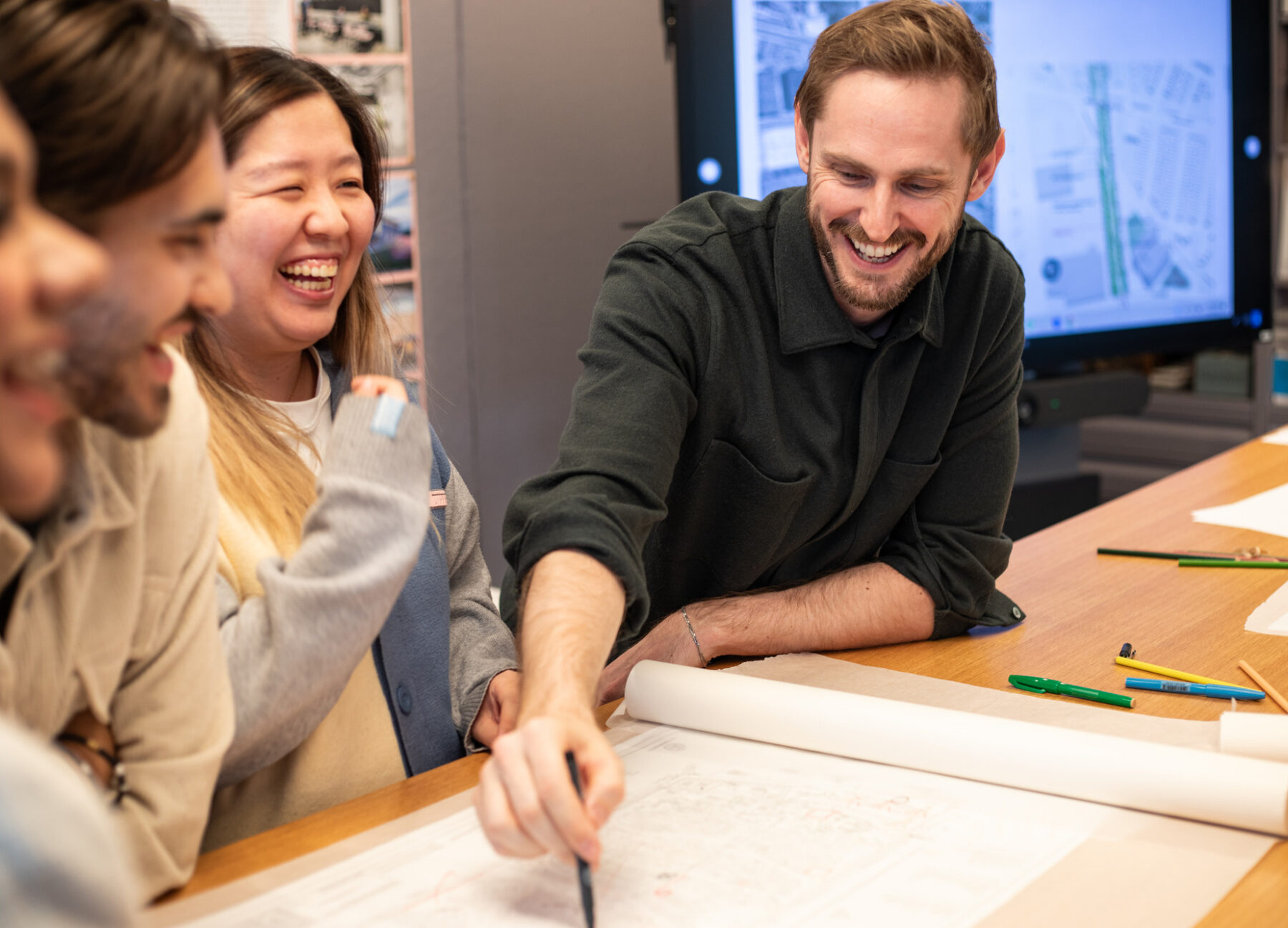
I’ve been at Sasaki for over a decade, stepping into this role is an opportunity to help shape the next chapter of the firm. Sasaki has been around for almost 75 years, and I see this role as being a steward of the firm’s legacy. I’ve grown from an ambitious young designer into a leader, and I see my role as an opportunity to give others that same opportunity and help mentor designers at different stages in their careers. I’m excited to build teams that are curious, collaborative, and relentlessly focused on design excellence.
As principal, my focus is to work collaboratively with my partners across all disciplines to guide the direction of the practice. My role in the New York studio means being intentional around the types of work that we pursue. I’m interested in work that is ambitious in design, rooted in context, and aligned with our commitments to equity and supporting daily life. It means showing up as a long term partner here in the city, bringing fresh ideas, and building trust with clients, public agencies, and community organizations who are eager to do the hard work with us.
My focus will also expand from individual projects to how we, as a studio, practice together. That means evolving how we work. New technology and tools have quickly changed the way we produce as designers, but in-person, tactile collaboration still has the power to fundamentally expand how we think. Making sure we balance these new tools with time spent learning from each other is incredibly important to me if we want our work to last for generations.
Ultimately, the change I am most interested in is growth that feels meaningful: projects that push us as designers, clients who want to engage deeply with our process, and a studio culture that people are genuinely proud to be a part of.
At my core, I’m an experiential designer. Being a visual person, I’m constantly thinking about how we move through space—the sequencing of views, the shifts in light, the textures underfoot, even the sounds and smells around us. I was influenced early in my studies by Gordon Cullen’s Townscape, and his concept of serial vision still guides my work today. Over time, my approach has evolved to also ask whose histories, identities, and everyday rituals those spaces are made to hold. To integrate that into a more engaging design approach that’s as much about representation and belonging as it is about form and sequence.
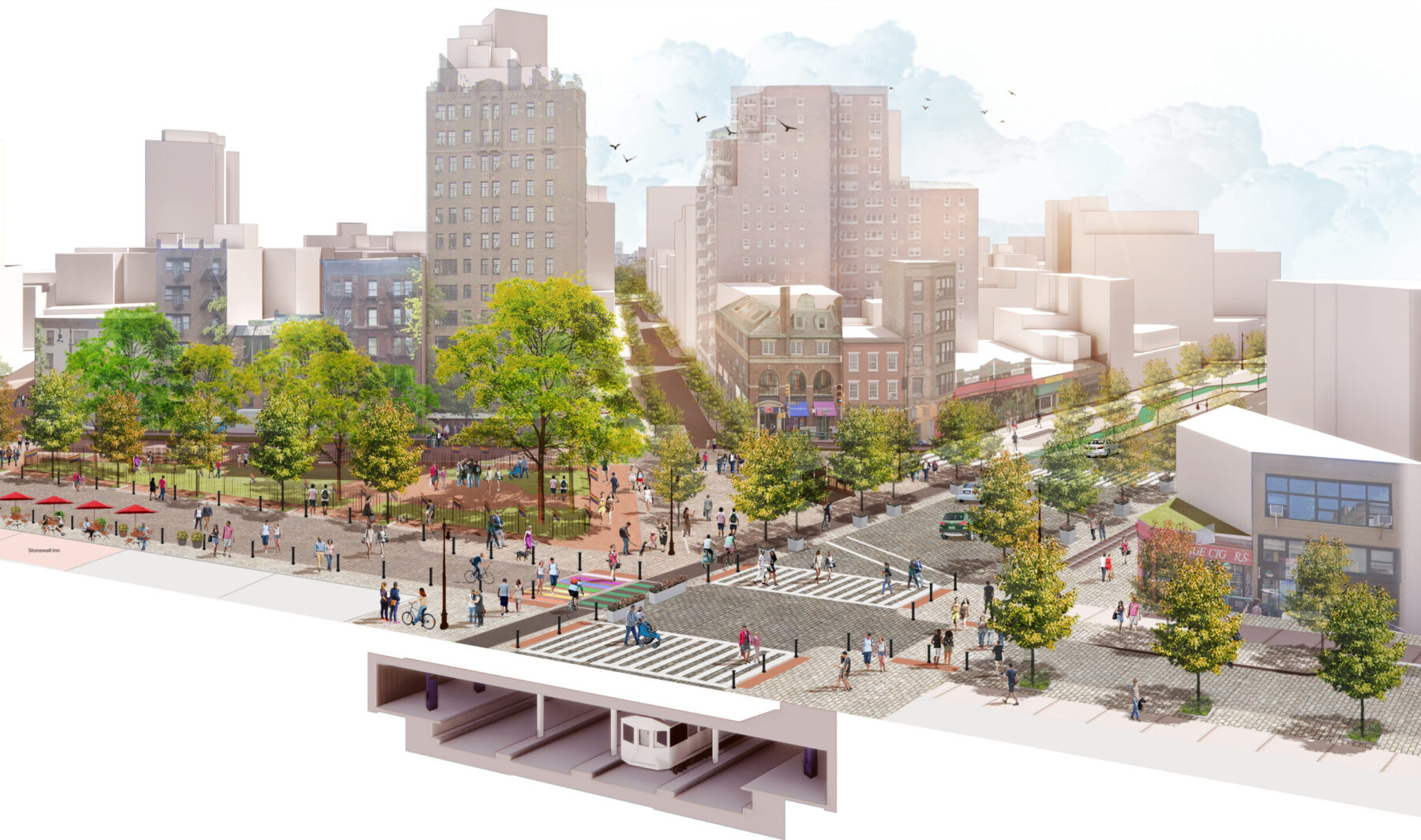
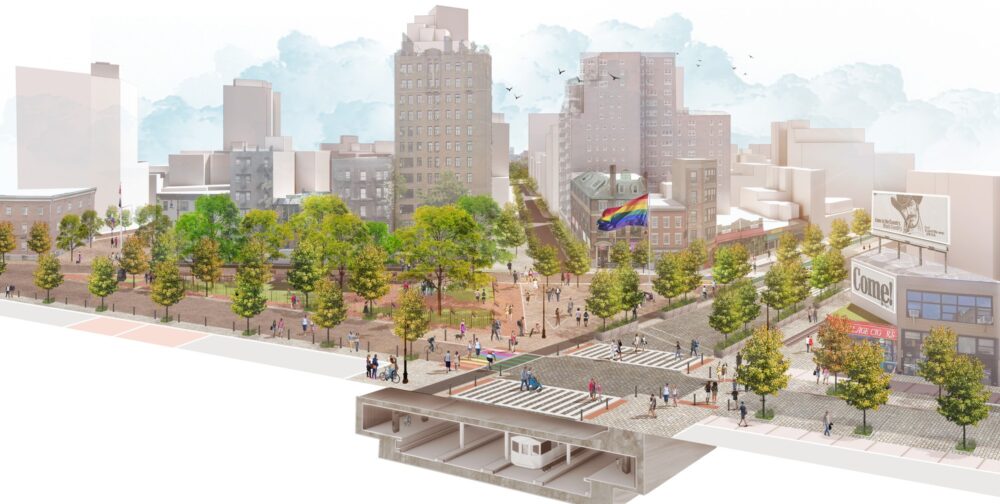
The West Village Streetscape Master Plan envisions a more walkable, connected neighborhood that honors its LGBTQ+ legacies.
I’ve been fortunate that some of my recent work has been around making space for people whose lives may not always be reflected in the public realm. In the West Village, our team has treated the 7th Avenue South corridor as a living cultural landscape, one that honors LGBTQ+ legacies and centers community memory and activism. Our work creates streets where people feel comfortable lingering, gathering, and seeing their own stories mirrored in the city around them. The design is born from engagement and is explicitly about making the public realm more inclusive, accessible, and responsive to the neighborhood’s layered identity.
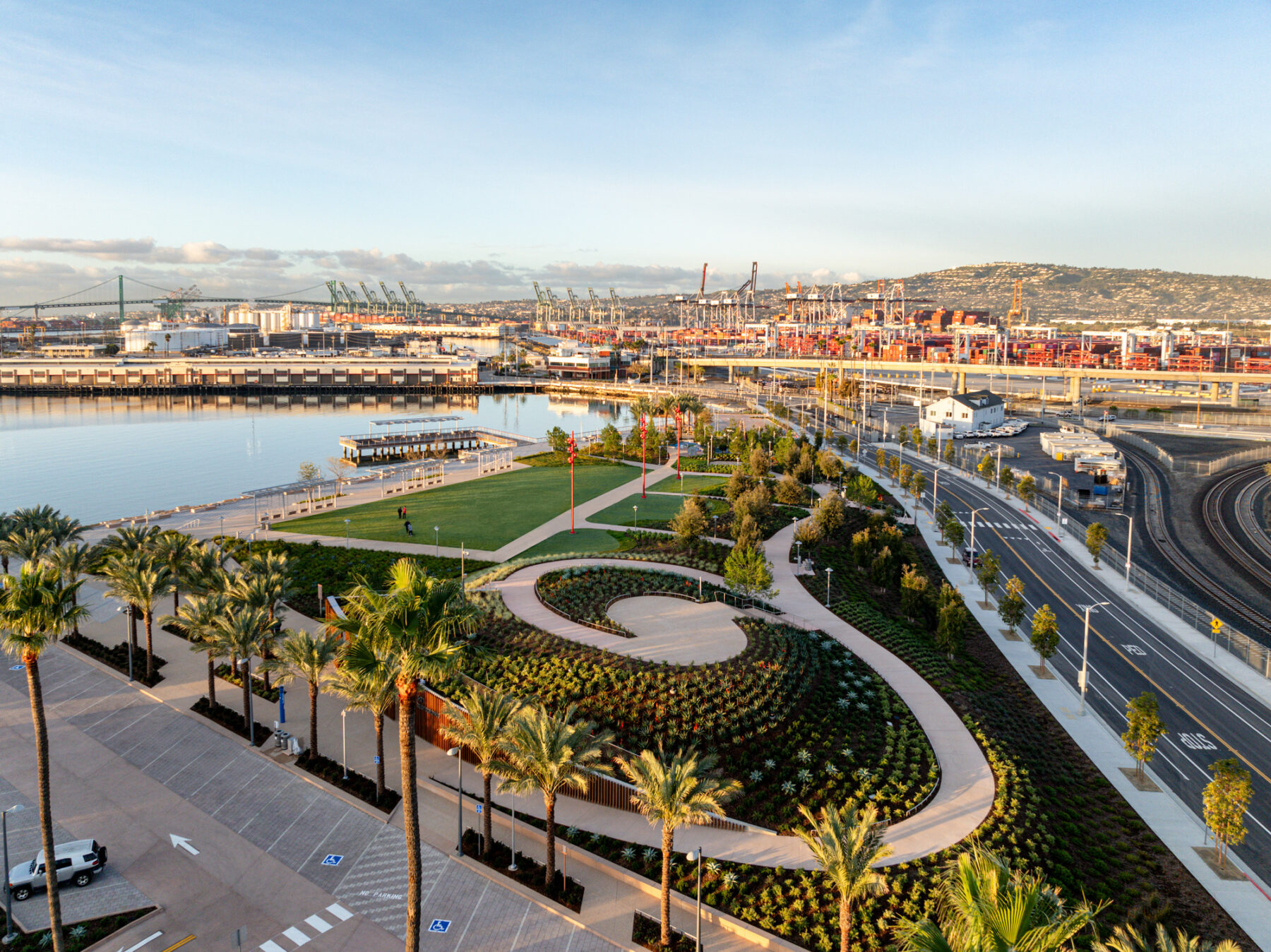
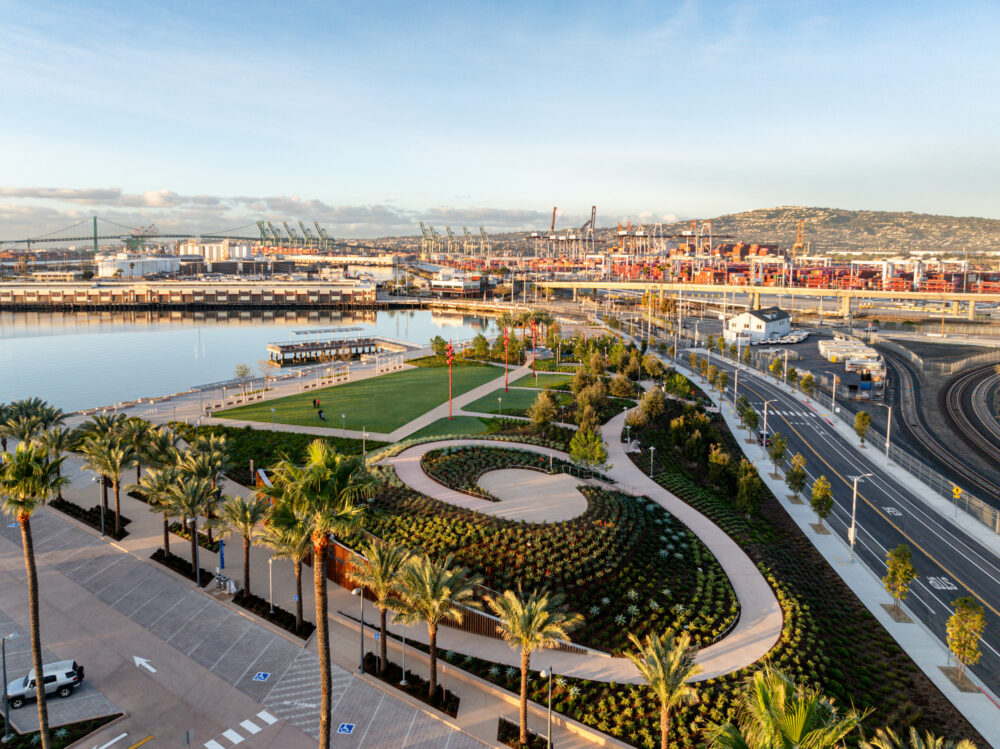
The Wilmington Waterfront Promenade creates a welcoming space for residents to connect with the water at one of North America’s busiest ports.
Similarly, the Wilmington Waterfront Promenade in Los Angeles has been a lesson in how communities can directly guide both the design vision and the implementation choices of a major public project. Working with the Wilmington community and the Port of Los Angeles, we focused on reconnecting a historically disinvested harbor community to its waterfront, creating spaces that are welcoming, protective, and reflective of local identity, while also providing access to the water through design interventions that felt authentic. For me, a project like this reinforces the idea that when communities are engaged in the process and great design can frame the possibilities, we can collectively create meaningful public spaces.
I’m driven by the belief that the public realm is essential community infrastructure. It can carry memories, support community and chosen families, and create moments of recognition and delight. Designing spaces where others can see themselves, claim space, and shape authentic forms of public life is what keeps me engaged in this work.
Every design project teaches you something different. But the experience that has most changed the way I think is less a single project and more the community that has formed around our Sasaki studios. This began early in my career at the firm with initiatives like creating an employee-run garden and building a hot‑pink chicken coop. Each started as small, experimental efforts, but they became everyday reminders that shared stewardship can fundamentally shape our culture.
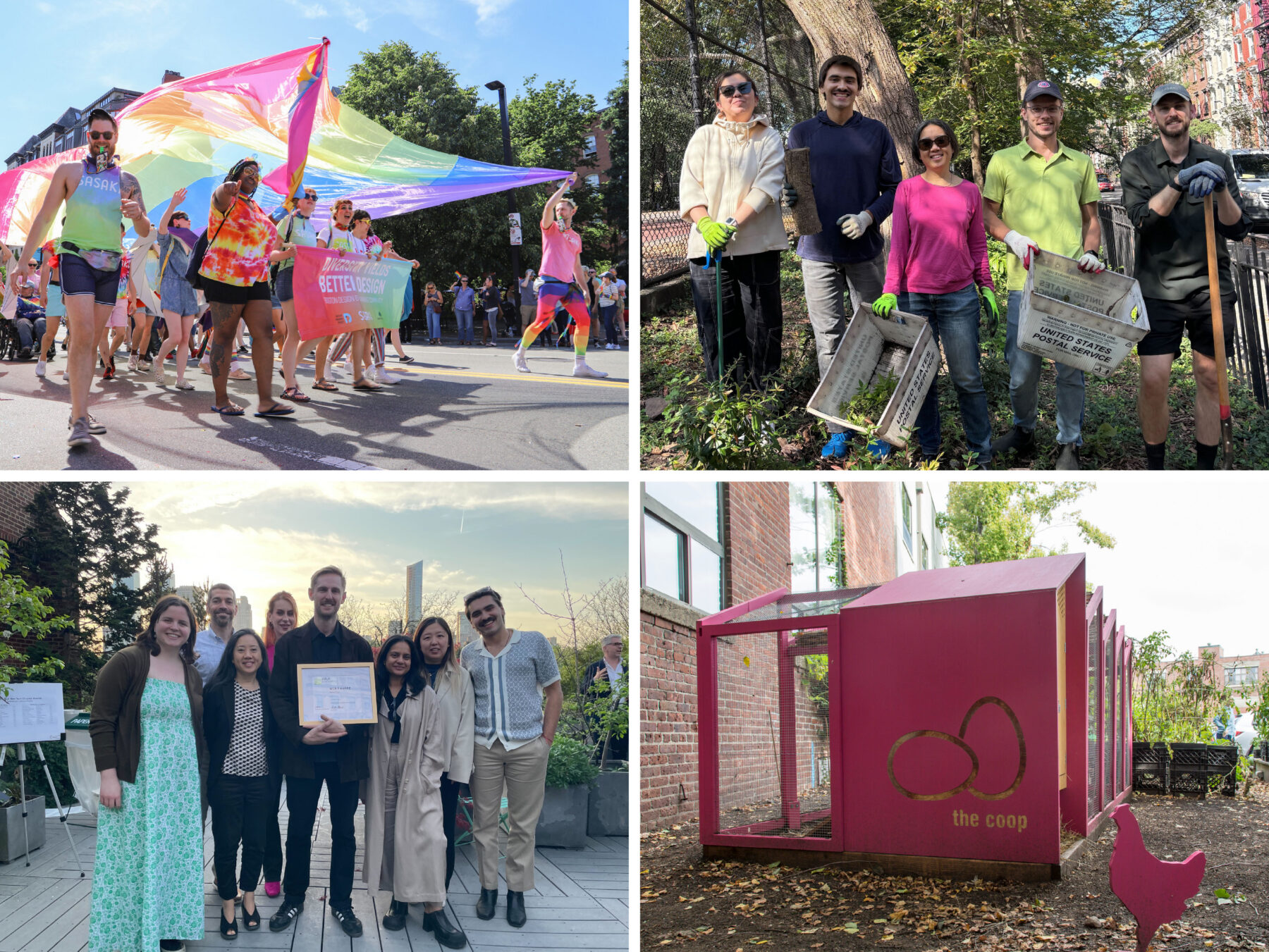
That same ethos underpins Pride celebrations at Sasaki. What began as simple acts of visibility and celebration grew into an ongoing practice of making space for different identities and lived experiences to be seen and valued in our studios and in our work. Through that, I began to understand community-building as a form of design in itself, setting the conditions for people to feel represented and empowered to contribute, rather than assuming there is a single “typical” Sasaki voice or experience.
These lessons directly influenced how to lead the New York studio. In New York, I’m most proud of building a collective of enthusiastic, optimistic designers who are as literate and thoughtful about culture and community as they are about form and function. I encourage designers to be both business- and impact-minded—we talk openly about responsibility and winning work not for its own sake, but for what it enables us to do with, and for, others.
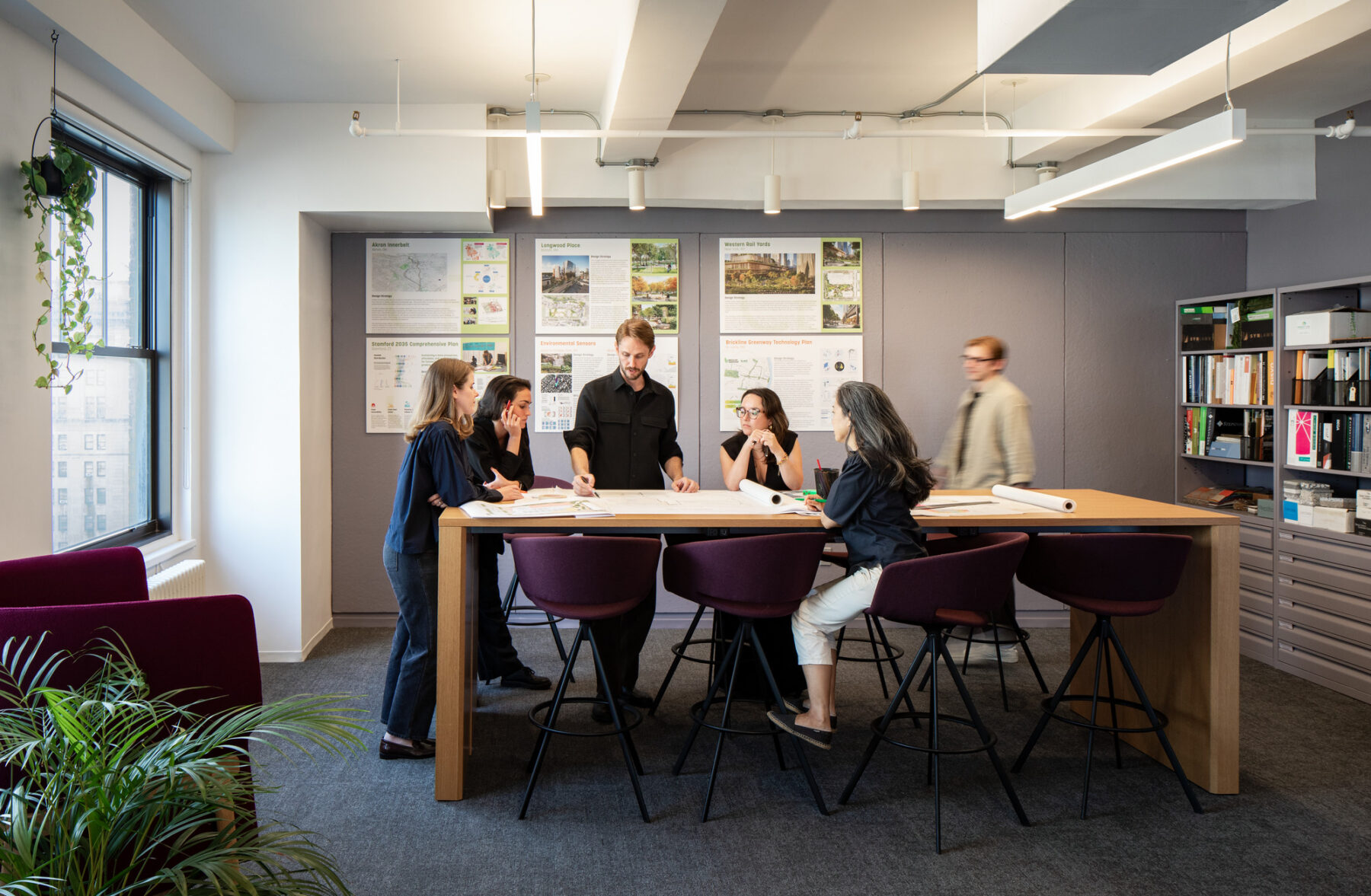
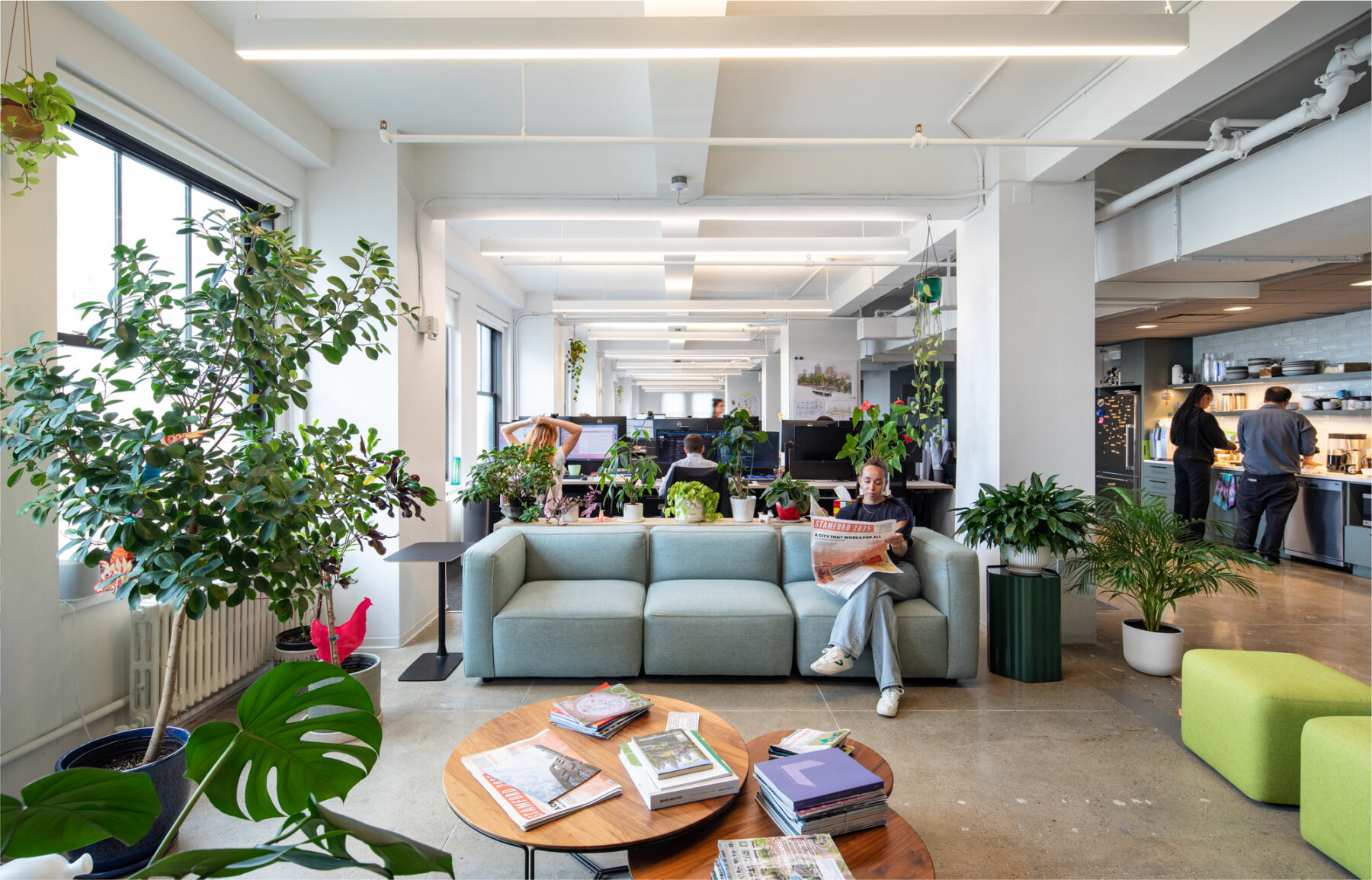
I’m drawn to the energy and diversity of people using space in ways you could never fully script; that’s where design feels most alive.
Philip Dugdale, principal
Our New York studio sits near downtown Brooklyn at a moment when the neighborhood is actively reimagining what it should be. We’re watching in real time as streets once dominated by cars are gradually reshaped into a more walkable, greener, and mixed-use neighborhood, with wider sidewalks, tree lined avenues, and a growing network of public spaces. Being embedded within this sharpens our sense of responsibility; we see every day how design decisions influence who feels welcome, how people move, and how the city expresses its identity.
At the same time, we’re working across New York City as a whole, from neighborhood streetscapes to large, complex sites like at the Western Rail Yards. We’re thinking about how a major new open space atop critical infrastructure can knit into the existing city fabric, how it can feel continuous with existing streets and parks, how it can take inspiration from the city’s great parks and public spaces to create a landscape that belongs to all New Yorkers.
As our studio continues to grow, my goal is to deepen relationships across the city and region. That means taking on work that is truly of, and for, the people of New York, building long-term partnerships with public agencies, community organizations, and private clients who share our values, and bringing what we learn from New York projects back to our larger Sasaki practice. I want our studio to be known for design rigor, for generosity in collaboration, and for helping cities navigate growth and change without losing their distinctive character.
Sasaki has an extraordinary legacy of projects that have shaped the field and set benchmarks for interdisciplinary practice. As principals, we have a responsibility to be good stewards of that legacy while also pushing the firm into new territories. I see our future in continuing to lead on complex, mission-driven projects around the world. That means investing in our people, embracing new tools and ways of working, and being deliberate about the impact we want our work to have. If we do that well, we honor the firm’s history not by preserving it, but by extending it and creating the next generation of “legacy projects” that future designers will look to as precedents.
Cities like New York and London are endlessly layered. They’re places where infrastructure, culture, and daily life are in constant dialogue, and that tension creates incredible opportunities for landscape architecture. I’m drawn to the way cities absorb change over time and the way new projects sit alongside legacy ones, how public spaces are reimagined rather than erased. It has taught me to be comfortable with complexity but most of all, I’m drawn to the energy and diversity of people using space in ways you could never fully script; that’s where design feels most alive.
10 World Trade's public realm creates new connections in Boston's Seaport.
Sketching serves as a powerful conduit between thought and form; it also offers landscape architects a unique medium for exploration and clarity.