From Commitment to Action: Green Day 2026
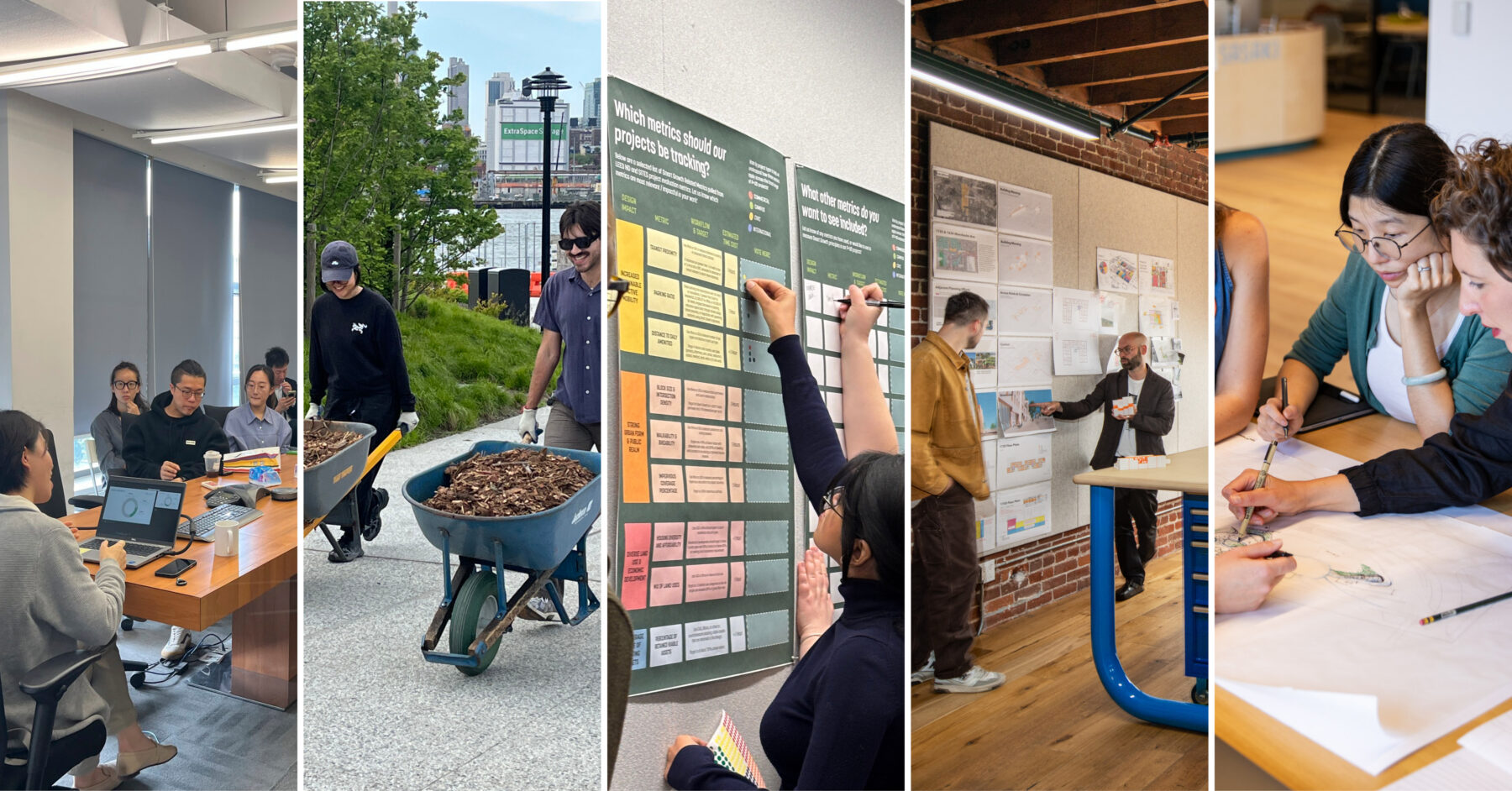
This year, Sasaki gathered to define the goals, metrics, and workflows to support our Sustainability Action Plan.
 Sasaki
At Sasaki, sustainability is a core through line in our architecture, landscape, and planning practice. We understand the generational impact that our work has on the planet, and we acknowledge our capacity for creating lasting positive change in the environment when we approach our work with thoughtful responsibility and a passion to make the world a better place.
Our integrated approach to design and planning–a hallmark of our practice since the firm’s founding over 70 years ago–has long enabled us to devise comprehensive solutions shaped by the blending of disciplines, scales, and strategies. This framework equips us with the ability to infuse a deep understanding of environmental context into every dimension of our work, helping us create projects that holistically embrace sustainability from the ground up.
To create this 2026 revision to our 2019 Sustainability Action Plan, we worked together for over a year to go beyond sustainable design principles and best practices by developing specific goals and metrics for our project work and office operations. These measures to integrate sustainability into all aspects of our design practice reflect our commitment to addressing climate change, championing biodiversity and environmental justice, minimizing the use of natural resources, and reducing carbon footprints.
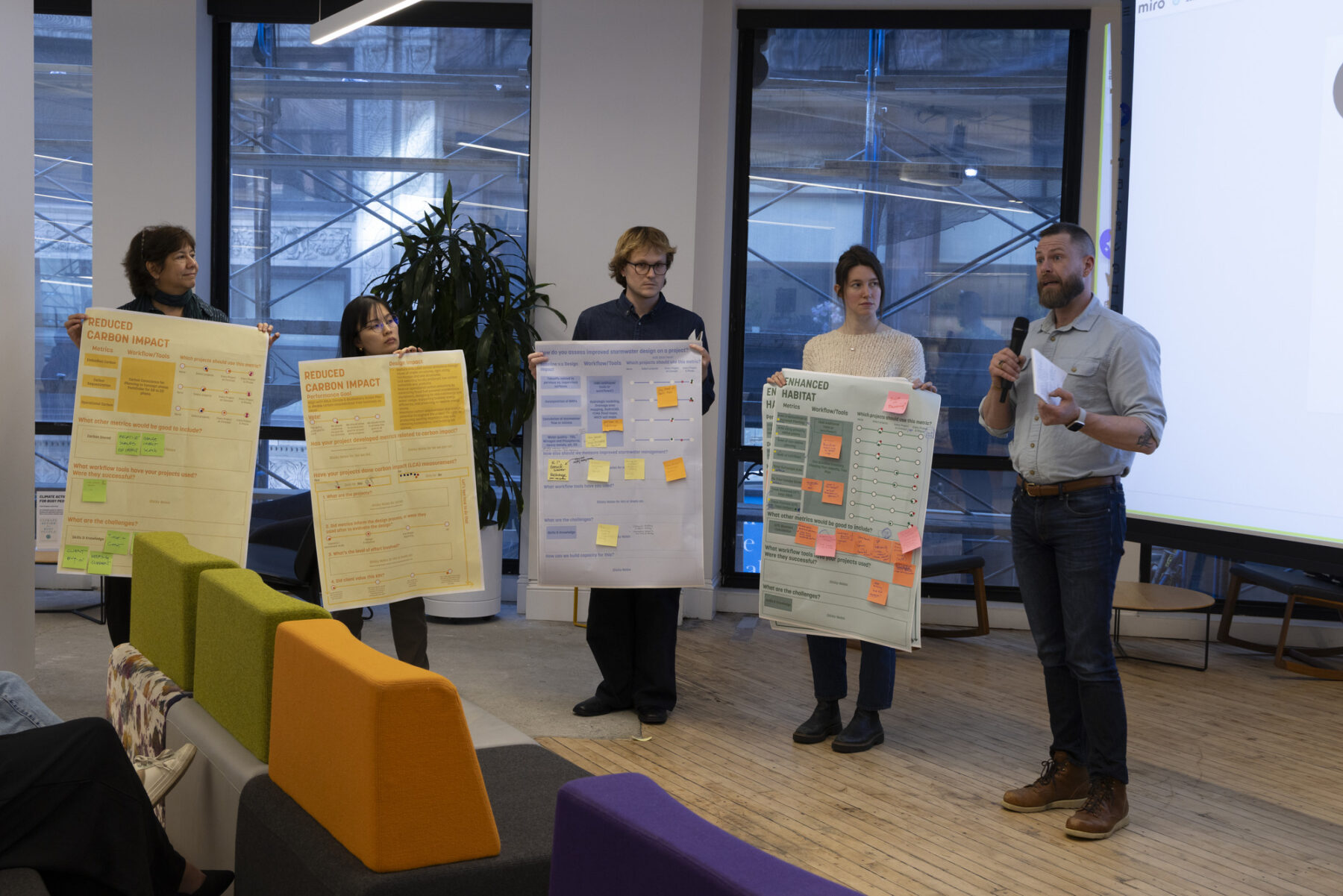
In keeping with the core values of our practice and in response to the rapidly evolving climate context, Sasaki’s renewed Sustainability Action Plan charts a vision for integrating sustainability across all aspects of our professional practice. The Plan was developed through the collaborative efforts of contributors and reviewers across all of our practice groups, as well as through participatory workshops at Green Day 2026, where Sasaki colleagues helped crowdsource best practices and test draft goals and metrics.
The Plan’s firmwide sustainability goals and actions span across Sasaki’s disciplines–Architecture and Interiors, Landscape Architecture and Civil Engineering, and Planning and Urban Design–unifying them with a common floor and with metrics for every project. These guidelines also extend to our office operations, ensuring that our day-to-day procedures and firm culture fully embody our commitment to sustainable practice.
This move towards establishing a consistent workflow and standards stems from Sasaki’s ethos of achieving design excellence through collaborative stewardship and shared values.
The Plan is organized around five themes:
Later this month, associate principal and landscape architect Chris Hardy will present carbon sequestration strategies and Sasaki’s Sustainability Action Plan metrics to meet the ASLA Climate & Biodiversity Action Plan and the newly published Site LCA standards for standardizing whole-project reporting for landscape projects at the 2026 ASLA Conference in Los Angeles.
Sustainable design is central to our success, our hopes for the future, and our pride in our work as a firm. Recognizing the immense potential for good that the AEC industry holds, we believe that every project is an opportunity to build resilience and address climate change. This Sustainability Action Plan lays out a roadmap to achieve these strategic objectives, bolstering our existing commitments while establishing a framework for responsible, accountable design.