融合政策与实践:西好莱坞住房扩展规划
Leading an integrated residential planning process to help WeHo build a more sustainable housing future
 Sasaki

Despite dozens of new policies in states across the nation—mandatory station-area zoning reforms, statewide fair-share housing growth allocation, fiscal incentives, and joint development—the U.S. housing crisis continues to compound. Transit-Oriented Development (TOD) has re-emerged as a useful tool to close the gap between ambition and completion, and Sasaki is aligning regulation, public engagement, and urban design to help put this tool into practice.
While pro-housing policies have done a great deal to authorize housing growth near transit, they do not go far enough. In practice, TOD frequently encounters a wide range of issues, from environmental constraints and fragmented jurisdictions to zoning misalignment and community concerns. Successful TOD projects, like the two case studies outlined here, are buildable, livable, and legitimate:
Creating a credible path to TOD implementation is an exercise in integration. By combining expertise in public regulation, site-scale urban design, public communication, and community engagement, Sasaki brings an ideal framework to move policy into practice, and finally get the housing and TOD that communities desperately need.
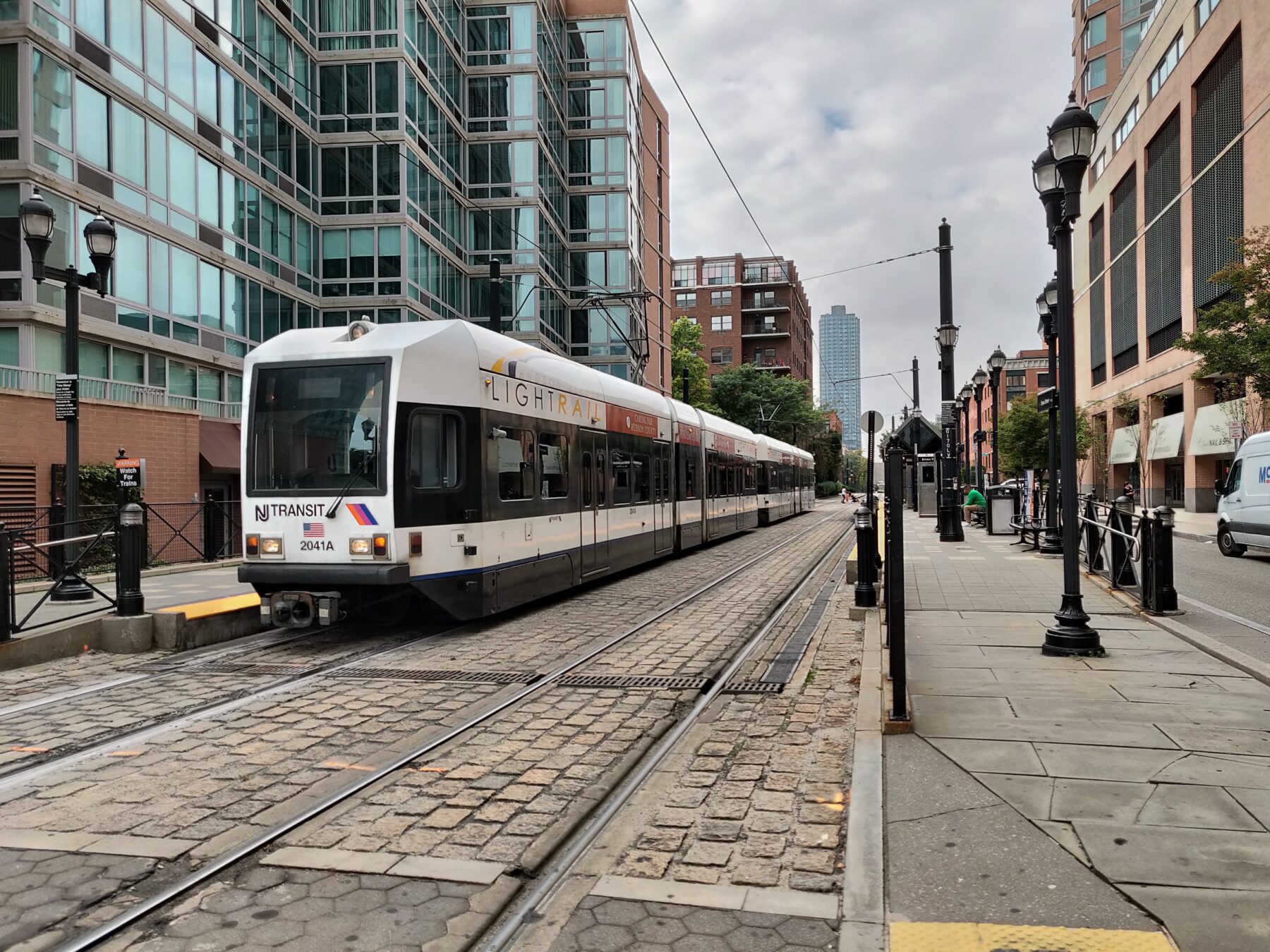
Transit-oriented development in New Jersey. Credit: Sebastian Sinisterra
As one of the nation’s most densely populated and transit-rich states, New Jersey holds exceptional potential for transit-oriented growth. Yet even the most ideal sites are beset by issues. Fragmented municipal land-use regulations, combined with the technical, financial, and institutional complexity of development near active transit facilities often prevent progress.
The state is now placing greater urgency on housing delivery. Governor Murphy’s recent Executive Order No. 17 calls for a whole-of-government effort to accelerate production. In response, NJ TRANSIT developed their LAND Plan (Leveraging Assets for Non-farebox Dollars), a 30-year blueprint designed to unlock the economic potential of the agency’s 8,000-acre real estate portfolio. The Plan rightly views their holdings as strategic assets for producing housing, increasing ridership, and generating non-farebox revenue.
At this critical junction, NJ TRANSIT selected a team led by Sasaki for the next phase of its Transit Friendly Planning program, focusing on equitable, economically resilient, and environmentally sustainable development. Sasaki is currently addressing delivery challenges at three interconnected scales:
This multi-faceted work treats TOD not as a series of isolated real estate projects or local plans, but as a statewide delivery system. It aligns public land, municipal planning, and community decision-making towards pro-housing goals. The approach is already yielding results as priority sites accelerate towards joint public-private procurement later this year.
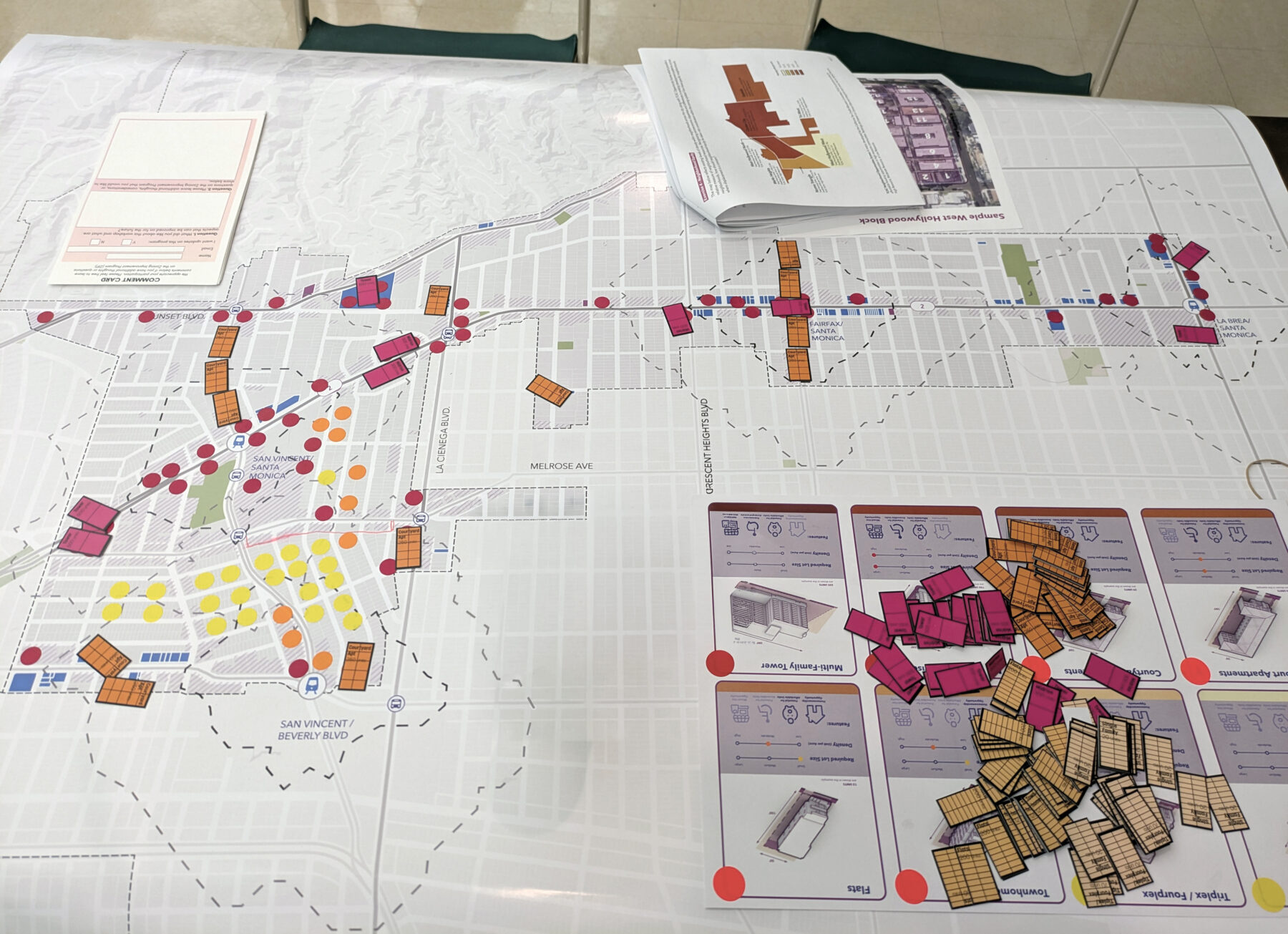
A community workshop in West Hollywood showing test fits for housing.
West Hollywood has a celebrated legacy of innovative housing design and has long been considered one of the most progressive municipalities in the country— a legacy borne of the grassroots activism that led to the city’s incorporation in 1984 and its enduring commitment to civil and tenants’ rights.
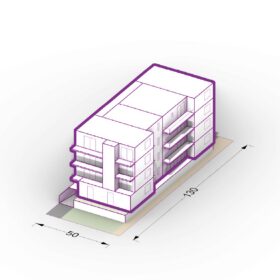
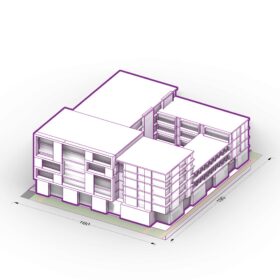
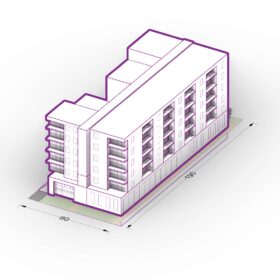
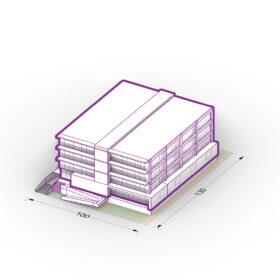
In 2024, the City commissioned Sasaki to translate broad pro-housing goals into regulations that residents could understand, developers could act on, and would reliably produce well-designed housing. The development and design zoning standards would further need to align with California State Regional Housing Needs Assessment (RHNA) requirements while preserving the character of the city’s built environment.
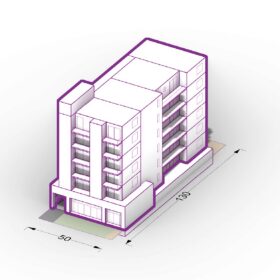
Rather than calling for sweeping change, Sasaki’s approach prioritized targeted, contextually sensitive infill, with proposed housing types calibrated to each zone’s density. In doing so, it accomplishes a three-part mandate:
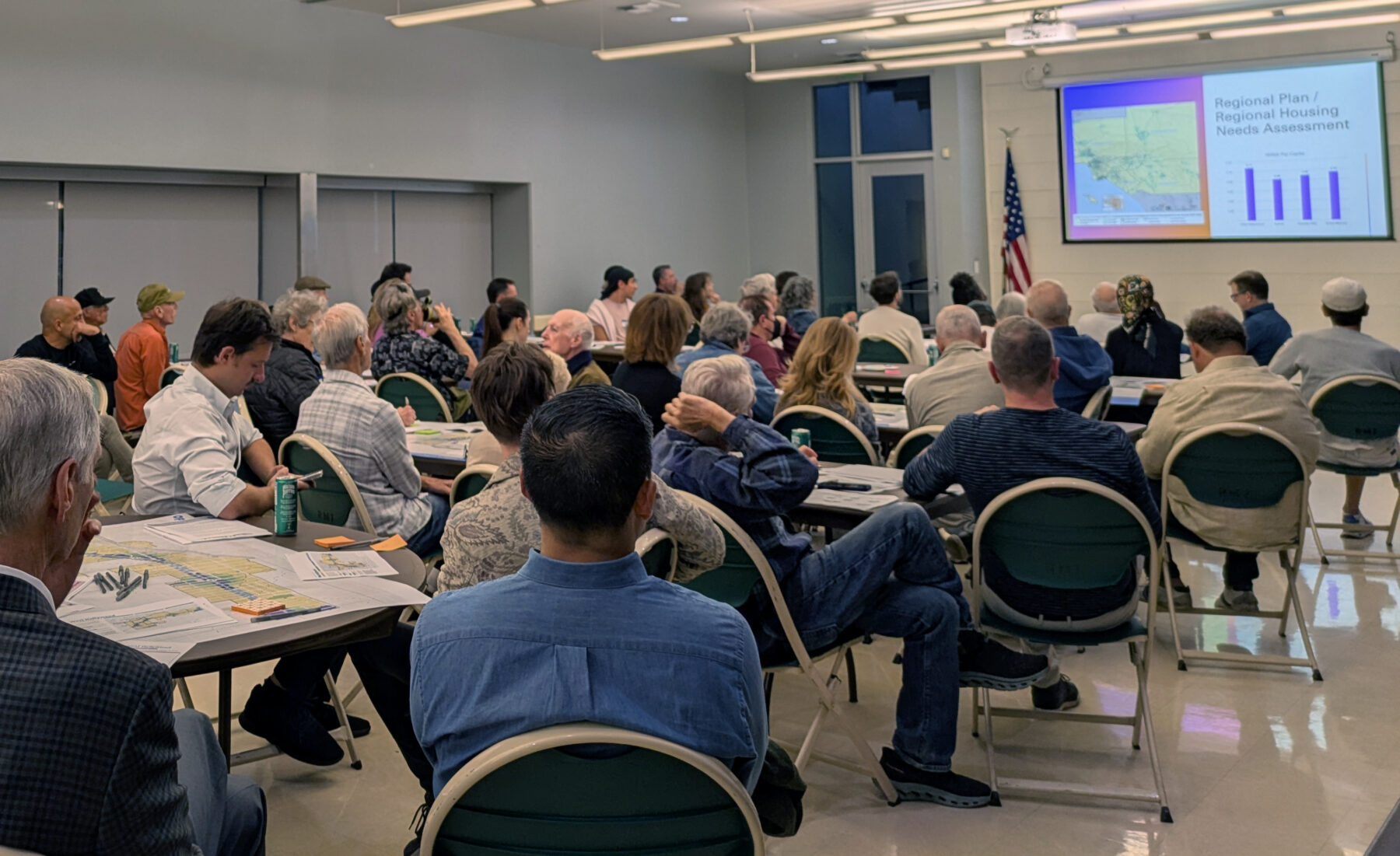
Achieving this required close coordination between planners navigating high-level policy and architects testing the real-world viability of housing models on specific sites. Community workshops and public engagement sessions ensured that residents shaped the process alongside technical experts.
The result is a bold set of recommendations that uphold design quality, protect community interests for affordability and tenants’ rights, and provide a reliable pathway for housing production in the current market.
The housing crisis is at an inflection point, and the current wave of pro-housing policies adopted by states is helping to create favorable conditions for change. But zoning changes alone will not produce the housing, neighborhoods, and public benefits these policies promise. It’s up to us as designers, developers, and community members to harness these important openings and advocate, plan, and design for growth.
At Sasaki, we believe the next generation of TOD planning must focus on building a credible pathway from policy to implementation – one that aligns regulation, market feasibility, infrastructure, design, and public decision-making. This work is demanding because it requires moving across scales, disciplines, and institutions. But it is also where the promise of pro-housing policy can become tangible, through projects that are buildable, places that are livable, and growth strategies that communities can understand and support. Through its work in New Jersey, California, and states across the country, Sasaki is helping public agencies and municipalities make that transition.