Campus Solutions: Planning for Design in a Changing Education Landscape
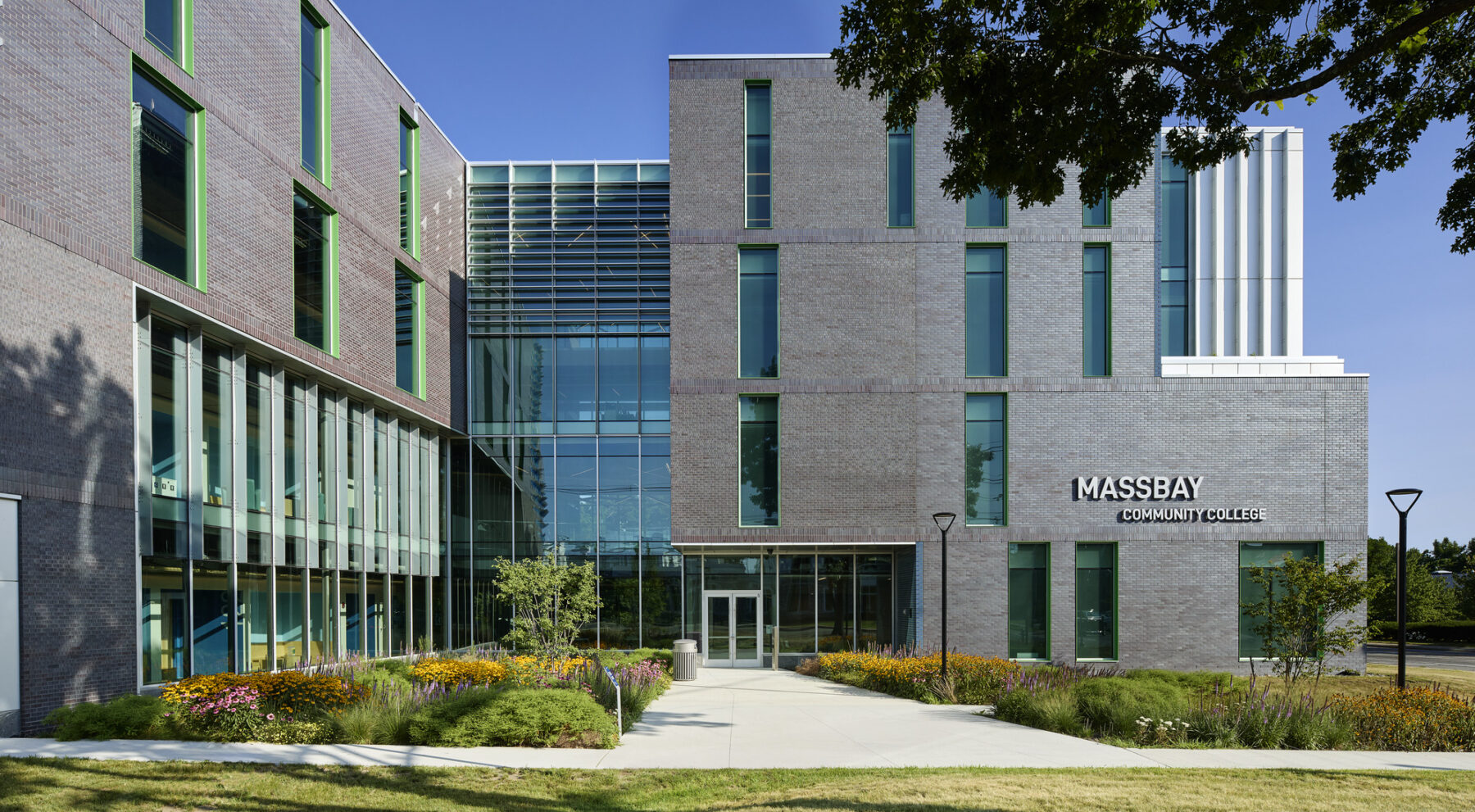
The MassBay Community College Center for Health Sciences, Early Childhood, and Human Services.

 Sasaki
Academic institutions, from K-12 to higher education, are under extraordinary pressure to adapt to evolving student expectations, demographic shifts, aging infrastructure, rising construction costs, and urgent climate goals, while trying to deliver an educational experience that is inclusive, flexible, and future-ready. At Sasaki, we see this moment as an opportunity to reimagine campuses as dynamic, integrated, and resilient environments that shape the student experience for generations to come.
Our work across institutional projects demonstrates how thoughtful planning and design can align physical space with mission-driven investment. As an architect who works closely with my colleagues in campus planning and landscape architecture, I’ve found that the most successful projects are those grounded in the unique aspirations and context of each institution, built through consensus and guided by a realistic understanding of available resources. When planning and design go hand in hand, we can help clients make smarter decisions—ones that balance near-term needs with long-term vision.
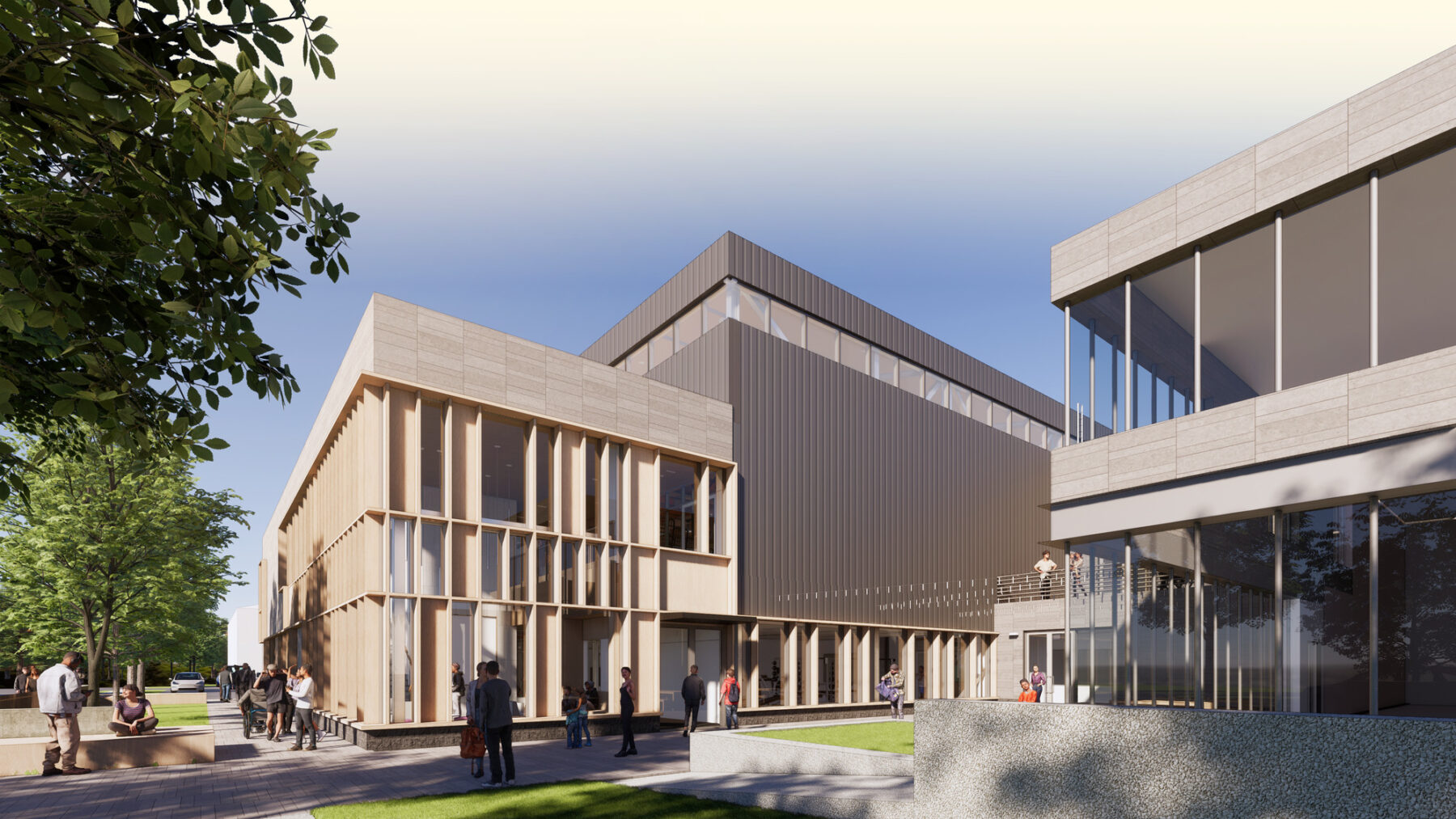
Brimmer and May School Recreation and Wellness Center
Every project begins with listening. Whether the goal is to improve classroom facilities, enhance recreation spaces, or restore a historic building, we begin by understanding how a campus functions and how it feels to those who inhabit it. Planning is about more than just logistics; it’s about prioritizing values. A strong planning process gives institutions a roadmap that aligns physical changes with financial investments. It helps answer critical questions: What should we renovate or replace? How do we create a more inclusive, accessible campus? Where can sustainability have the most impact?
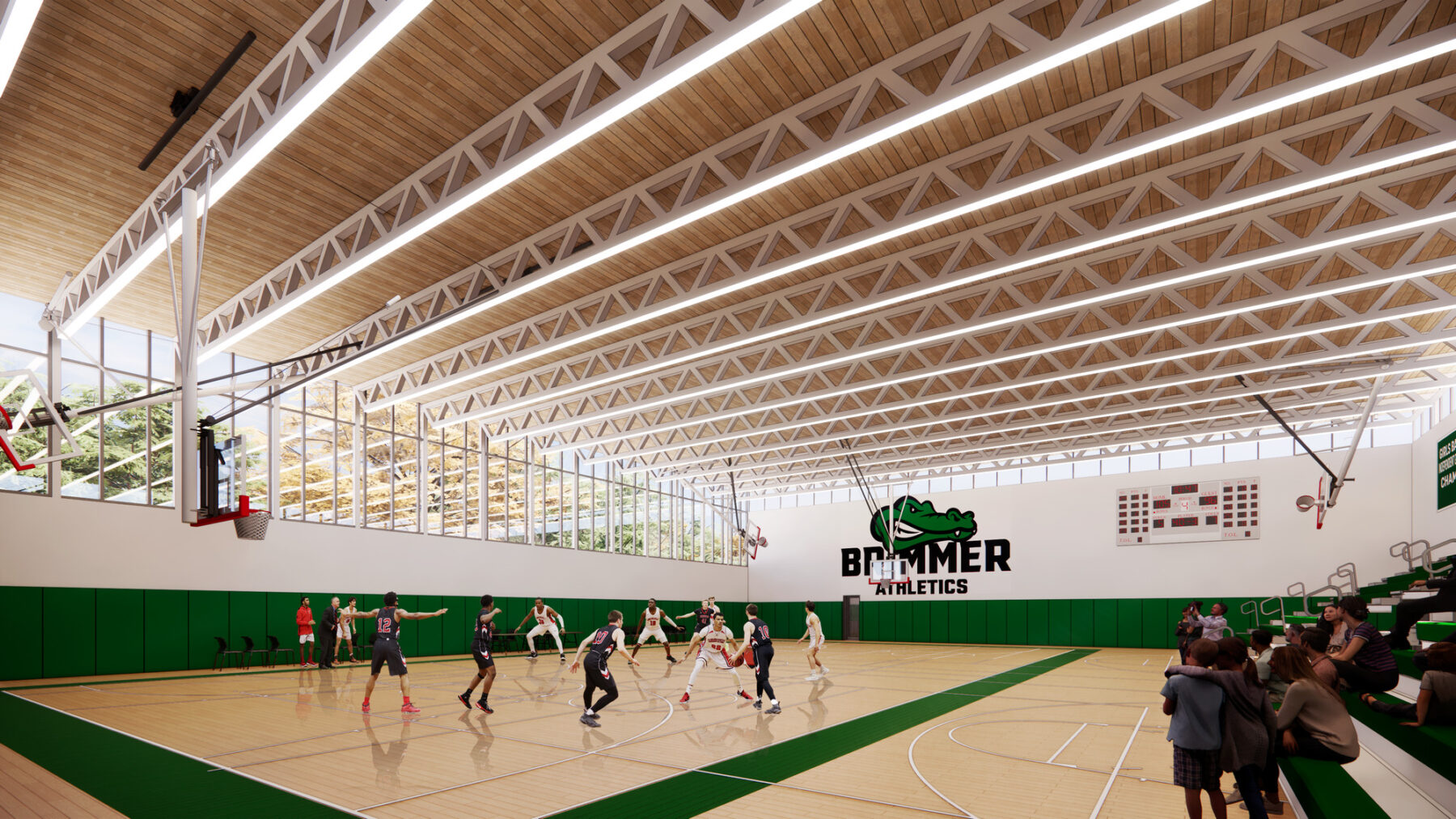
Brimmer and May School Recreation and Wellness Center
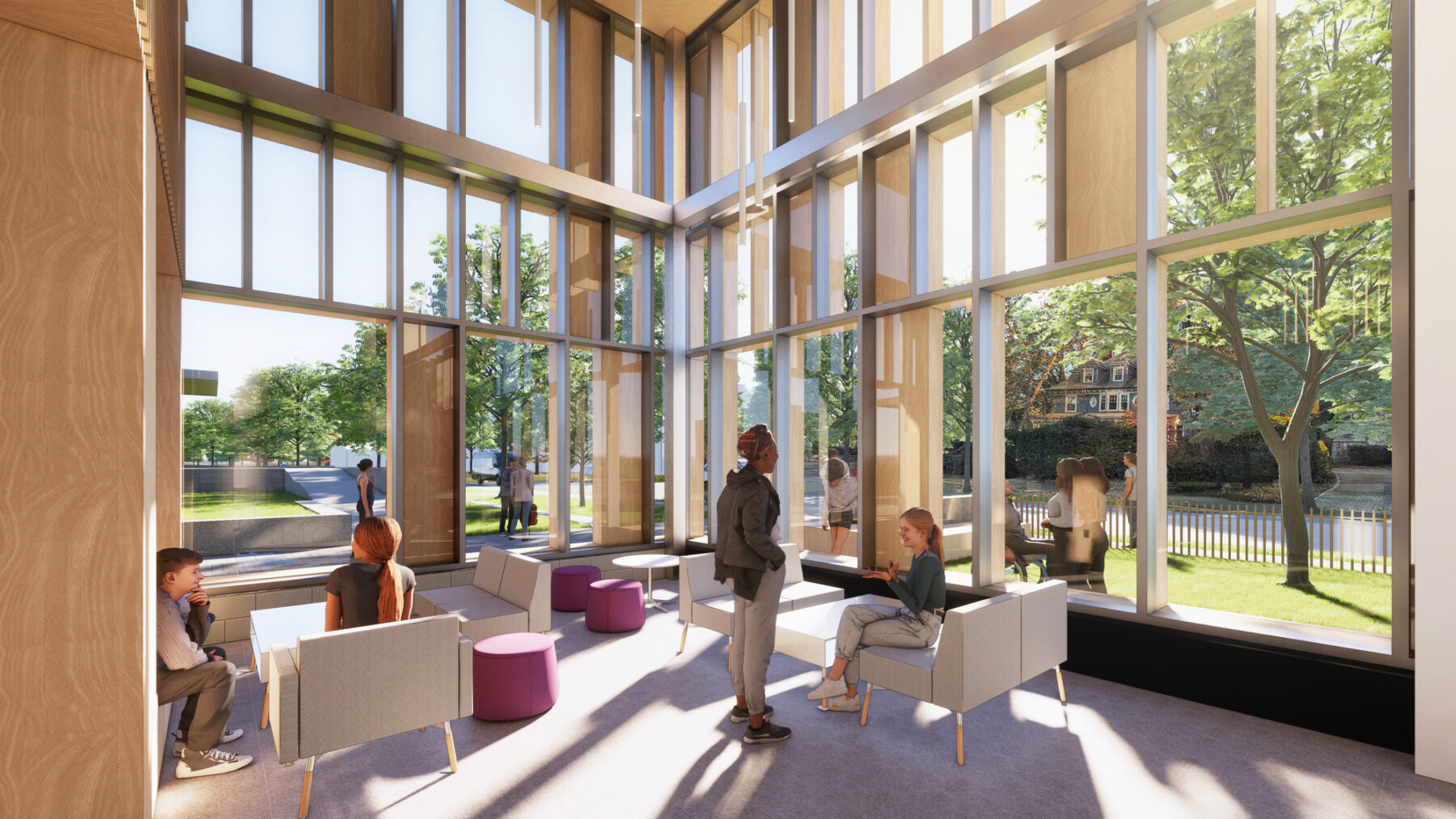
At Brimmer and May School in Newton, Massachusetts, Sasaki’s master plan laid the groundwork for a bold transformation of their athletics and wellness facilities. The new Recreation and Wellness Center is a direct outcome of this plan. The existing gymnasium was inadequate in size and poor condition; the master plan suggested synergies with other programs that did not take up much space on the tight site but amplified the project’s impact for the school. The new facility, which broke ground this spring, is more than just a building; it’s a hub for student wellness, interdisciplinary programming, and community life.
With a gymnasium, fitness center, space for afterschool programming, classrooms, and training spaces, the Center is a facility that reflects Brimmer and May’s commitment to whole-student development and community connection. It demonstrates how long-term planning can lead to investments that strengthen institutional identity while meeting evolving student needs.
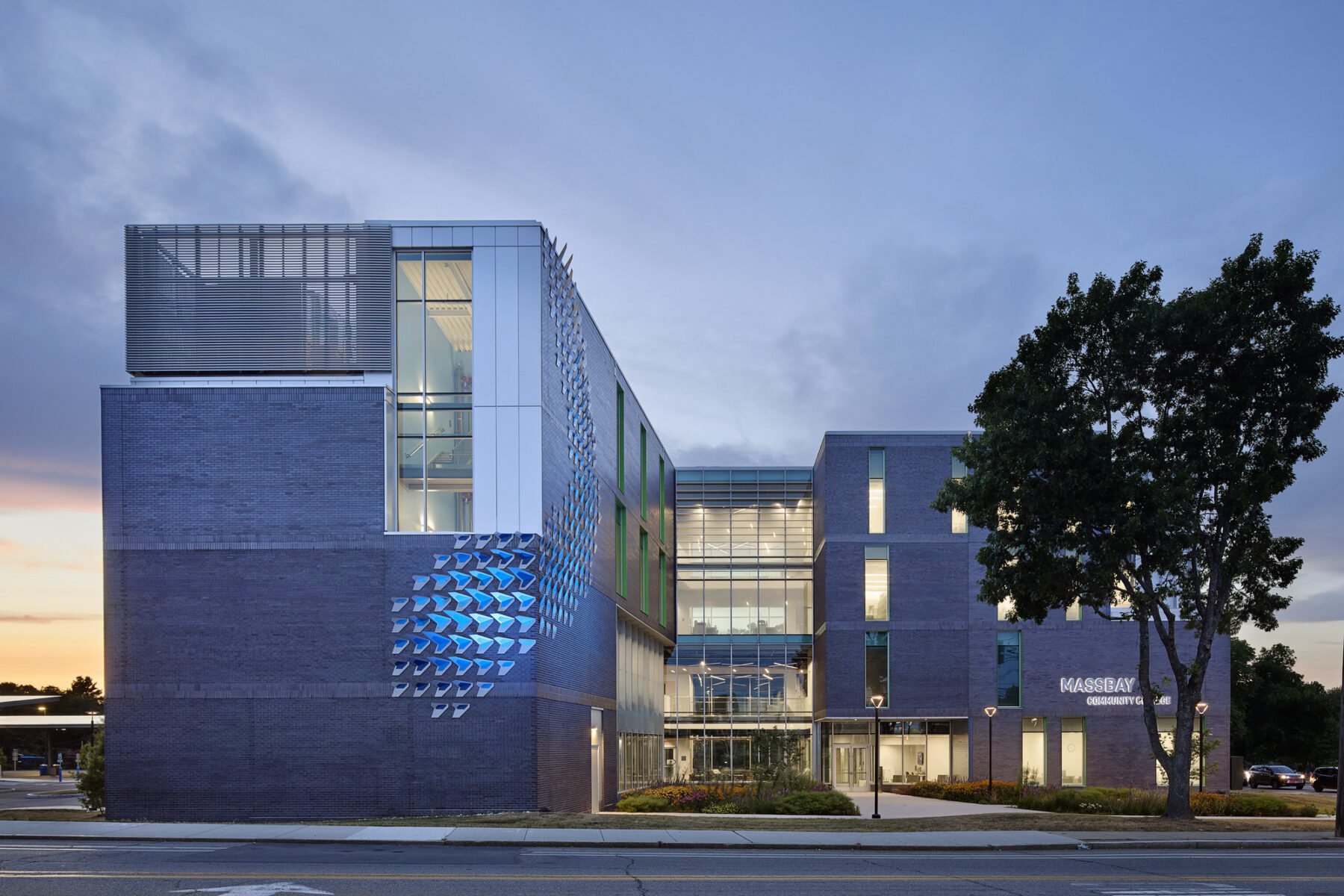
MassBay Community College Center for Health Sciences, Early Childhood, and Human Services
At Massachusetts Bay Community College, we’ve built a transformative project that establishes a new academic center and permanent campus in Framingham. Designed from the ground up, the project marks a significant milestone in MassBay’s mission to improve access to higher education, create opportunities for economic mobility, and meet the evolving needs of its students.
Most of MassBay’s student body commutes to campus, so this flagship facility merges classrooms, science labs, student services, and study areas with community gathering spaces into one integrated environment. The design focuses on flexibility and student success, with spaces tailored to support hybrid learning, workforce training, and wraparound support services. The project was also developed to meet aggressive sustainability goals, featuring net zero design, high-performance systems, and strategies to reduce embodied carbon.
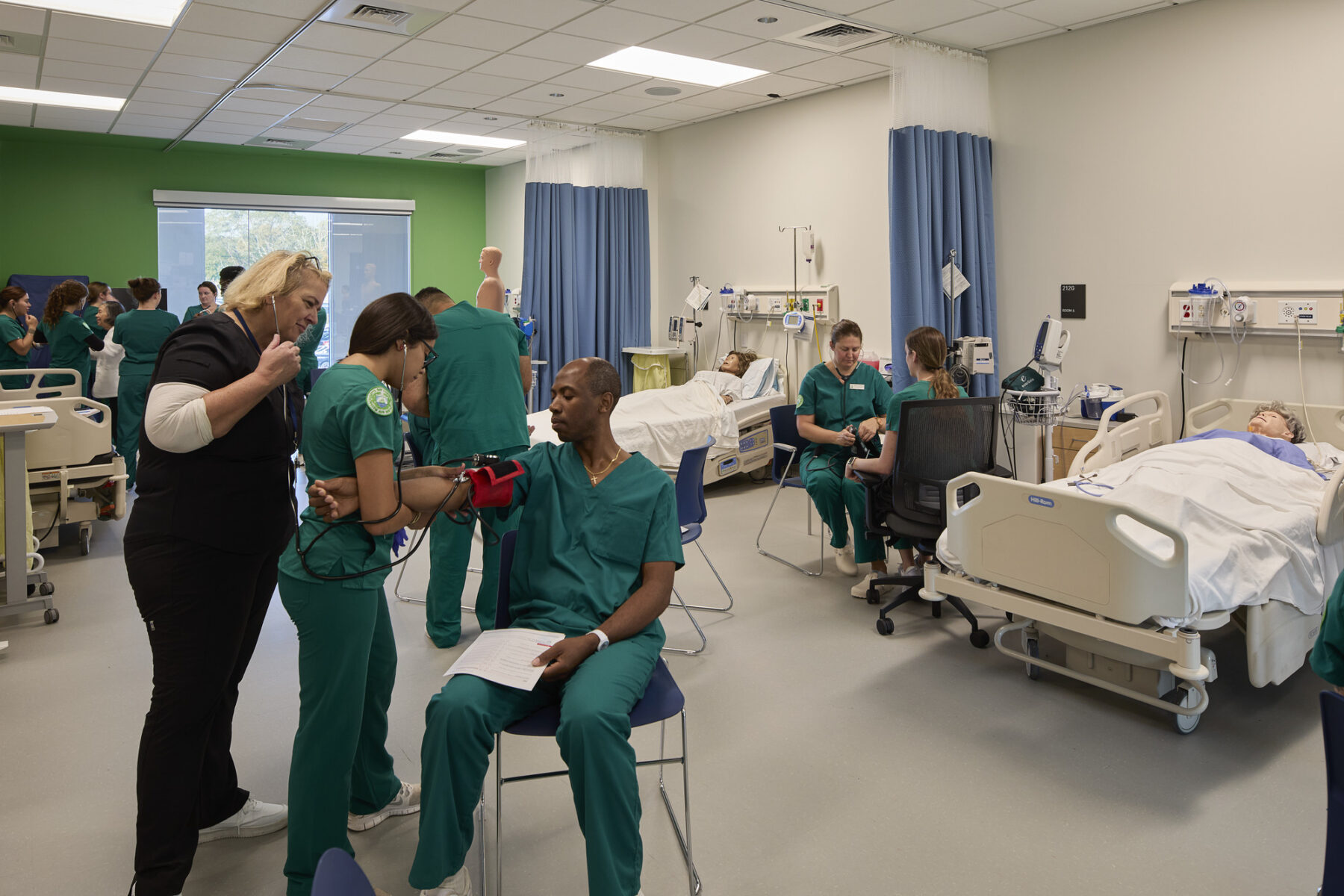
MassBay Community College Center for Health Sciences, Early Childhood, and Human Services
Rather than adapting legacy infrastructure, MassBay’s new campus represents a vision of what community colleges can be when inclusivity, innovation, and equity are embedded in every design decision. The programs’ previous facility did not encourage cross-disciplinary synergies, and Sasaki’s collaborating architect, Studio ENÉE, led an extensive programming process to right-size the new building. The result is more than a relocation; it’s a redefinition of what a 21st-century learning environment looks like—one that serves not just students, but the entire region. This kind of forward-thinking campus planning underscores how design can serve as both an anchor and a catalyst: creating spaces that are welcoming, adaptable, and aligned with long-term institutional and societal goals.
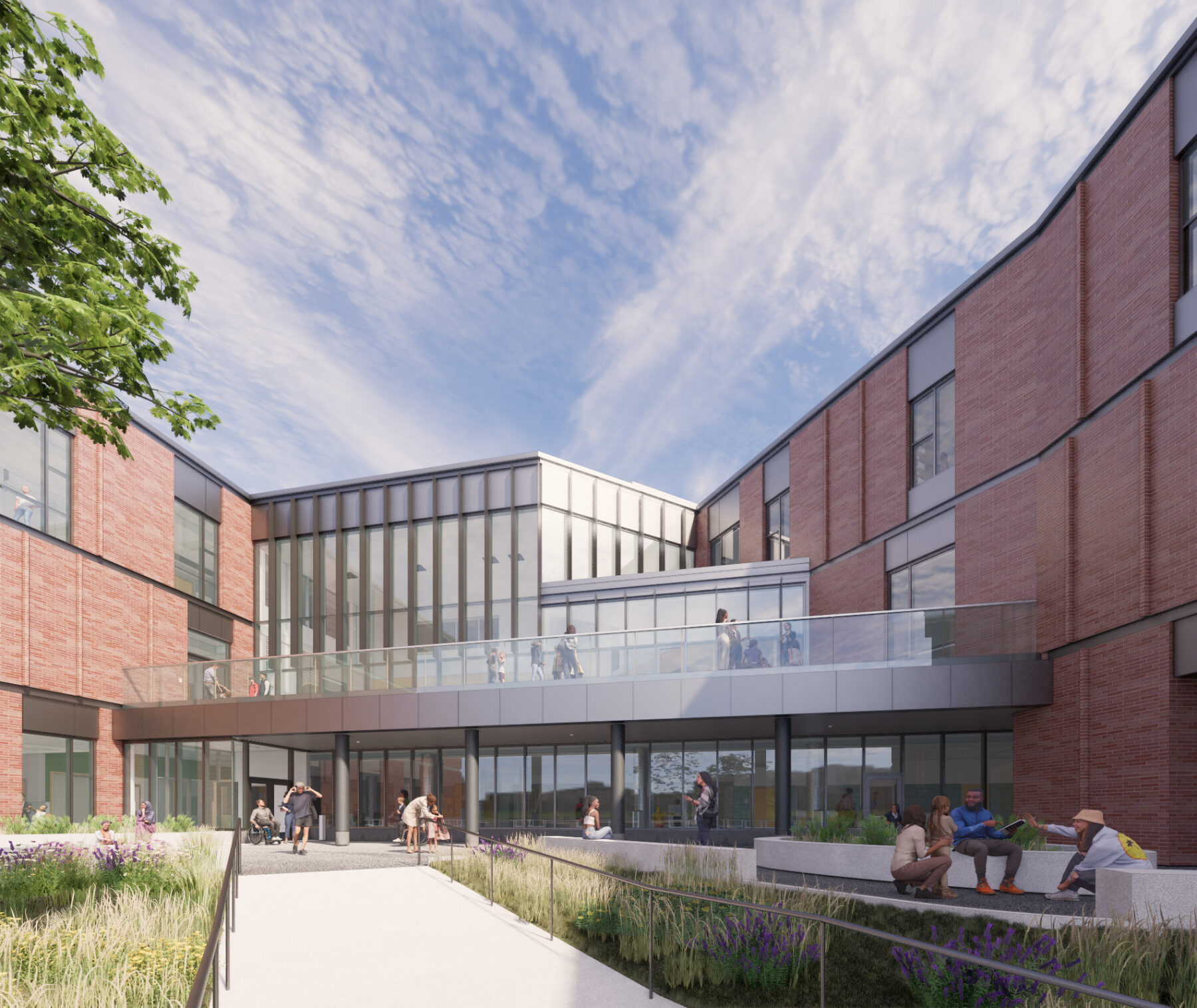
Sasaki is working with the John Pierce School in Brookline, MA on a new PreK-8 facility.
For the John Pierce School in Brookline, we’re collaborating with MDS Architects to design a new PreK–8 facility that reflects the values of a diverse, forward-thinking community. Located on a complex, sloped urban site, the project had to balance multiple priorities: accessibility, educational innovation, carbon neutrality, and civic presence.
The result is a school that weaves together history and modernity. A new three-story structure connects to the historic 1855/1904 school building, forming a unified campus organized around “building blocks” that support grade-level clusters and child-scaled environments. Universal access is achieved through a “green ramp” that threads through the site, creating new connections between playgrounds, gardens, and learning spaces.
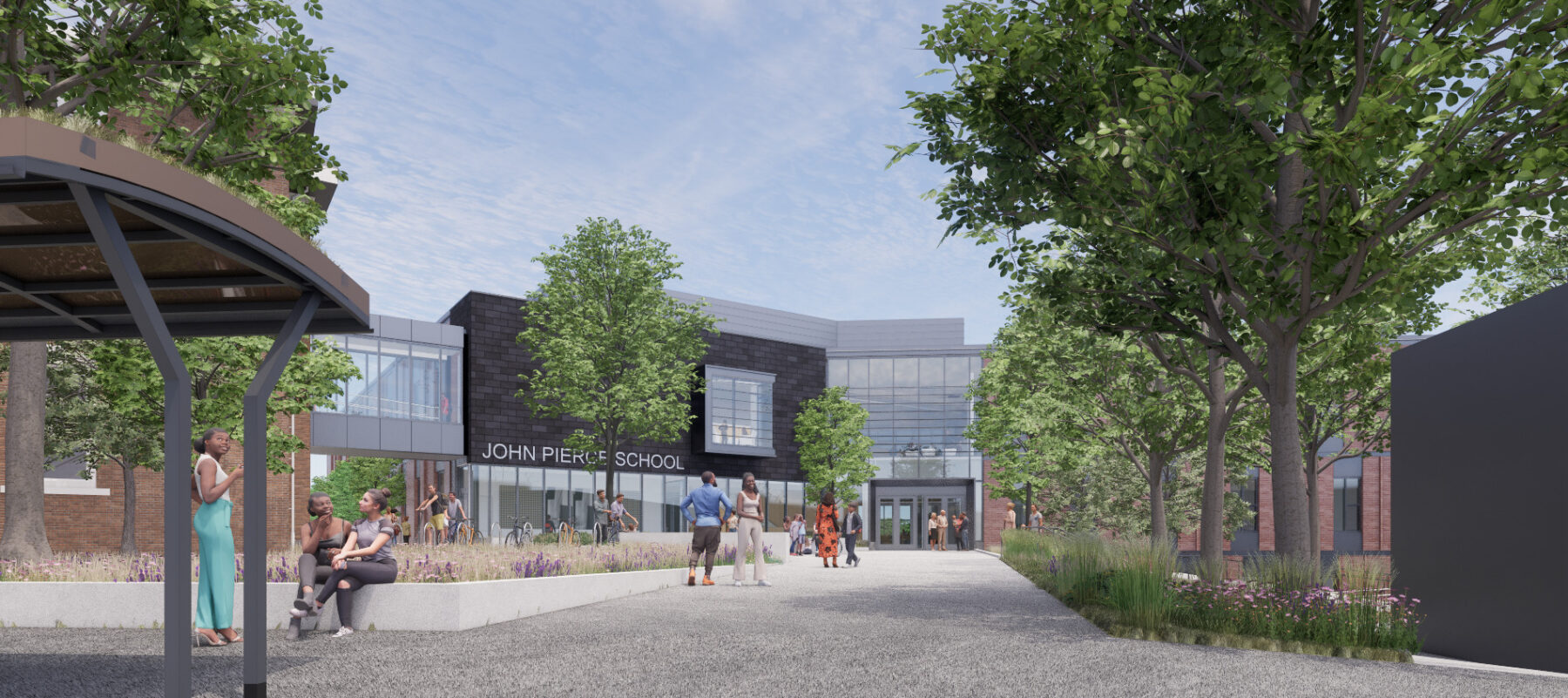
Sasaki is working with the John Pierce School in Brookline, MA on a new PreK-8 facility.
Sustainability was integral to every design move. Energy modeling, embodied carbon analysis, daylight and shadow studies, and thermal comfort modeling all shaped the building’s form and material choices. The school is planned to be fossil fuel-free and aligned with Brookline’s climate goals for 2050. Importantly, it also supports flexible use of space, accommodating extended learning hours, after-school programs, and community events so that the school continues to serve as a civic anchor well beyond the school day.
One of the most fulfilling aspects of my work at Sasaki is the seamless collaboration between architecture, landscape architecture, and planning. Our projects are not conceived in silos. They are shaped by shared ideas, tested through iteration, and refined in dialogue with our clients and their communities.
Whether building a more sustainable campus, designing a student wellness center, or creating a new urban school, we take a holistic approach. This ensures that buildings relate to their landscapes, that indoor and outdoor environments complement one another, and that circulation is intuitive and inclusive. It also ensures that every design choice reinforces the broader goals of the institution.
This integrated model is especially critical as campuses evolve to address climate change, demographic shifts, and new modes of learning. Today’s students expect campuses that are not only functional and beautiful, but also inclusive, sustainable, and deeply connected to place. And that’s exactly what we strive to deliver.
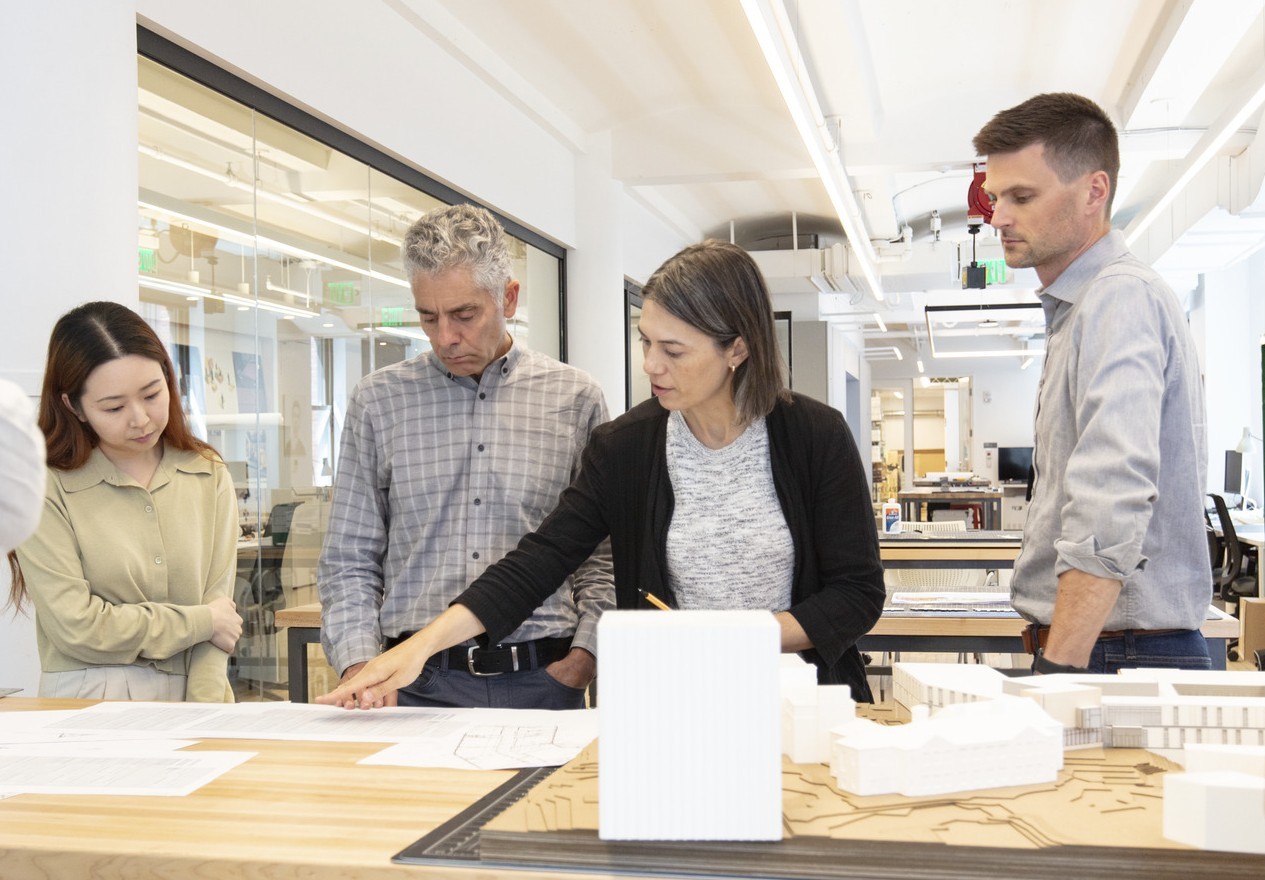
The design team meets to discuss the model of the John Pierce School’s new PreK-8 facility in Brookline.
The education sector is in a period of transition, shaped by technological innovation, social transformation, and environmental urgency. But change also brings possibility. At Sasaki, we believe that thoughtful planning and design can empower educational institutions to embrace this moment, turning challenges into opportunities for reinvention.
I see institutions asking the right questions, pushing for impact, and investing in places that uplift people. I see communities coming together to shape spaces that reflect their values and aspirations. And I see design as a powerful tool—not just for creating buildings, but for creating the conditions in which people learn, grow, and thrive.
In a changing educational landscape, adaptable and creative design isn’t just a luxury. It’s a necessity. With vision, collaboration, and a commitment to equity and sustainability, we can help campuses become what they’ve always aspired to be: places of possibility.