推动社区在设计规划中的角色演变
Sasaki 城市设计师 Sudeshna Su 和规划师 Felicia Jiang 在全美年度规划研讨会中探讨如何在设计中融入更多元的声音
 Sasaki
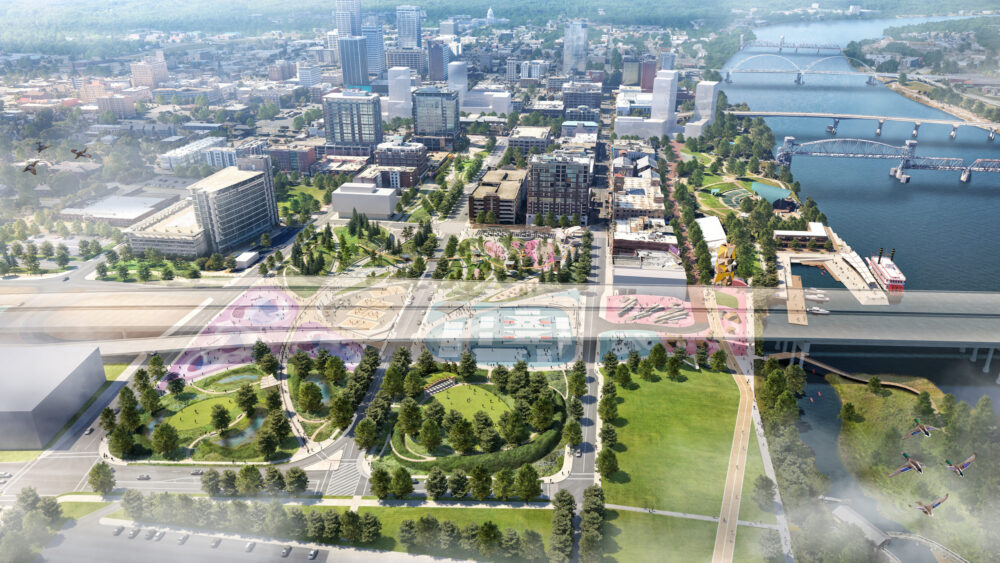
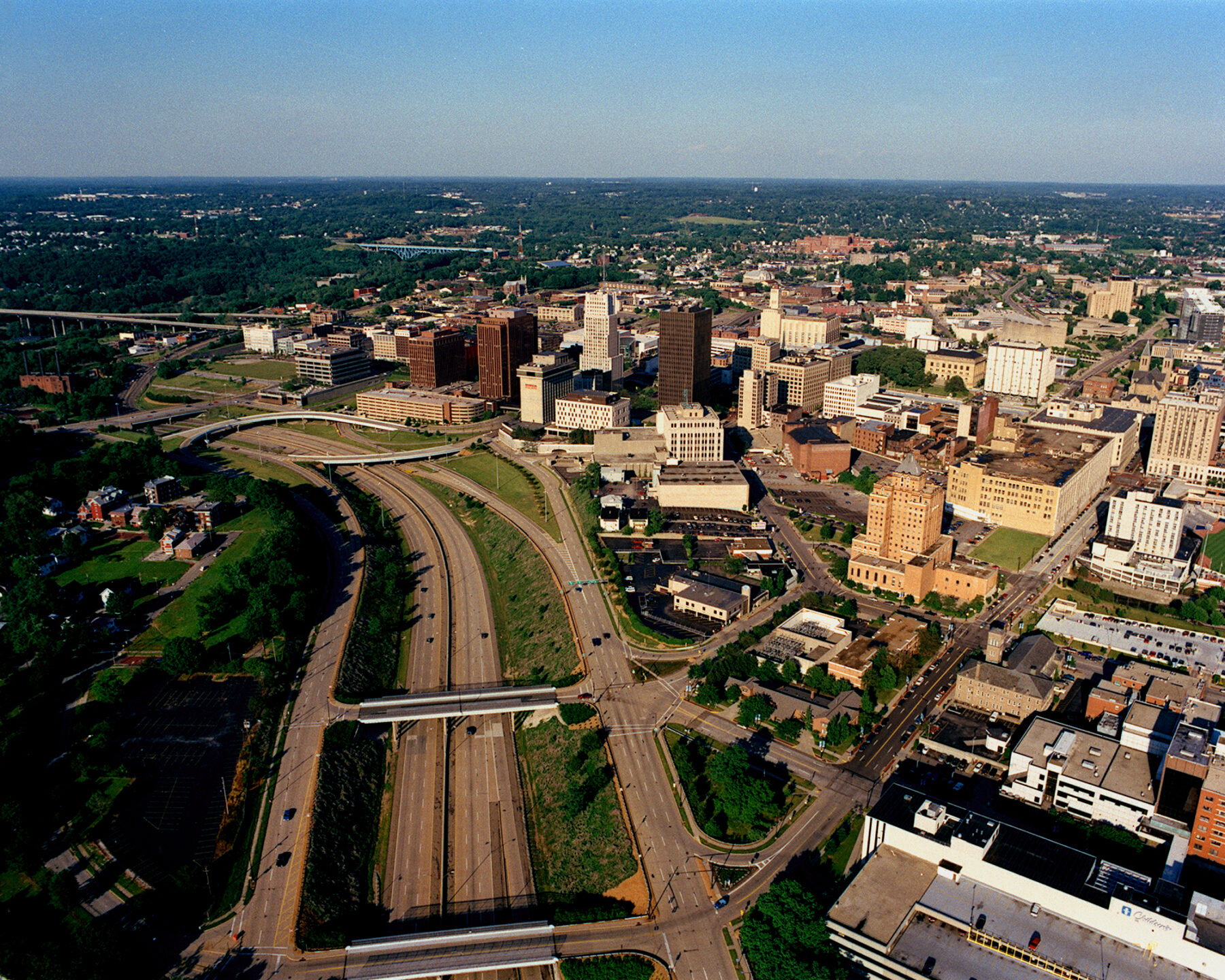
The Innerbelt is a 4-mile, partially decommissioned highway that cuts through the center of Akron, Ohio. Its construction, which lasted from 1970 to 1985, displaced over 700 homes and 100 businesses, erased the city’s former Black main street along Wooster Avenue, severed community ties, and inflicted lasting harm particularly to the city’s Black community. The highway, along with Urban Renewal and “redlining,” is a legacy of discriminatory 20th-century urban development practices – a legacy that the Innerbelt Master Plan aims to address.
Funded by a U.S. Department of Transportation “Reconnecting Communities and Neighborhoods” grant, the City of Akron selected Sasaki to lead the development of the Master Plan, which focuses on the future of the land under the Innerbelt and its broader impact area. The project included a robust team of subconsultants, including transportation and infrastructure, engagement and community development, urban design support, as well as Akron-based community coordinators Carla Davis and Ebony Hill. The Master Plan aims to repair the highway’s historic harm in all of its facets – reconnecting neighborhoods, generating inclusive economic development, creating wealth building opportunities for residents, memorializing the past, and celebrating the city’s future potential.
The Master Plan is a product of an intensive, 12-month engagement process that brought together over 1000 residents and over 40 locally based organizations. Mindful of repeating the mistakes of top-down planning approaches of the past, the Master Plan looked to the community for guiding principles, core strategies, and specific design ideas, resulting in a plan co-created with the community.
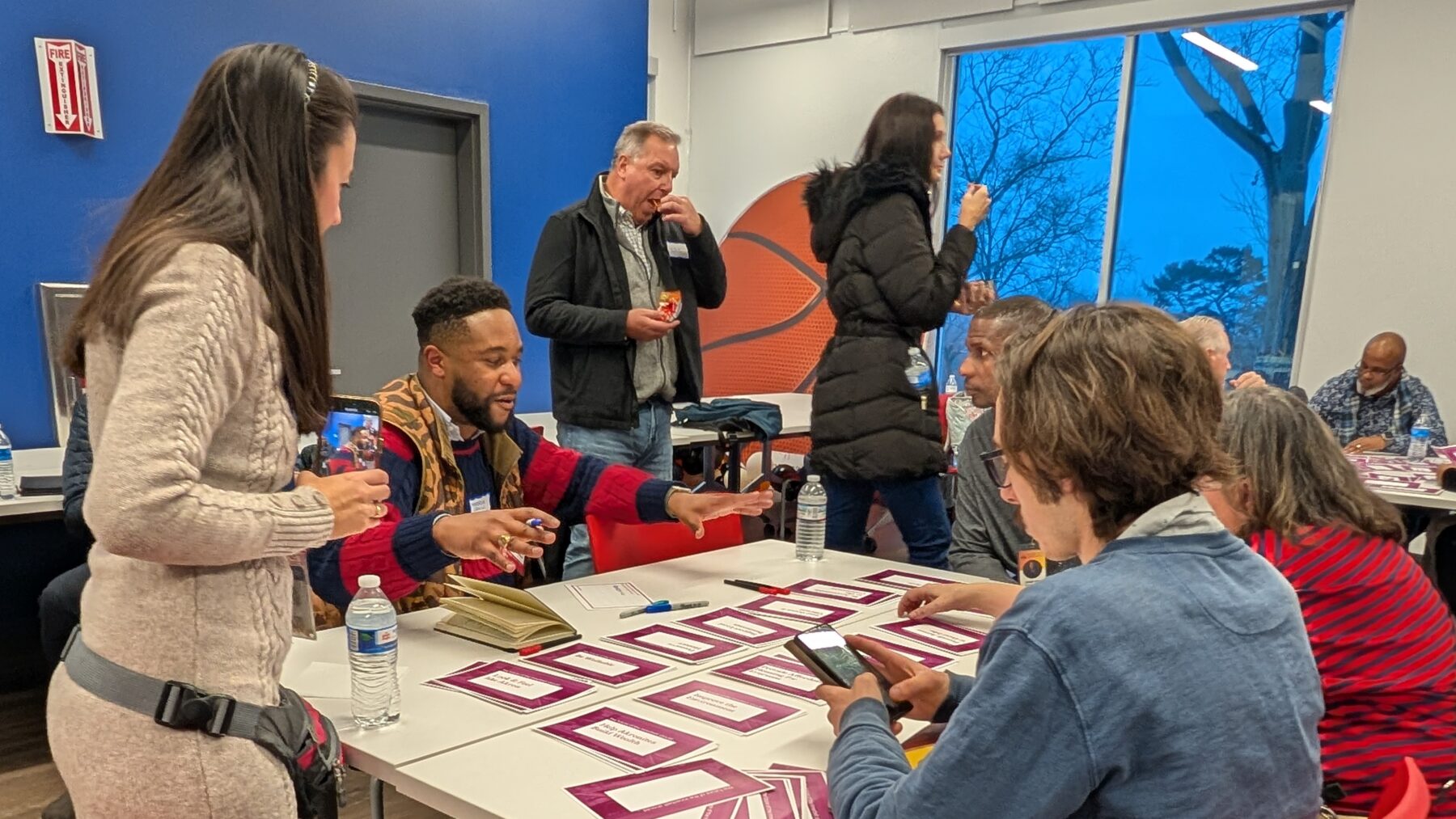
To do this, the Sasaki team employed a multi-layered engagement approach that combined broad participation with targeted listening. Unfolding through 4 distinct engagement “sprints,” the process included large events, digital activities, one-on-one meetings, and intimate meals and conversations facilitated by Akron-based community coordinators. Community members weighed in on all aspects of the plan, from the location of key amenities in the site to conversations around what true affordability means for Akron residents. Through open houses, ice cream socials, and walking tours, community members engaged with the project in a variety of approachable formats. Sasaki also collaborated with an Innerbelt Advisory Group of local leaders to shepherd the process, and undertook creative communication efforts to make the process transparent and accessible.
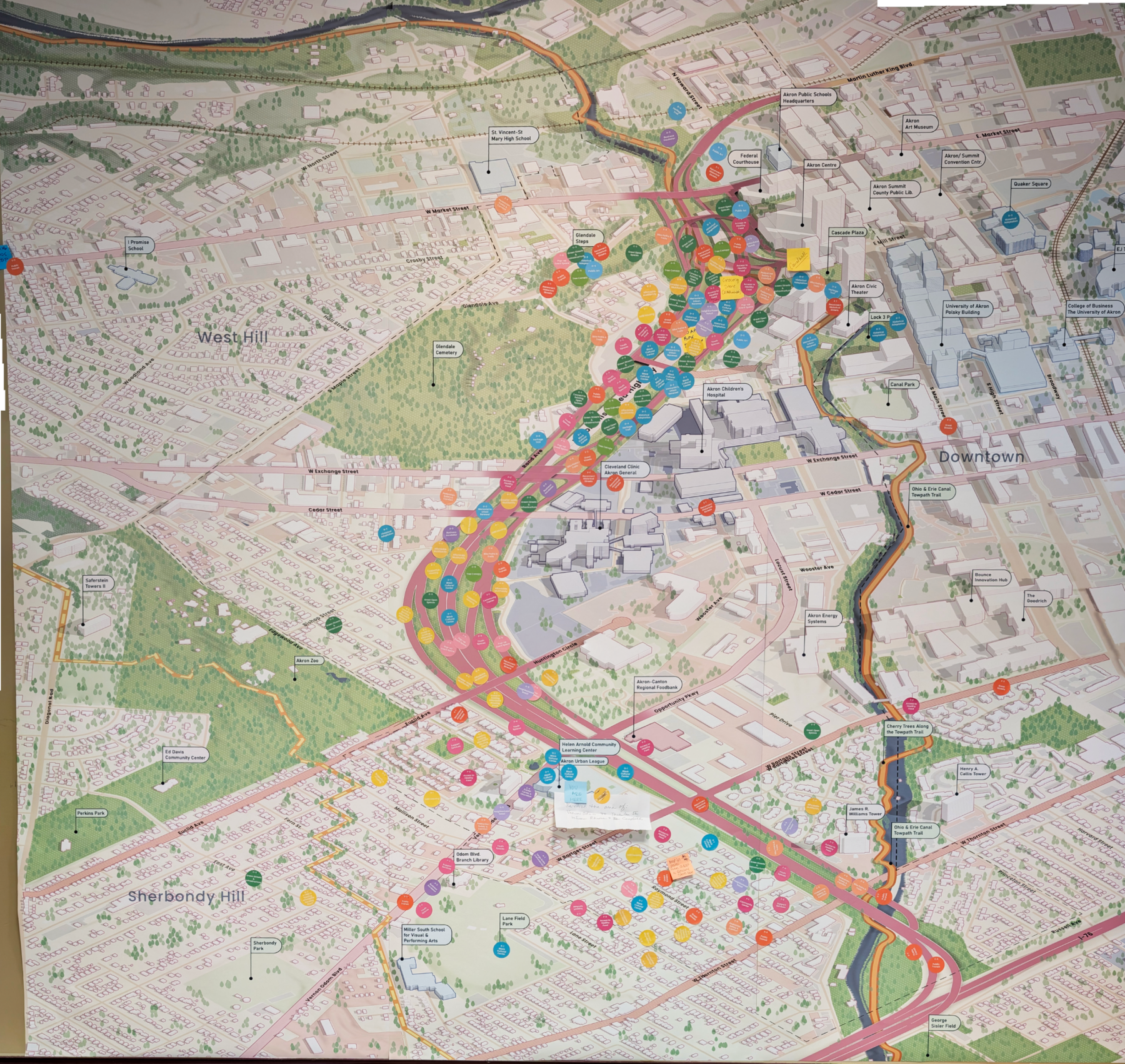
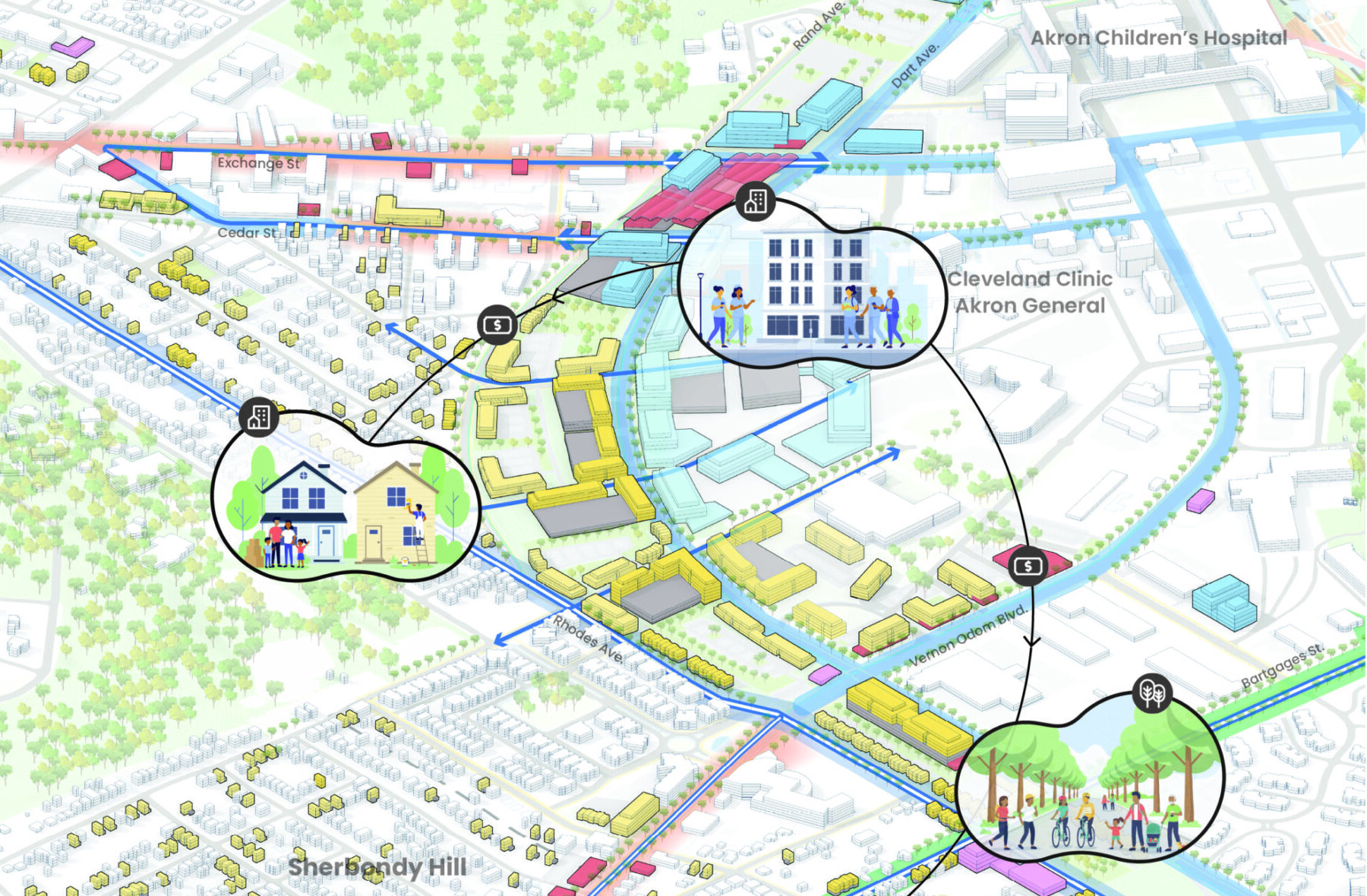
The ambition of the Innerbelt Master Plan is to address not only the physical impact of the Innerbelt, but also its economic, social, and psychological harms, particularly to Akron’s Black community. To do so, the Master Plan outlines a comprehensive reparative program that encompasses the economy, housing, mobility, environment, history & culture, community wellbeing, and community power. The plan proposes a series of spatial projects, social impact tools, and implementation frameworks that work together to address the concerns of Akron residents
This program of holistic repair guides the creative and strategic use of infrastructure, policy, and financial tools. For example, multimodal and Complete Streets improvements to key cross streets are paired with small business support tools to reconnect neighborhoods and revitalize former community hubs. Infill housing development in Innerbelt-adjacent neighborhoods are paired with anti-displacement strategies and policy changes to support re-investment in the existing housing stock.
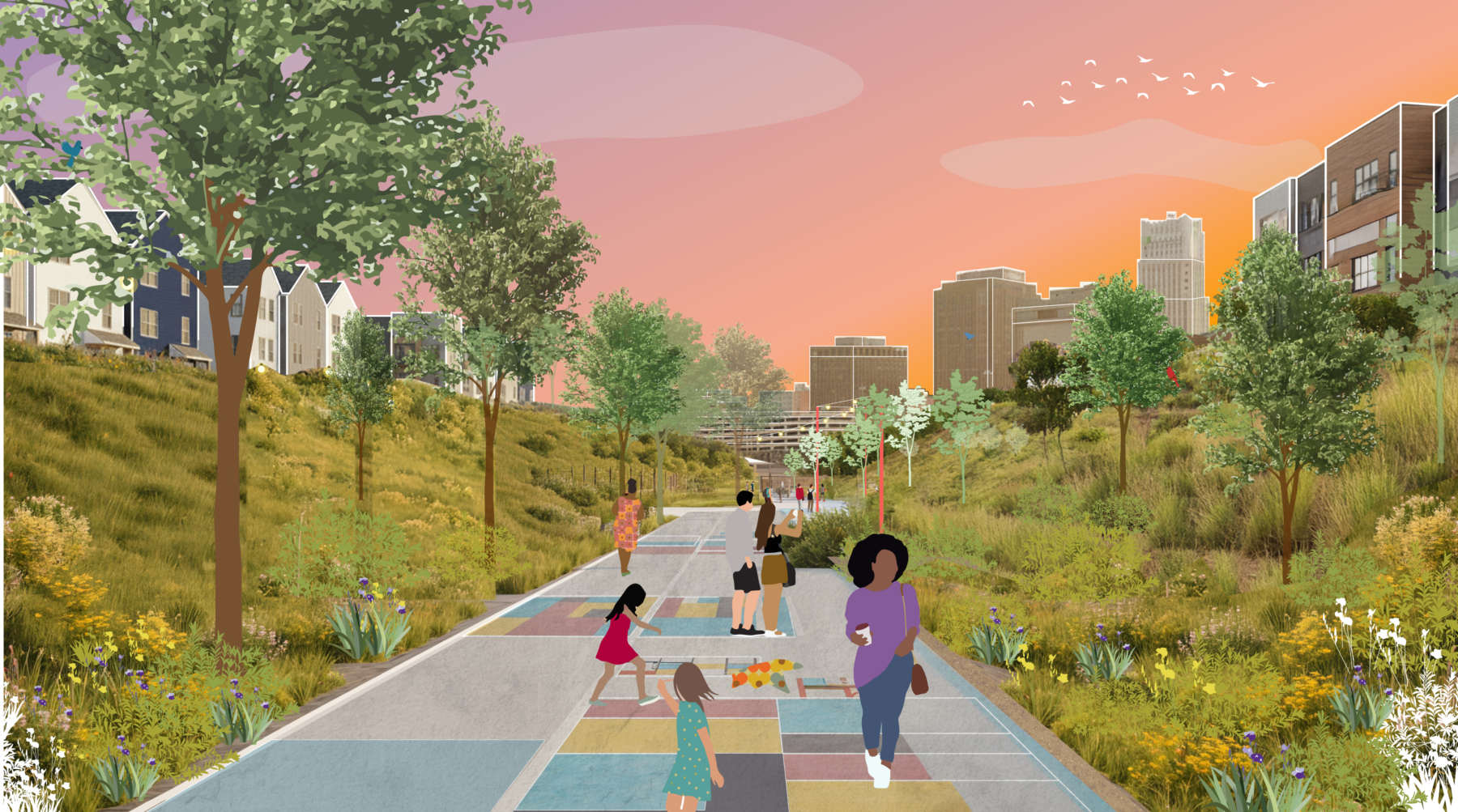
Sasaki’s design resulted in a vision for the Innerbelt area that’s more than just the physical space. It shows how multimodal improvements and urban infill development, combined with tools like the Community Investment Fund and Community Land Trusts (CLTs), can repair the Innerbelt’s harms across physical, economic, social, and cultural dimensions.
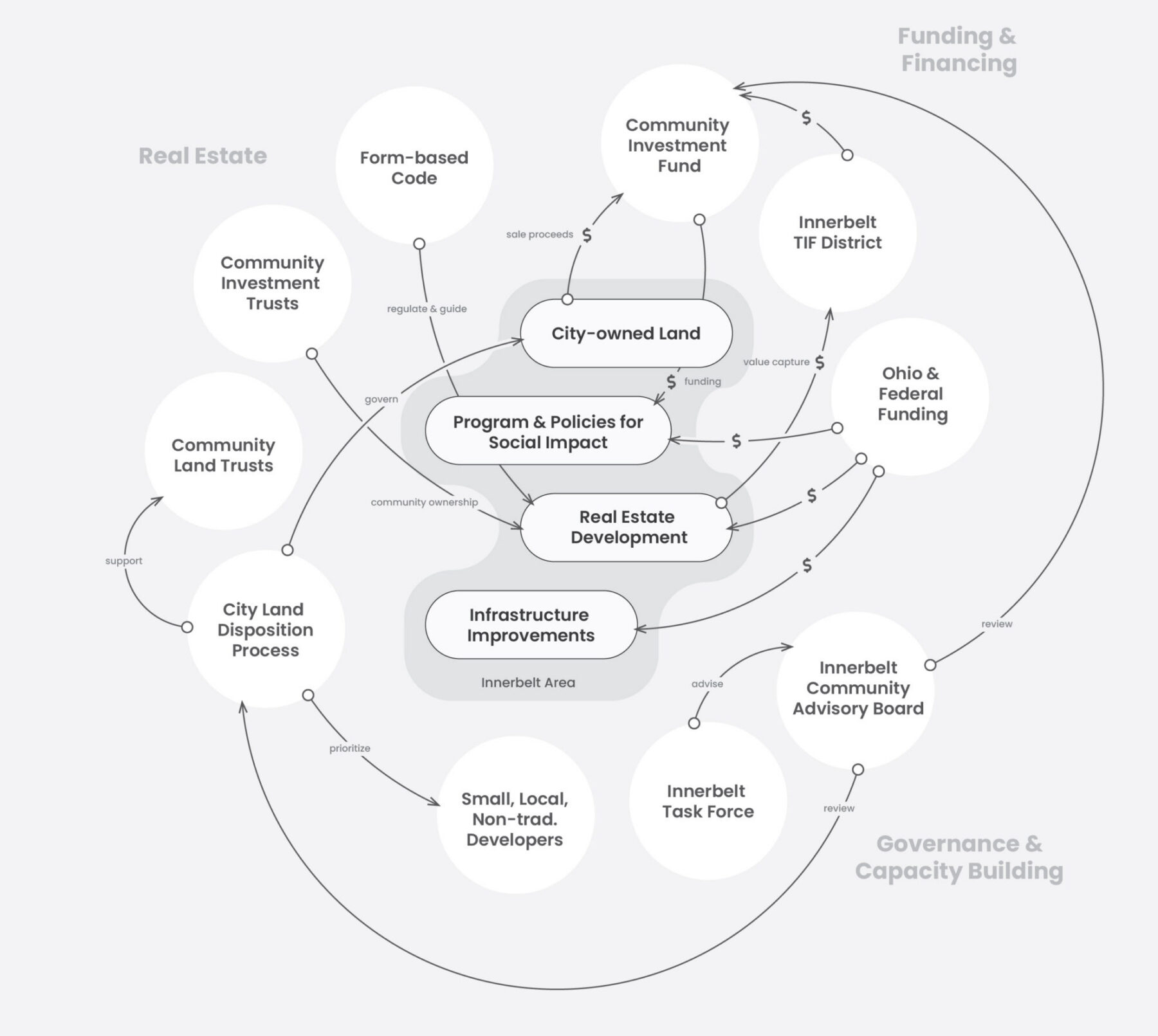
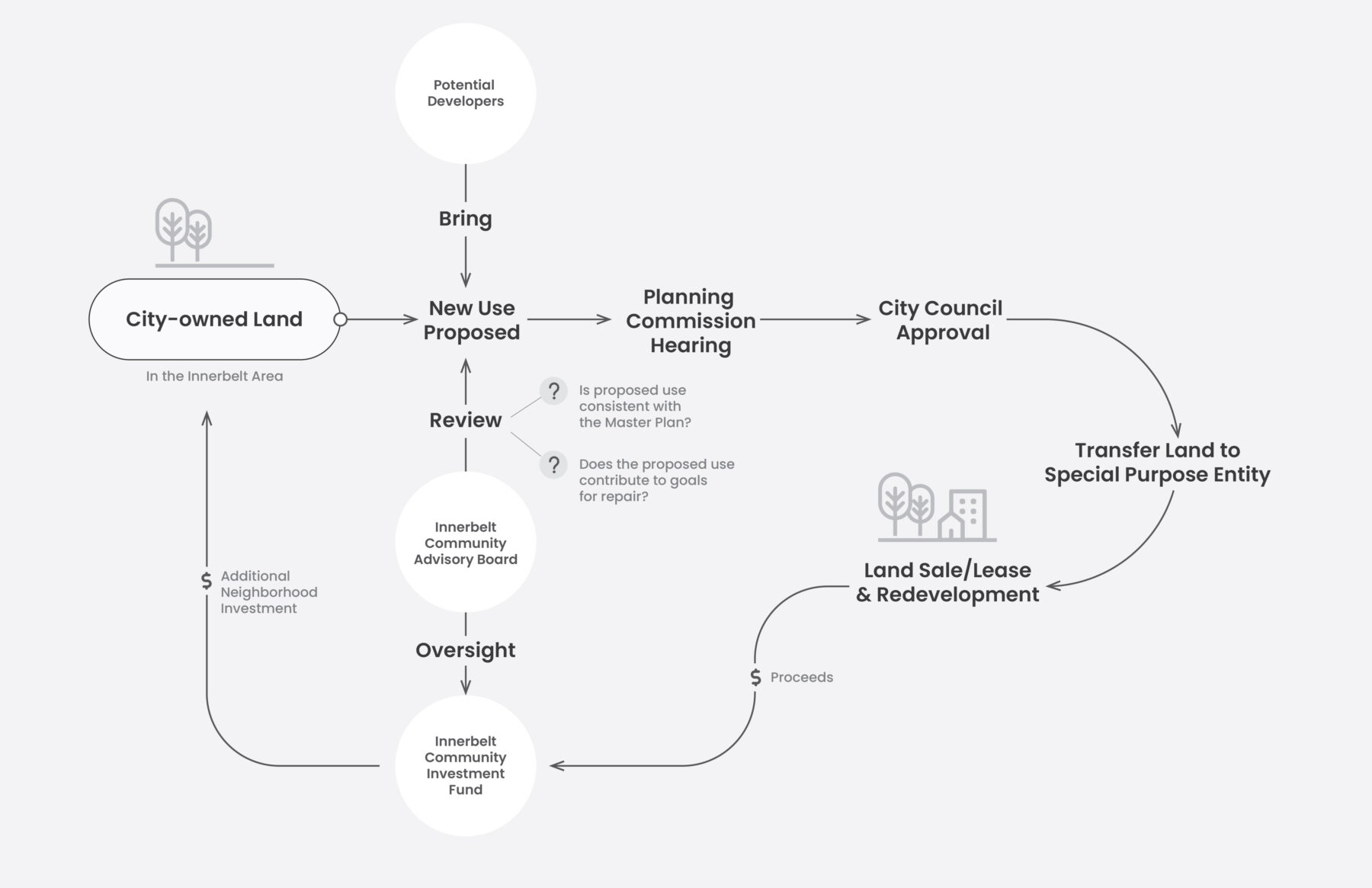
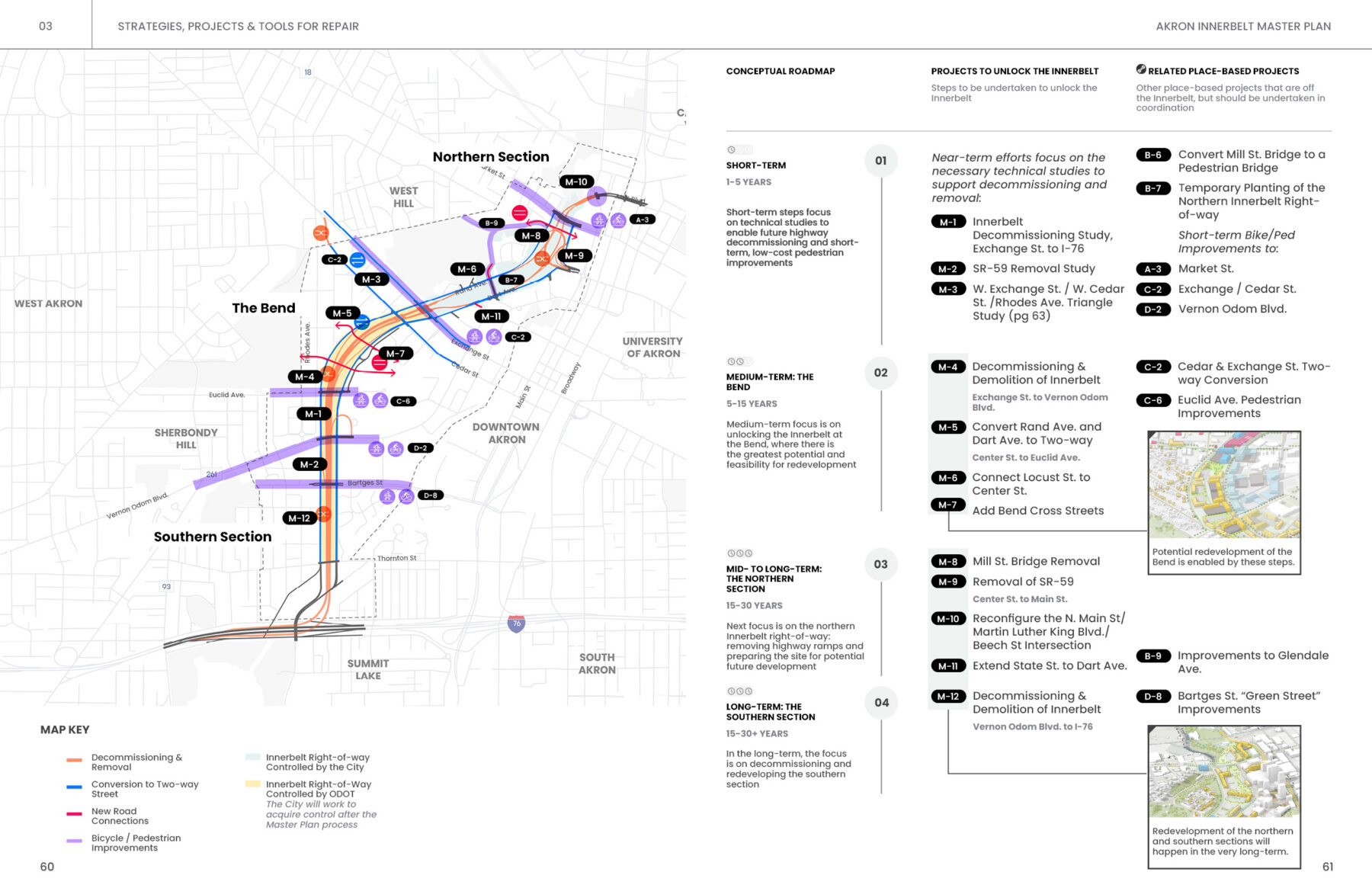
Undoing the Innerbelt is a multi-decade undertaking. To ensure its success, the Master Plan focuses on giving the City and the community practical tools and resources to ensure its long-term implementation and stewardship. The 30-year redevelopment vision is broken down into a prioritized roadmap of discrete infrastructure and development projects, intended to be undertaken incrementally. Recommendations for form-based zoning and enhanced community oversight over public land disposition further ensure that future development adheres to the spirit of the Master Plan.
By developing clear principles for long-term governance, the Master Plan will remain active and dynamic rather than a document on the shelf, equipping Akron with the resources to fulfill the promises of community-led repair over the coming decades.
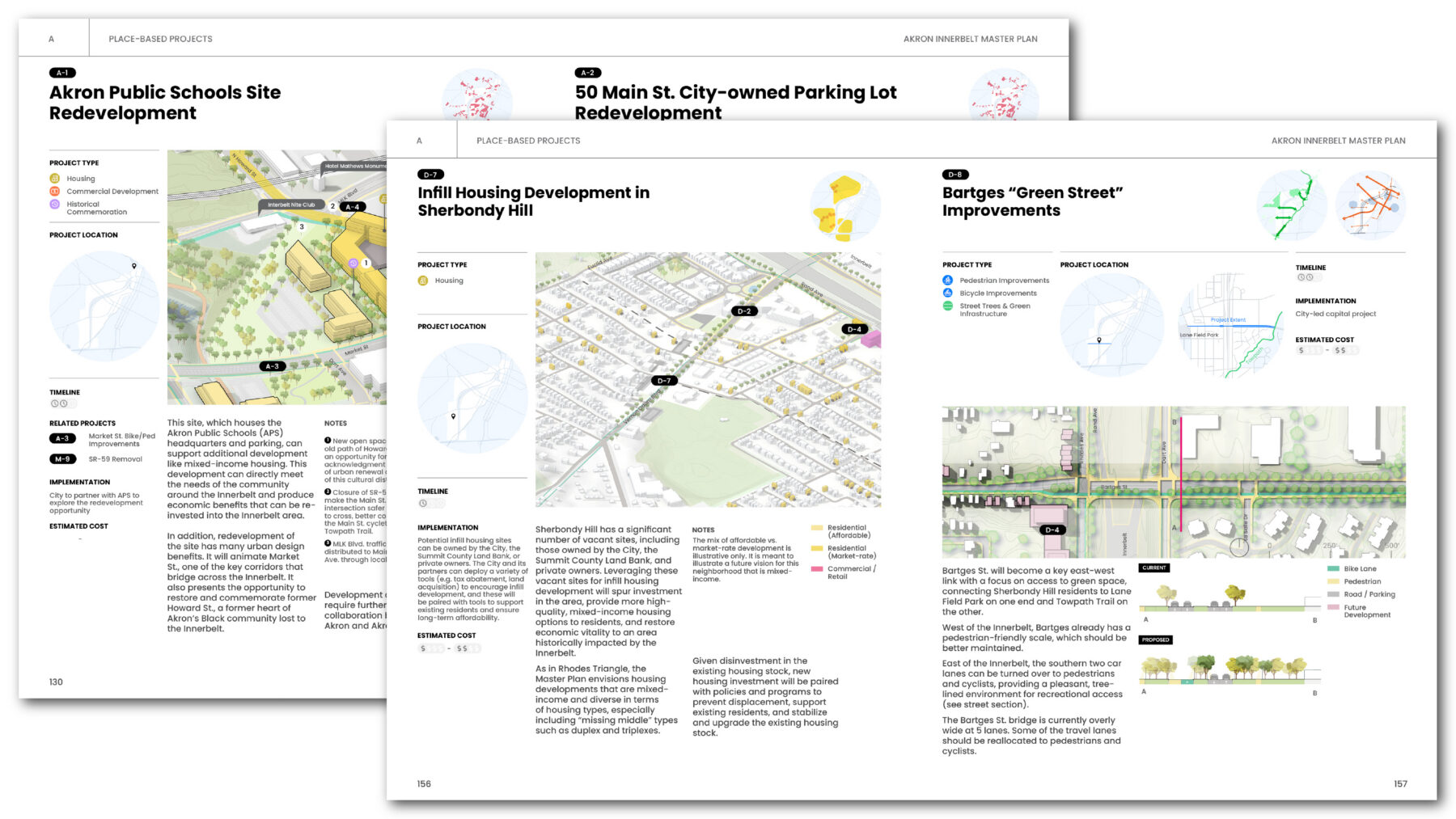
The Master Plan is broken down into an implementation-oriented, prioritized roadmap of infrastructure and development projects, paired with policy and funding tools
想了解更多项目细节,请联系 Siqi Zhu或Martin Zogran.