University of Pittsburgh Campus Master Plan
Pittsburgh, PA
 Sasaki
Campuses reflect the core values of institutions, giving shape to environments that inspire learning, growth, and intellectual exchange. As universities face changing trends in enrollment and pedagogy, campuses follow suit, adapting their structures and landscapes to meet evolving demands. But not all change must—or even should—be solved with new construction. Right-sizing can bring out the best of a campus’s existing resources and bring attention to deferred maintenance and repositioning projects, all while reducing carbon impact and costs.
In the United States, universities and colleges across scales and types are reimagining their spaces in order to address the priorities of the present and position their campuses for the future. Through focused usage analyses informed by research and close collaboration, Sasaki has developed learning space plans for a range of institutions, each tailored to their diverse needs and mission.
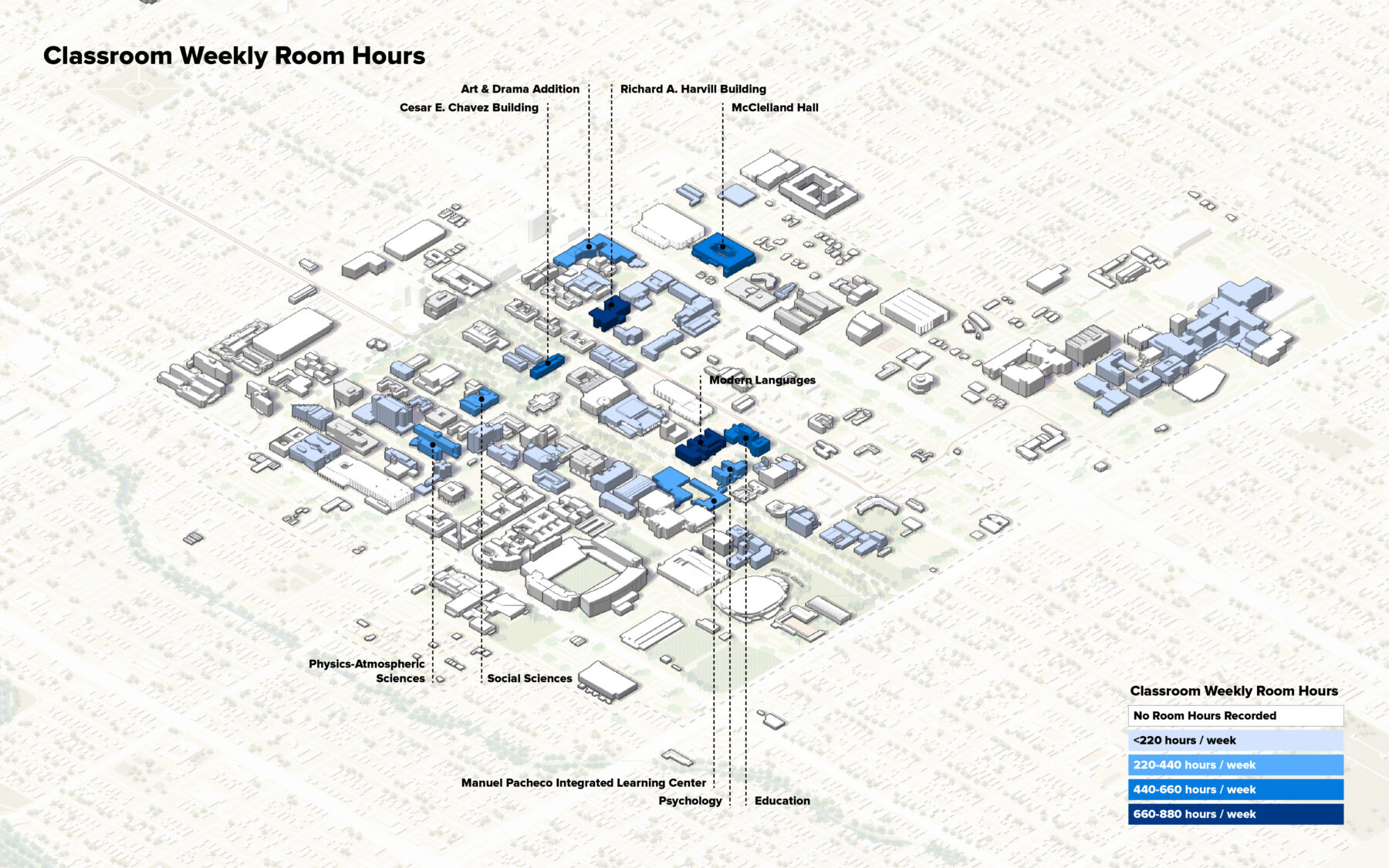
Learning space usage analyses showed that some of the most heavily used classrooms in the campus core were also in buildings with significant deferred maintenance issues.
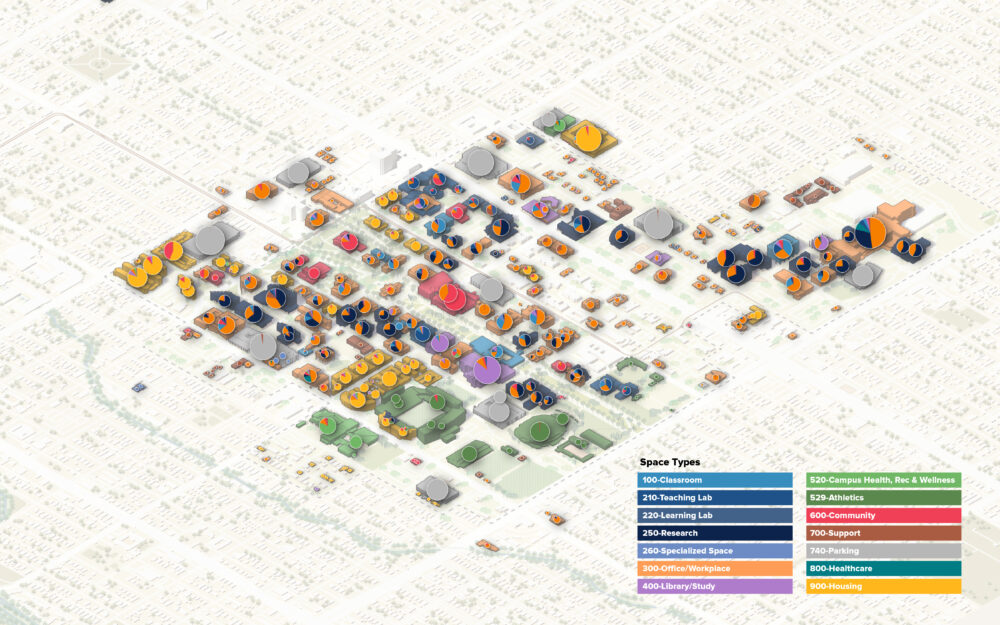
At the University of Arizona, Sasaki conducted a comprehensive space study that spanned the Tucson-based campus, evaluating existing space use while analyzing growth trends to develop a series of targeted recommendations and accommodation strategies. With nearly 11 million square feet of assignable space across both the main campus and the Arizona Health Sciences Center, the university has a substantial footprint to optimize.
Faced with the challenge of aligning building condition issues with programmatic priorities across a sprawling campus, Sasaki conducted extensive data-driven research to build a comprehensive understanding of the varied, intersecting needs across the university. “The issue of scale in this project was quite unique,” said principal-in-charge Tyler Patrick. “We had to consider breadth, but also depth, going down to room-level investigations and strategies.” Analyses of deferred maintenance data were used to create a series of map overlays to understand the relationship between datasets.
The project team conducted a series of wide-reaching surveys on usage patterns which revealed collaborative learning spaces, rather than traditional classrooms, had consistently higher utilization rates. Collaborative learning spaces typically feature multiple screens, moveable furniture, and lack a clear “front” of the room, helping instructors facilitate more interactive modes of teaching. The plan outlines recommendations for scheduling practices and faculty training sessions to help instructors align their teaching strategies with these flexible rooms types, maximizing the use of existing resources.
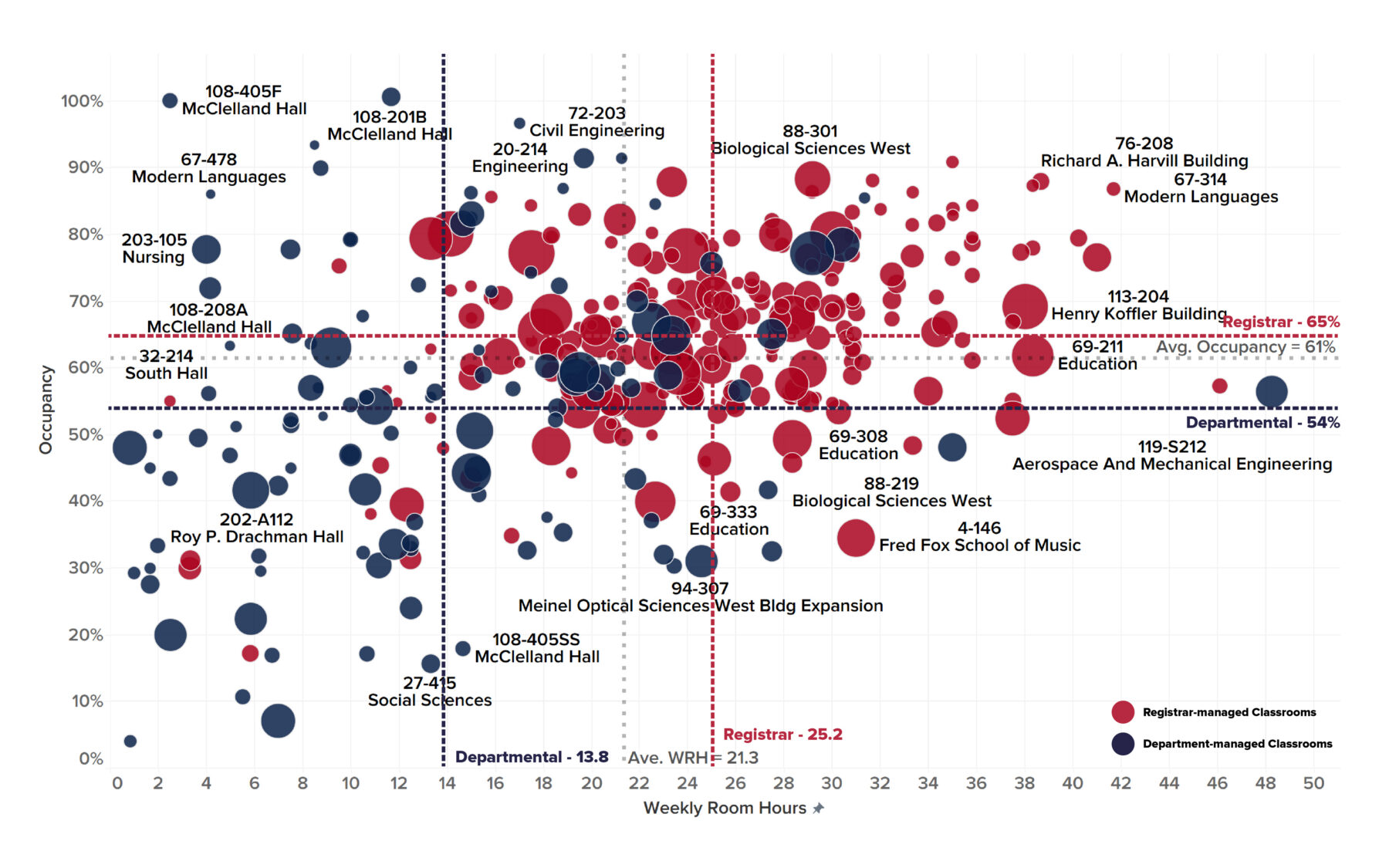
Usage data sorted by classroom ownership reveals a disparity in classroom utilization between Registrar-managed rooms and department-managed rooms. These findings help identify opportunities for enhancing efficiency, such as transitioning more rooms to fall under the purview of the Registrar.
To meet the growth of interdisciplinary research in health sciences, engineering, computation, and digital humanities, the Sasaki team identified a need for investment in collaborative research spaces. The plan also charts out a set of best practices for using and managing shared spaces to help cultivate a culture of collaboration and common understanding across UA’s diverse constituents. Building on Sasaki’s findings, the university has adopted several space management policies to responsibly govern the use and allocation of space, and continued to implement optimization and upgrades to the university’s existing academic, research, and administrative spaces.
Maintaining the character of a campus is integral to developing a sensitive, successful space planning strategy. At the University of Pittsburgh, Sasaki collaborated with the campus community to develop a Campus Master Plan that pays homage to the legacies of the early 20th-century planning that shaped the campus and Oakland neighborhood, while positioning its facilities to meet the needs of a growing student body and evolving urban fabric.
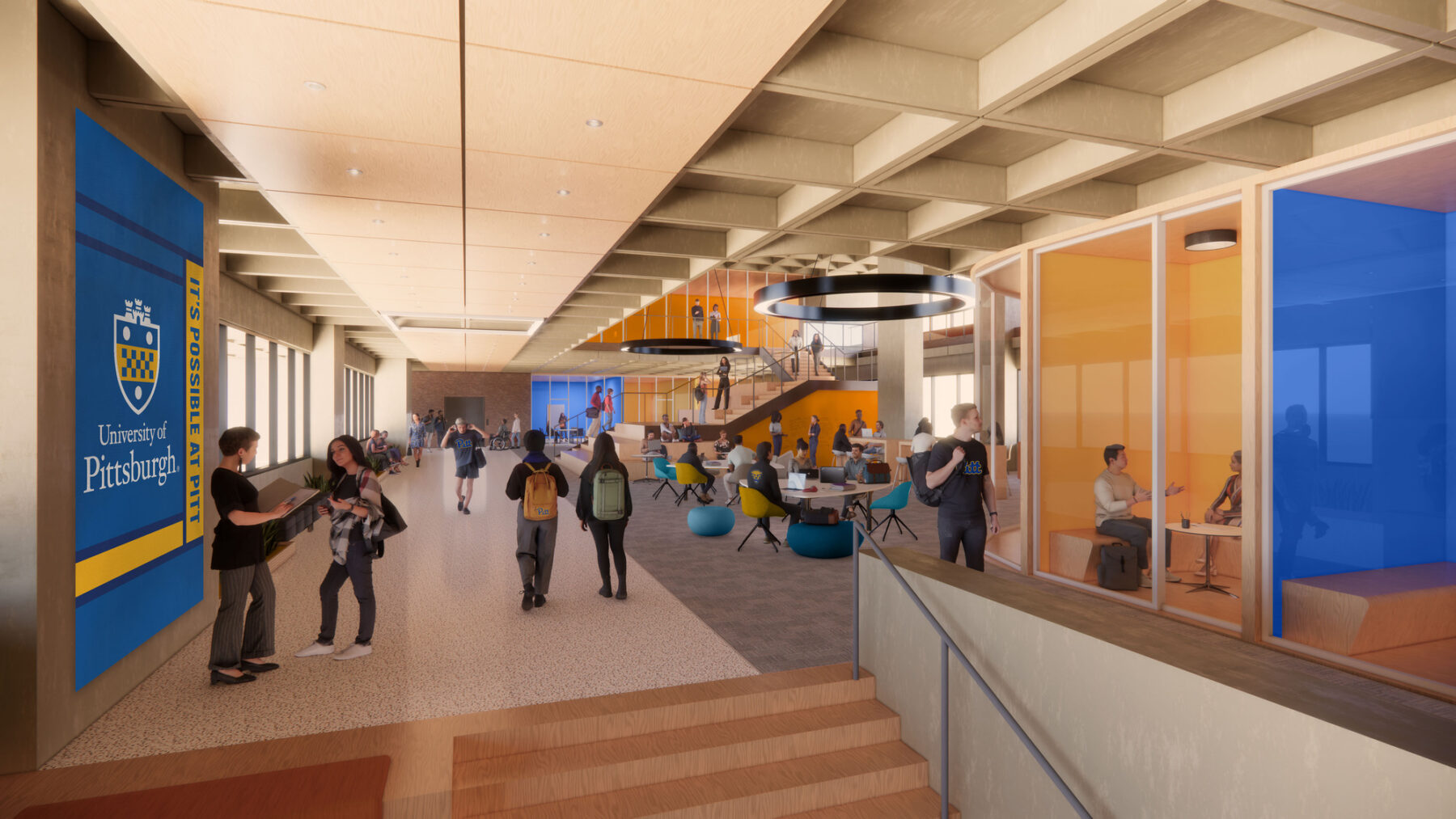
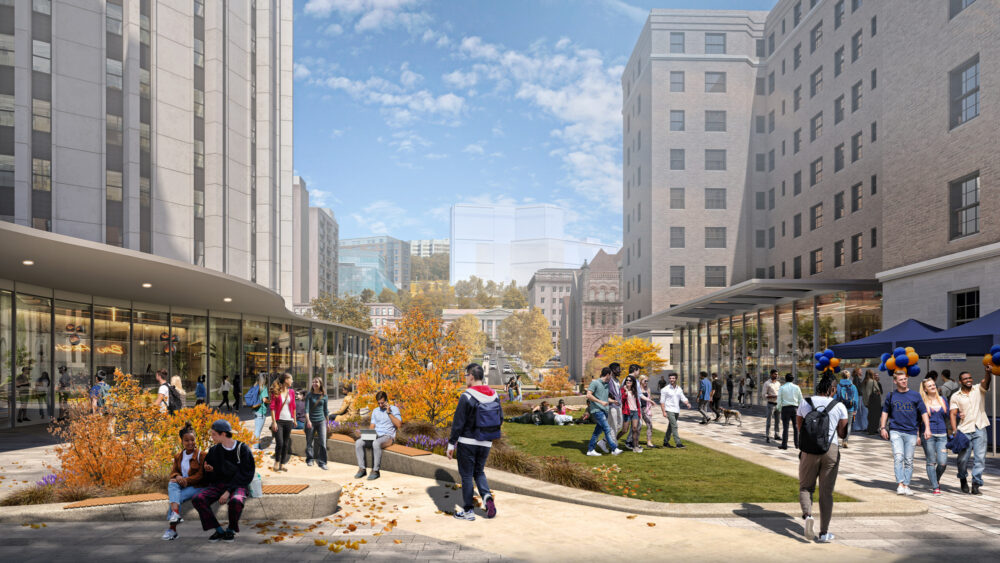
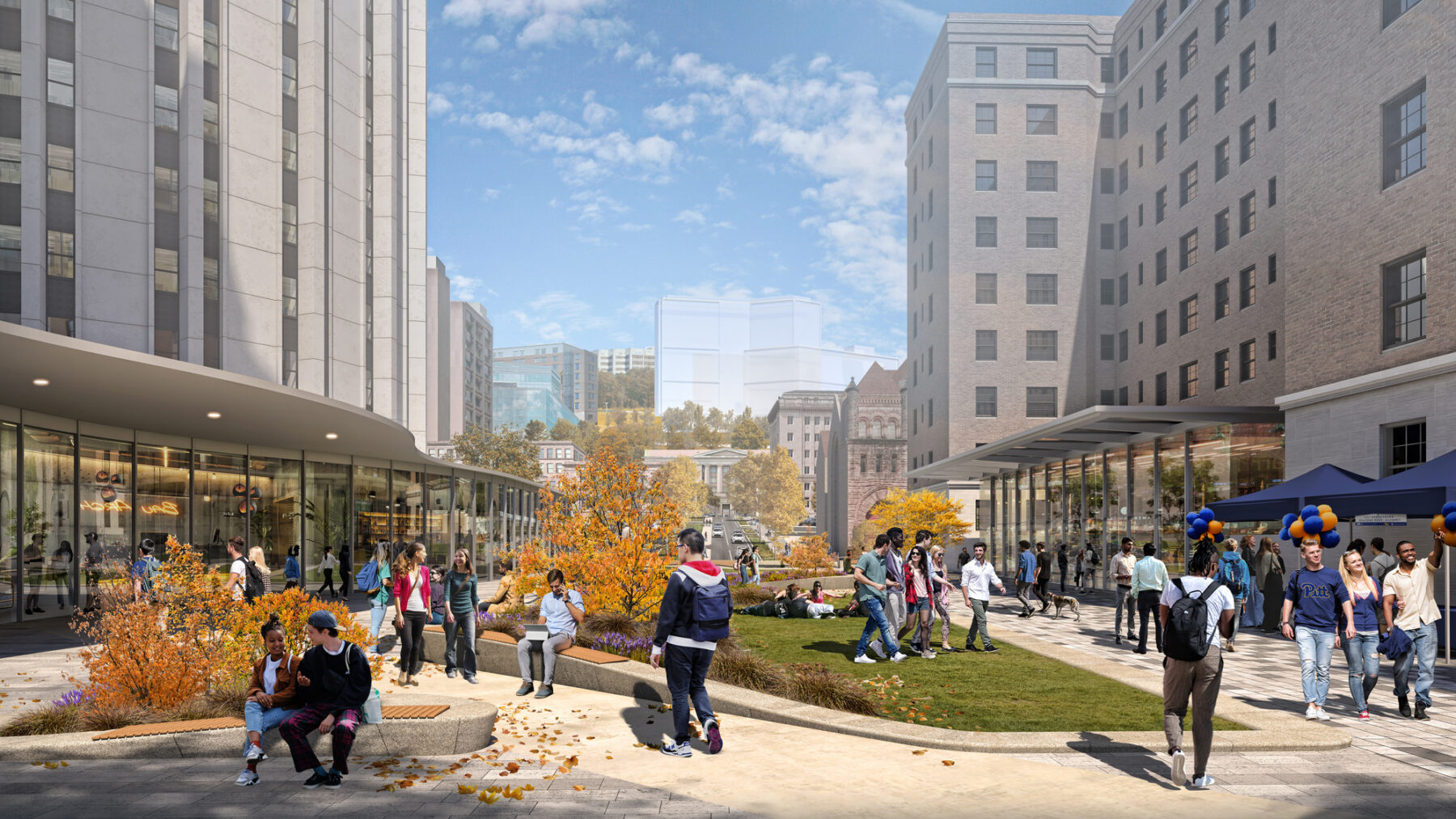
The proposed POSPAR academic hub at the University of Pittsburgh.
“During the engagement and listening sessions, students, faculty and the administration identified study and collaboration space as a key need across the campus,” principal-in-charge Greg Havens recalled. “In response, the plan identifies several locations for student support and collaboration hubs with the goal of bringing people and ideas together.” Given Pitt’s abundant supply of historic buildings, renovating and re-orienting these structures emerged as one of the primary strategies for creating spaces that center and uplift the student experience.
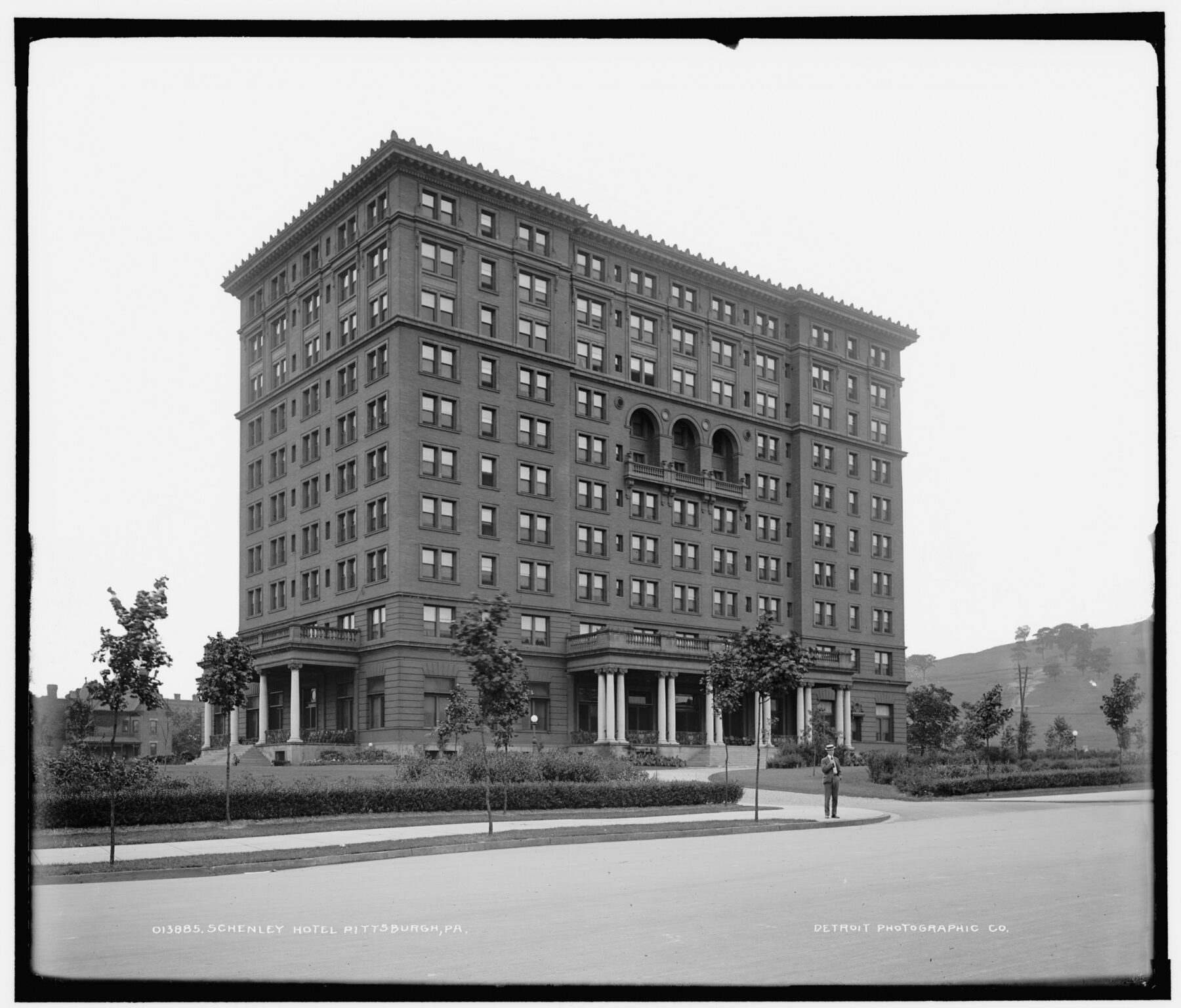
The William Pitt Union was originally built as the Hotel Schenley in 1898.
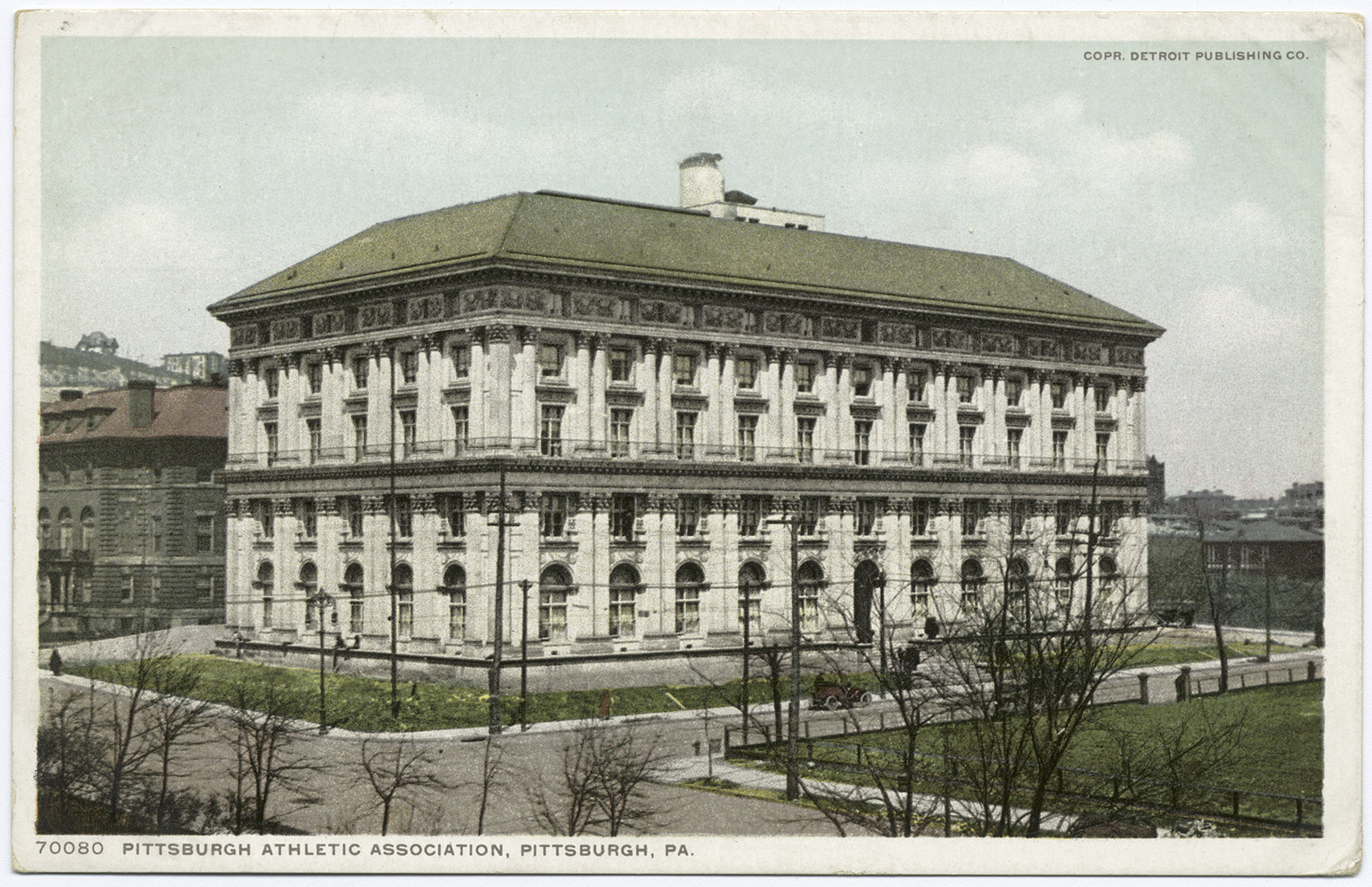
The Pittsburgh Athletic Association building will be reconfigured as the new student center
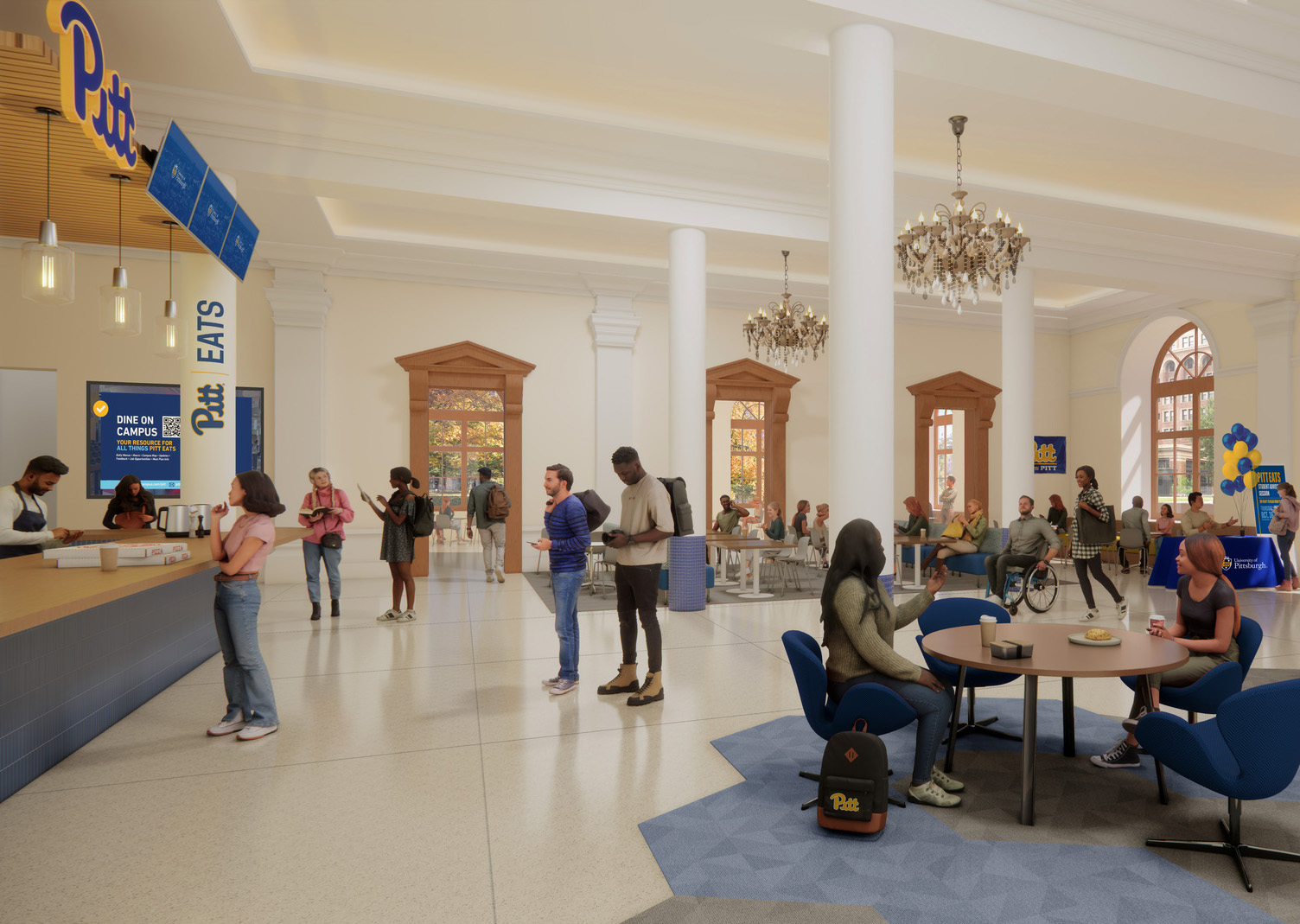
Originally designed as one of the first social clubs in Oakland, the PAA building will continue to act as a gathering place through its transformation into a new student center.
The William Pitt Union was originally built as the Hotel Schenley in 1898.
The Pittsburgh Athletic Association building will be reconfigured as the new student center
Originally designed as one of the first social clubs in Oakland, the PAA building will continue to act as a gathering place through its transformation into a new student center.
The Pittsburgh Athletic Association, built in 1911 and accented with echoes of Venetian High Renaissance style, is one of the university’s key recent real estate acquisitions. The plan proposes transforming the building into a new student center, consolidating student engagement space in the campus core. In turn, the upper floors of the William Pitt Union, a former hotel where student activity spaces are currently located, would be converted to student housing, yielding approximately 350 beds.
By re-attuning focus to the original residential and social functions of these two buildings, this strategic swap maximizes efficiencies by making the most of the existing architecture.
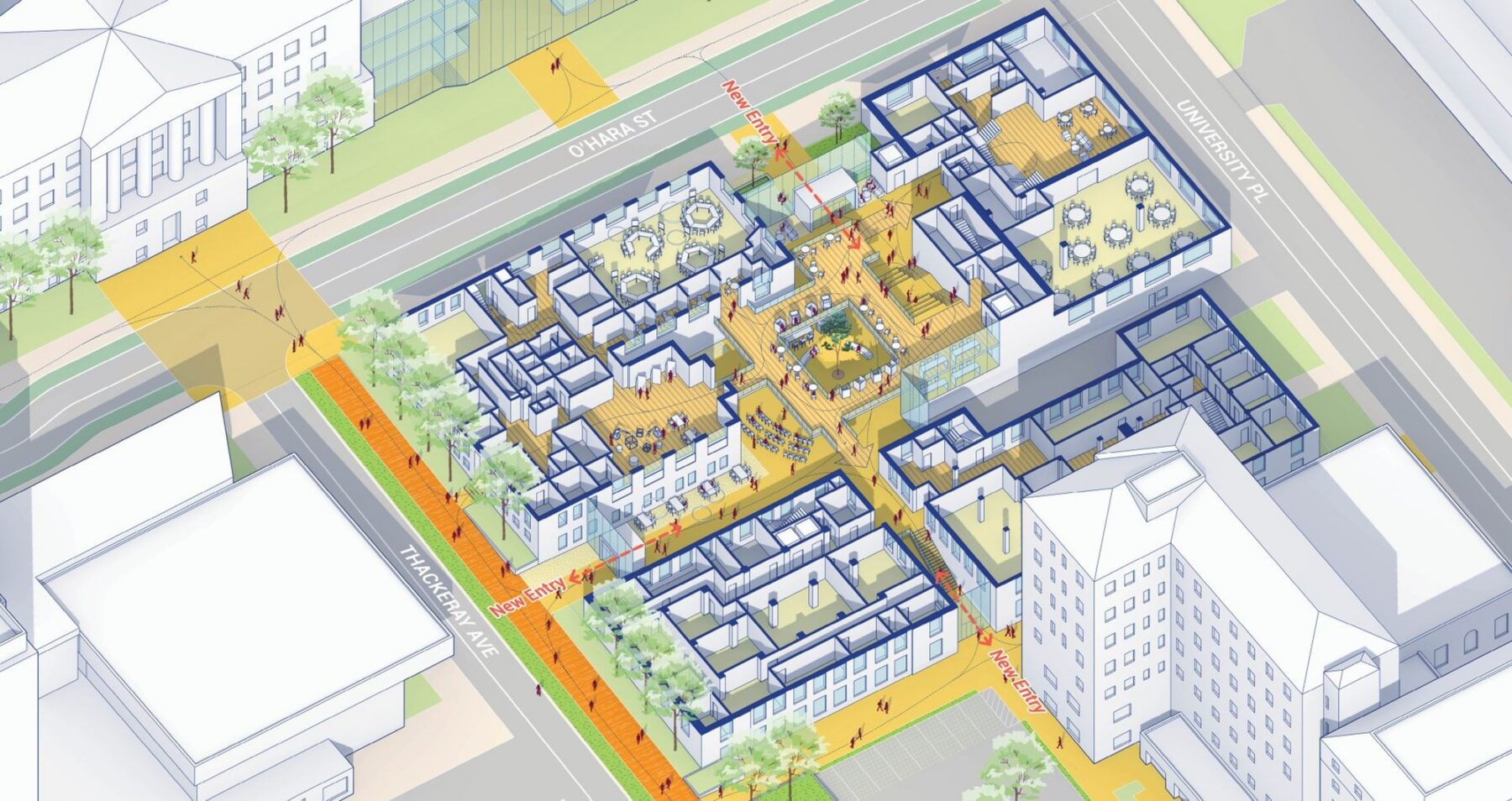
Proposed conversion projects also include infill developments that will link together historic buildings on campus.
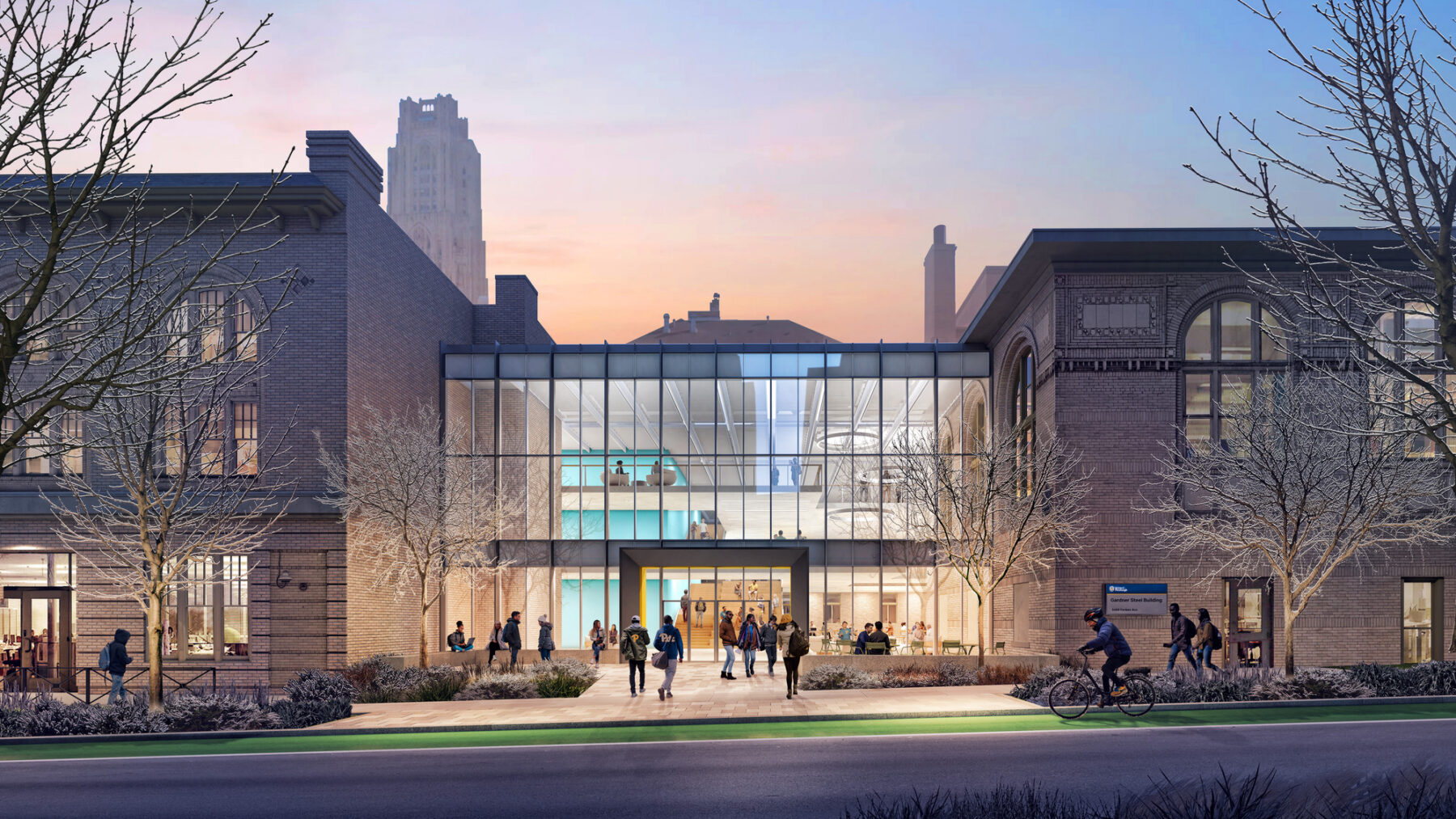
These connective hubs will provide study and collaboration spaces while incorporating key upgrades like elevators, accessible restrooms and mechanical rooms.
Community-centered living and cross-disciplinary collaboration are at the heart of a liberal arts education. As part of the Comprehensive Campus Plan for Mount Holyoke College, Sasaki reviewed the college’s existing spaces to identify how these goals can be better reflected in the spatial fabric of the campus, assessing both planned construction and renovations across a ten-year horizon.
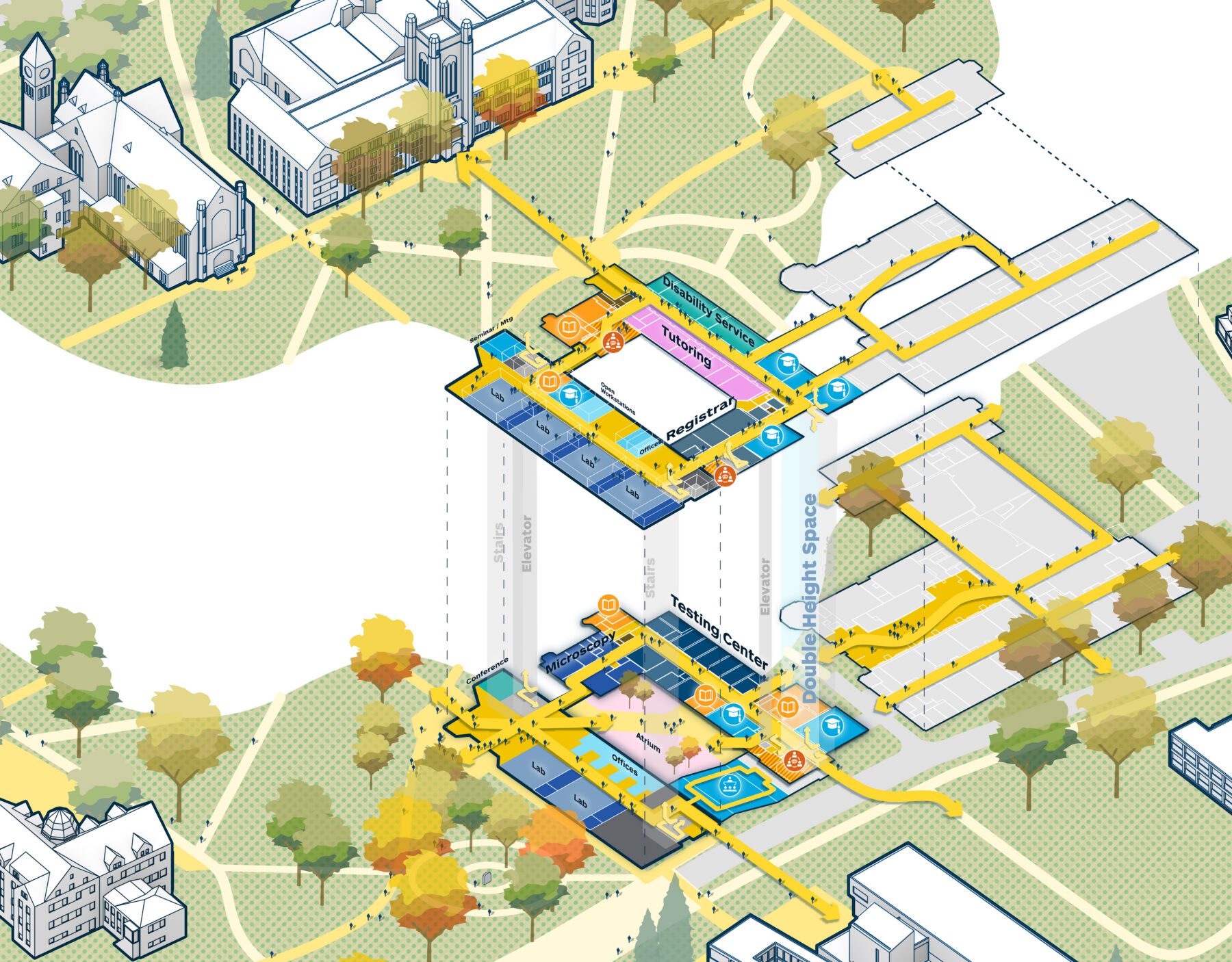
The Academic Commons renovation focuses on the lower two levels of the building to build active connections to the surrounding campus and add new academic support services and flexible study spaces.
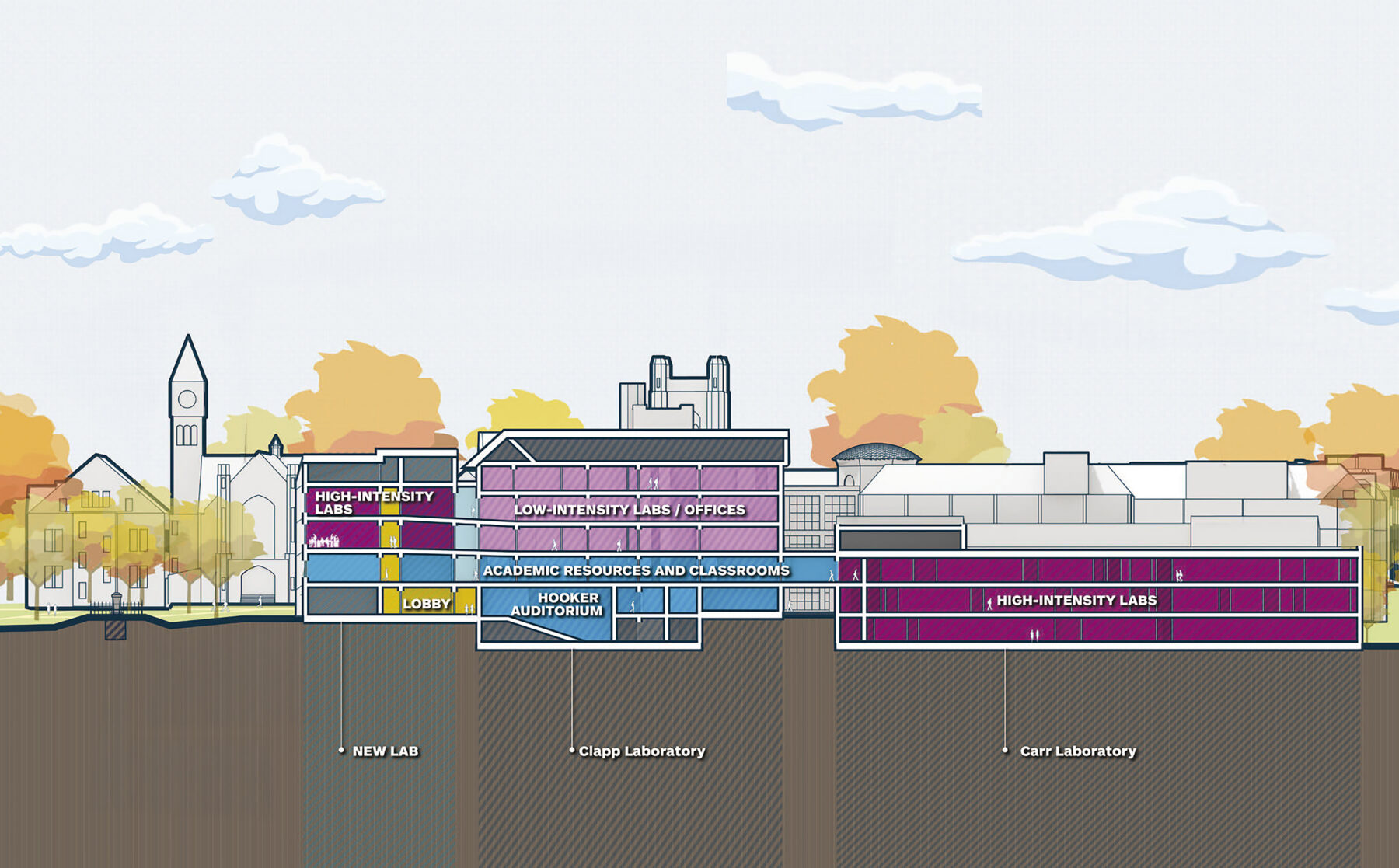
The Science Center renovation and expansion hinges on optimizing space use through thoughtful integration of varied disciplines and lab types.
Using analyses of existing spaces, engagement surveys and workshops, the plan proposes a reimagined Academic Commons that ensures the physical environment both reflects and advances the collaborative, creative atmosphere that is central to Mount Holyoke’s campus identity. “The strategic reuse of existing space and judicious application of new construction defined the development approach at Mount Holyoke College” said Caitlyn Clauson, principal-in-charge of the effort. The planned addition of a new lab building unlocks the capacity to support high intensity labs and enables the downcycling of existing labs. It also repurposes two floors of vacated space in an existing science building to consolidate academic support resources like tutoring centers and accessibility services, as well as create new active-learning classrooms and informal study spaces.
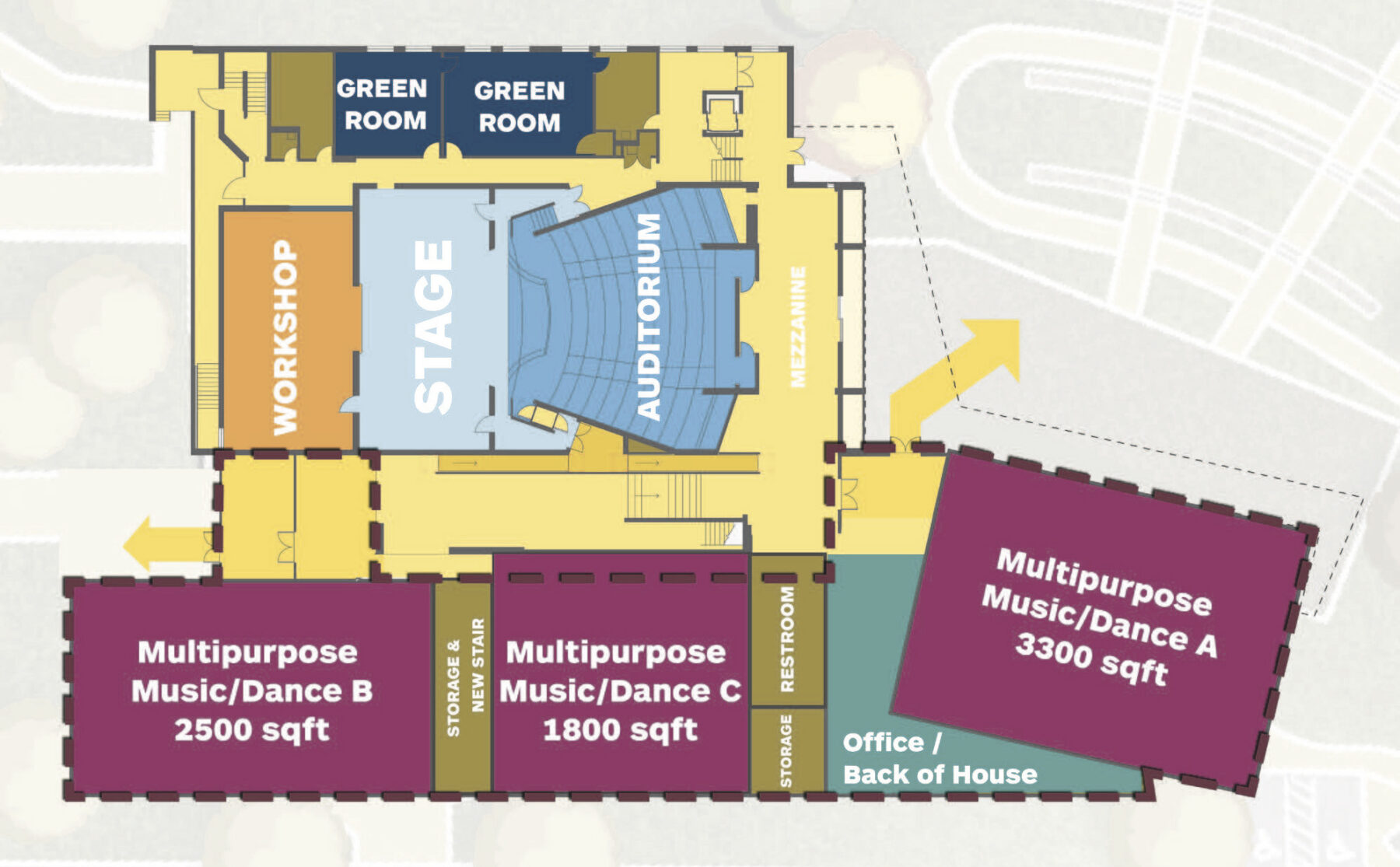
Proposed changes to the Rooke Theater include flexible performance spaces.
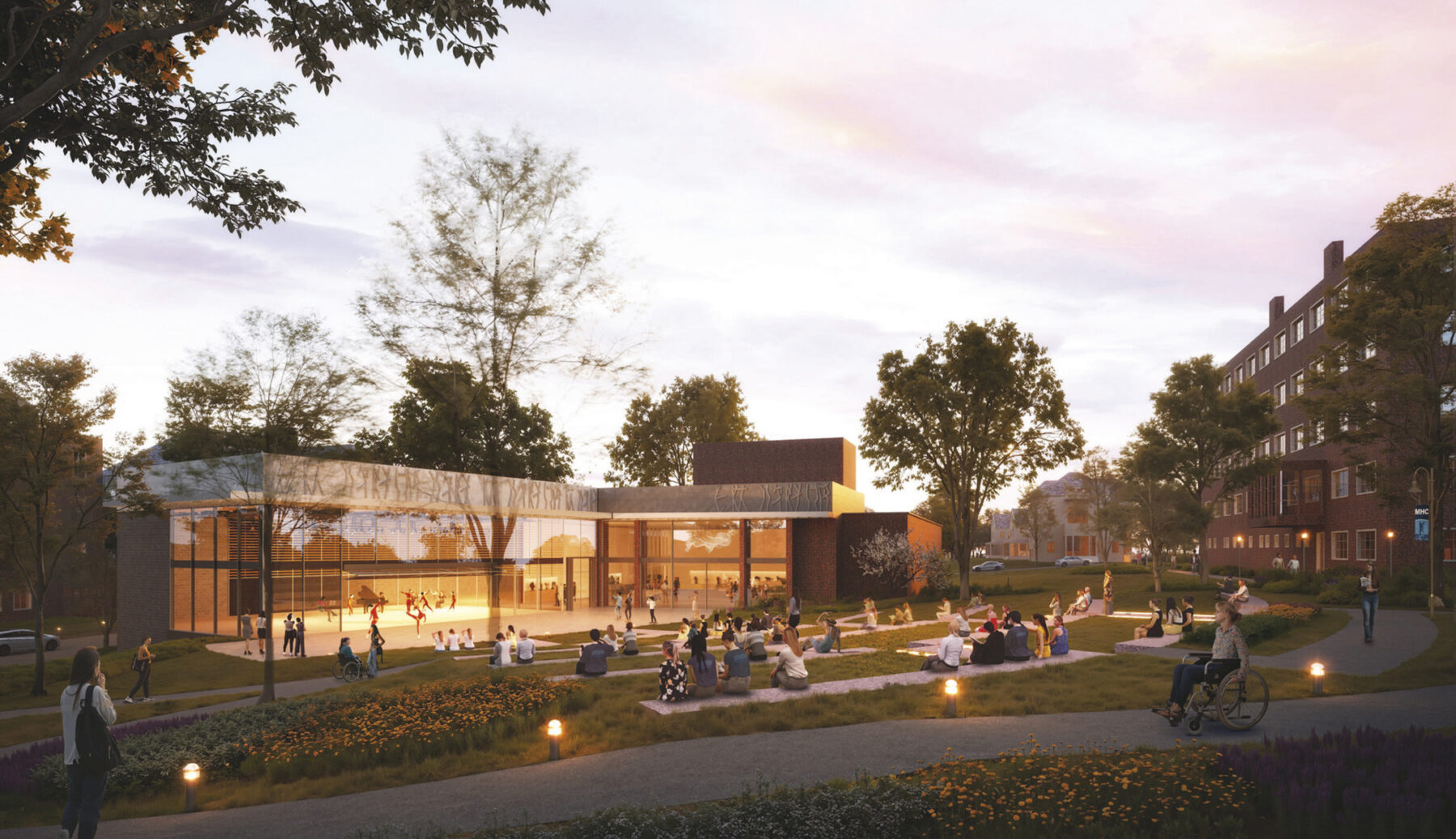
Originally built in 1966, the reimagined Rooke Theater will help vastly expand accessibility, capacity, and integrated performance opportunities to support Mount Holyoke’s arts and experiential learning programs.
Other strategic renovations similarly focus on creating environments that support student success while streamlining operations. The proposed renovation of Rooke Theatre, the primary performance space on campus, will modernize the 1960s building to upgrade accessibility and capacity, while re-envisioning studios as multi-purpose spaces that can support music, dance and performing arts and adapt to varying scales of rehearsals and performances.
Space is a limited but flexible resource. When universities turn inward and invest in their existing assets, new opportunities are unlocked. They can maximize efficiencies by synchronizing deferred maintenance with building upgrades, center student learning and living experiences by right-sizing or relocating spaces, and reduce environmental impact by optimizing underutilized footprints. As campuses continue to face external pressures, thoughtful space planning can help institutions respond more nimbly to challenges, now and in the future. By working creatively within constraints, they strengthen their capacity to support the ever-evolving learning and research of the communities they serve.