2024 World Landscape Architecture Awards Recognizes Seven Sasaki Projects
The annual awards program celebrates excellence, innovation, and sustainability in landscape architecture from across the globe
 Sasaki
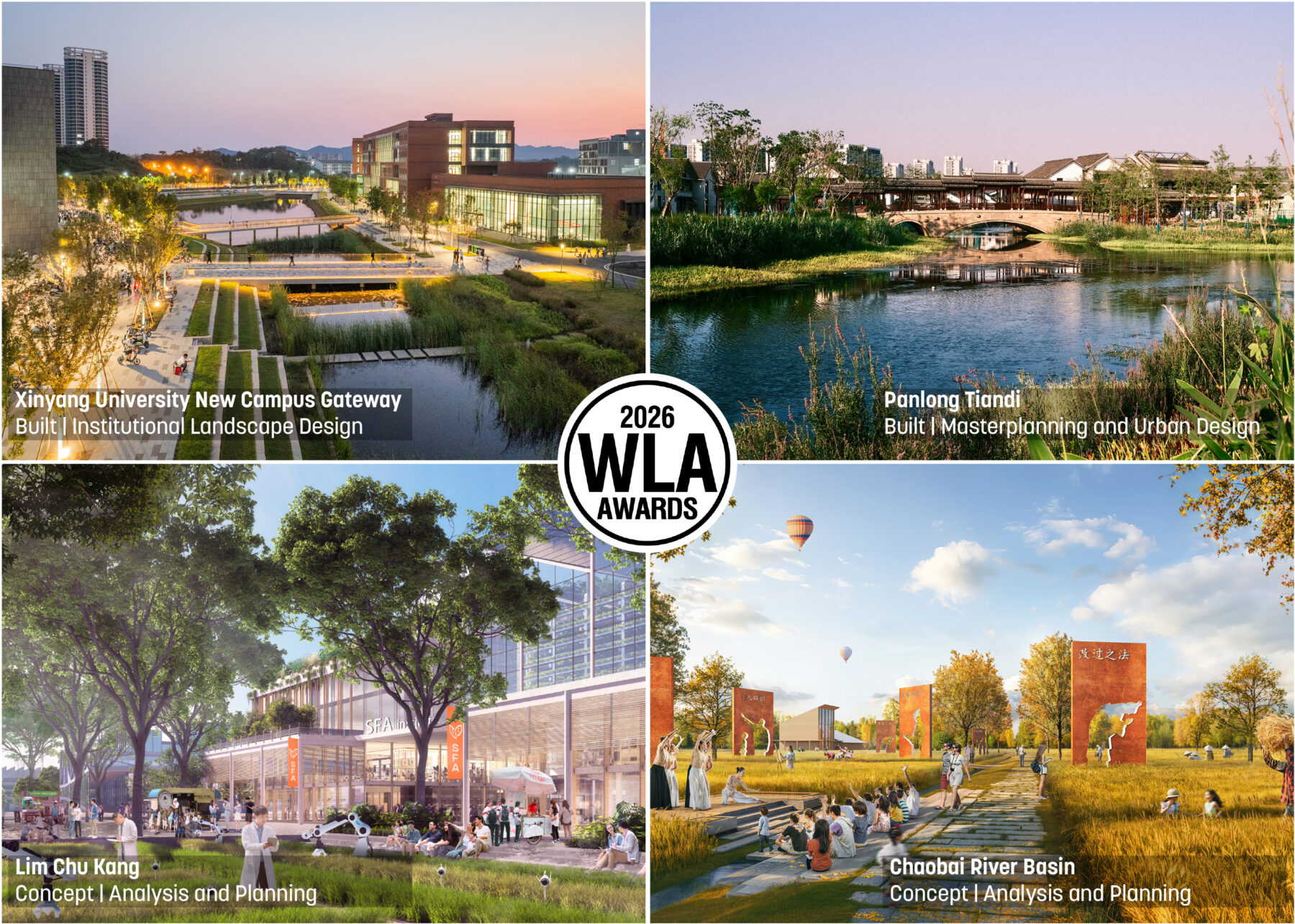
Celebrating excellence, innovation, and sustainability in landscape architecture from across the world, Sasaki is honored to share that the World Landscape Architecture (WLA) Awards awarded four projects among Sasaki’s seven shortlisted entries.
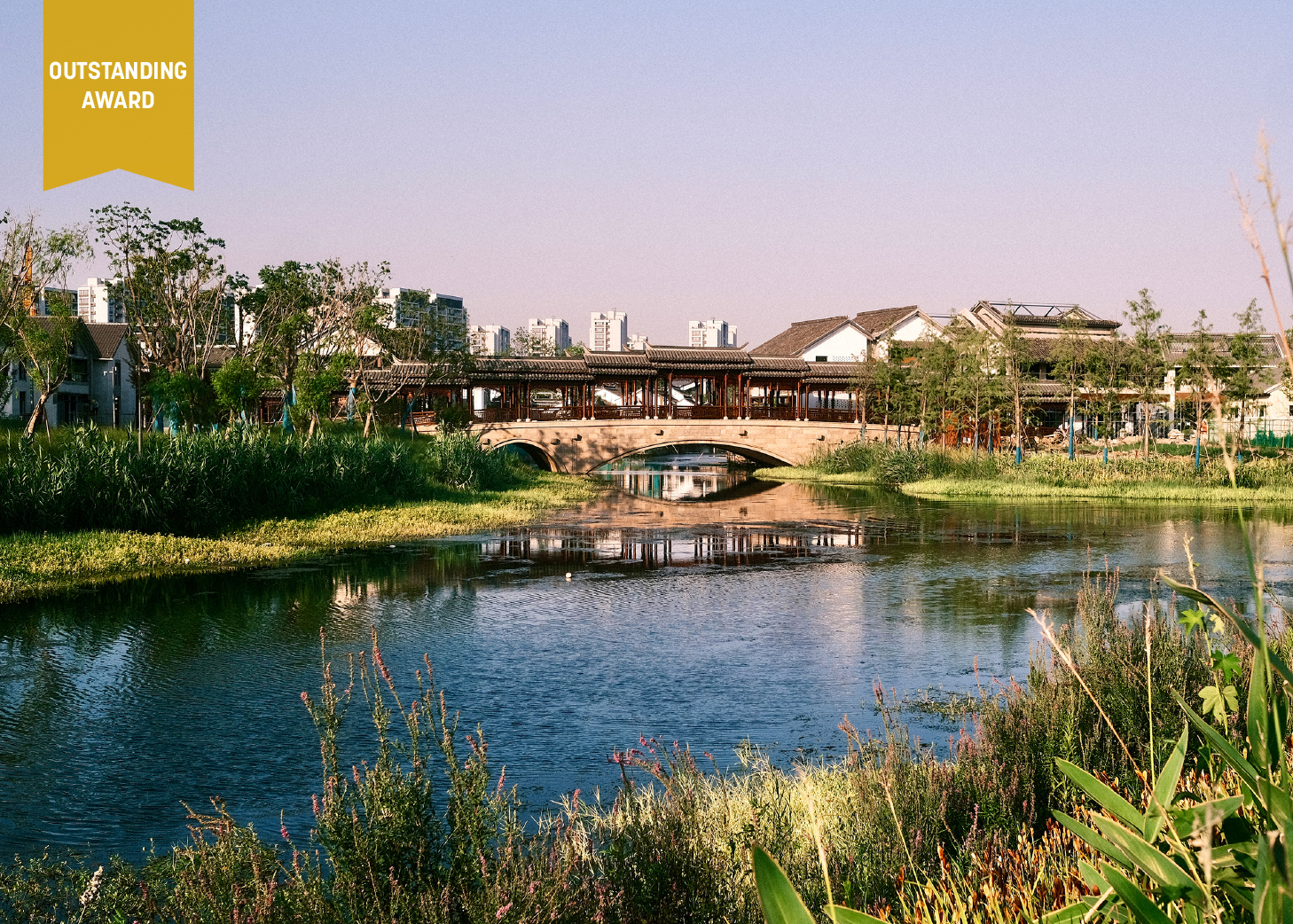
Panlong Tiandi demonstrates that adaptive reuse is more than preservation alone. By making landscape the primary agent of connection, remembrance, and public life, the project allows history to endure without being immobilized. It is not a museum of what once was, but a living cultural landscape where the memory of water, village life, and collective belonging is carried forward with warmth, dignity, and renewed meaning into the life of contemporary Shanghai.
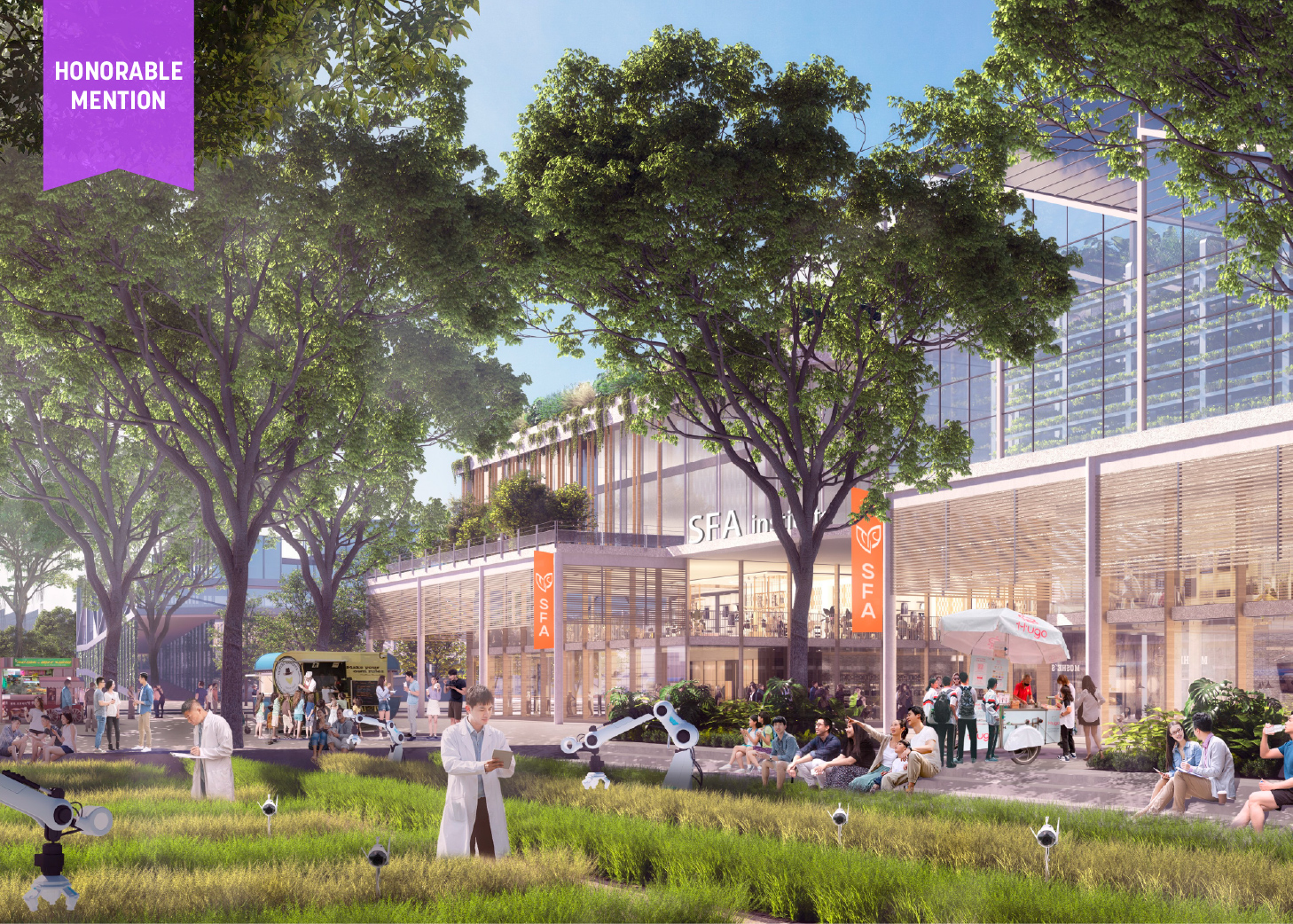
Lim Chu Kang reframes agriculture as civic infrastructure for a small island nation confronting the defining question of this century: how to sustain itself through resilience, sovereignty, and purpose. As Singapore’s only agricultural district, the design treats agriculture as national infrastructure and offers a compelling model for how cities can feed themselves more wisely, restore the environments on which food depends, and build resilience through landscape, culture, and collective purpose.
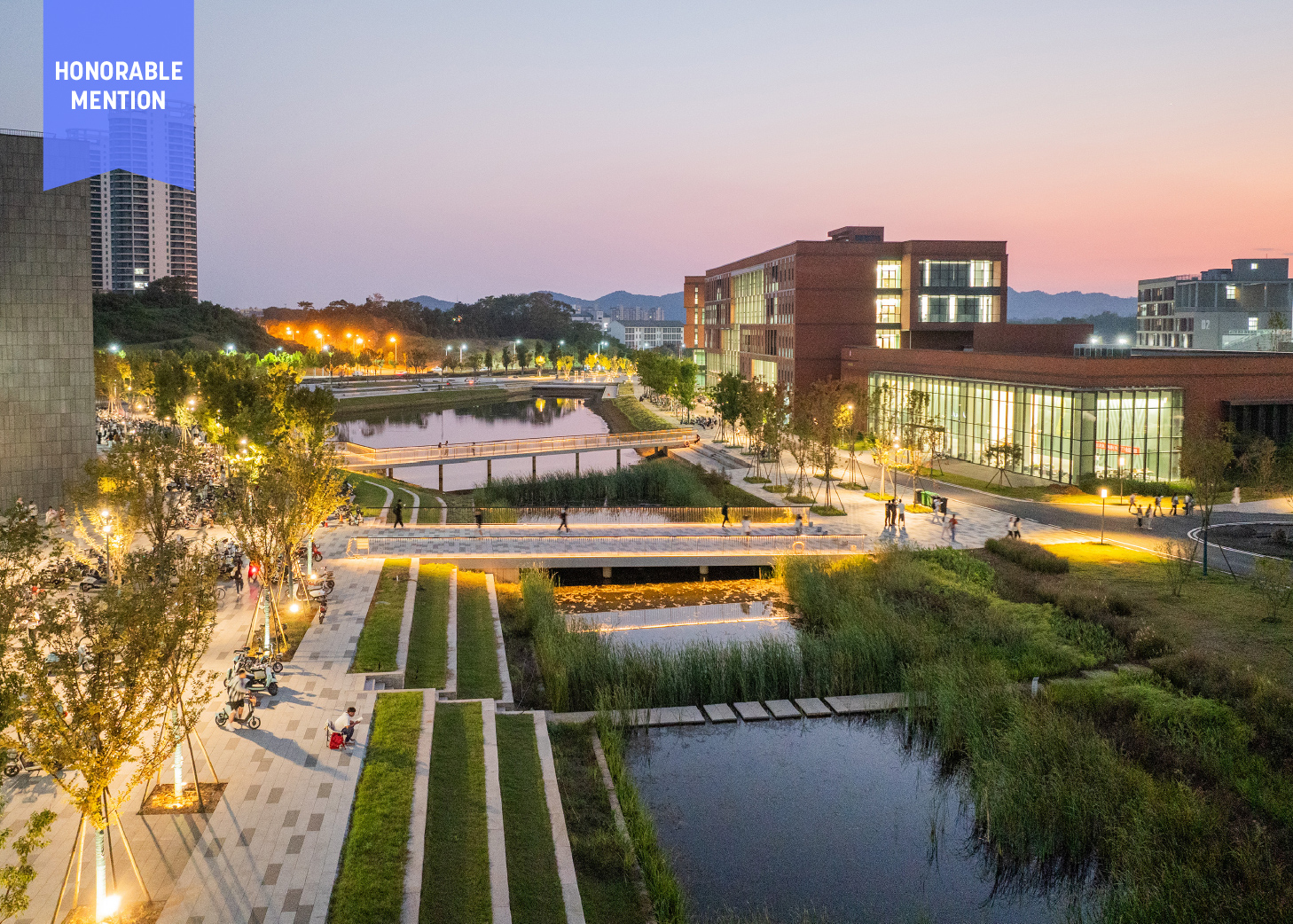
The XYU New Campus Gateway in Xinyang, China, demonstrates how a landscape can simultaneously restore ecosystems, honor agrarian heritage, and shape new educational experiences. As universities confront climate change and evolving educational models, this project offers a benchmark for nature-based and culturally grounded campus design.
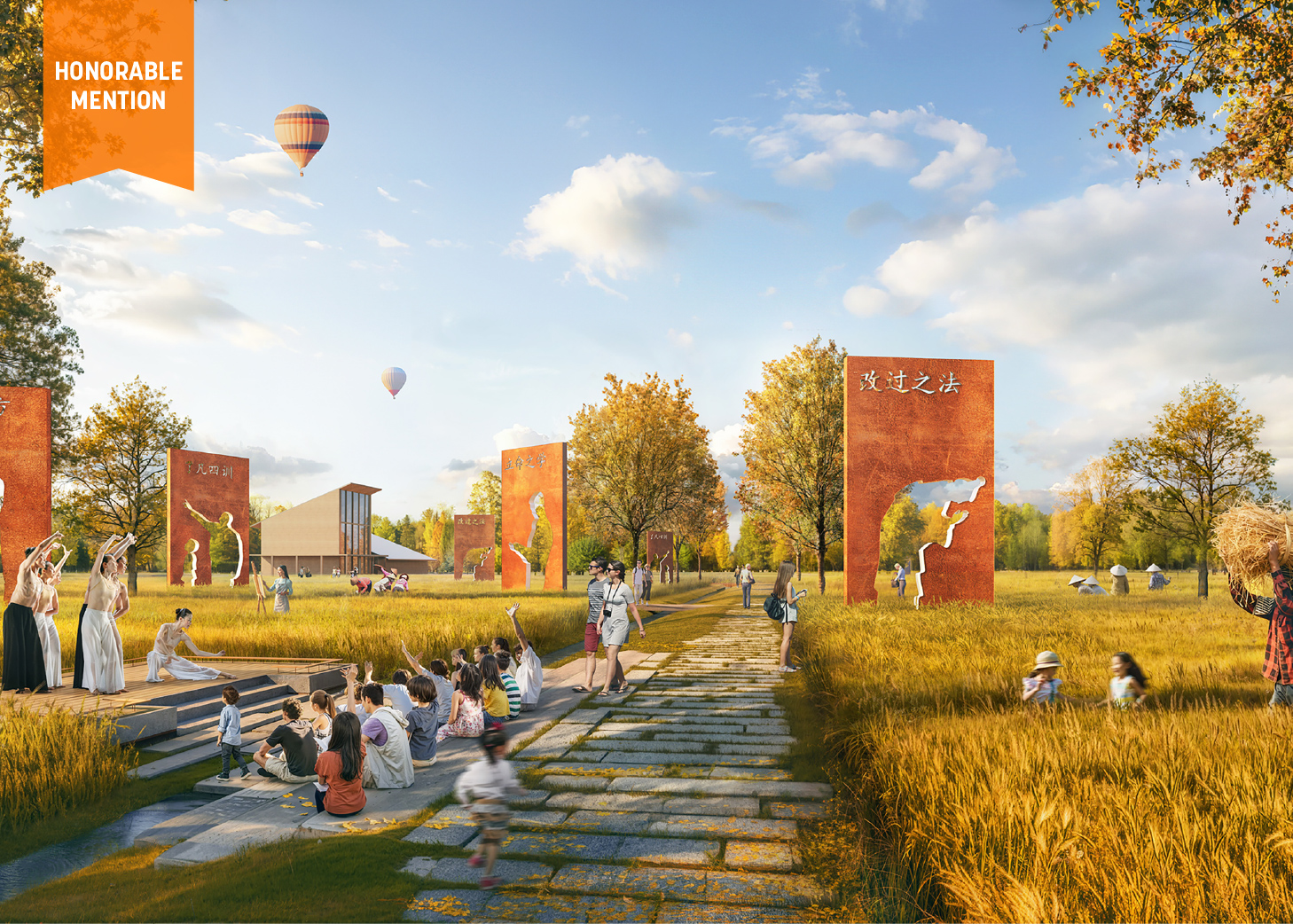
The Chaobai River Basin is a 540 square kilometer rural landscape north of Tianjin where 28 villages have long been sustained by a symbiotic relationship with water, farming, and seasonal change. The plan creates a platform for investment in restoration, economic infrastructure, and public amenities. Rather than treating rural revitalization as a series of isolated local projects, Chaobai organizes ecological repair, cultural continuity, and economic adaptation within a basin-wide framework and demonstrates how analysis, participation, and implementation can operate together at the scale of an entire river basin.
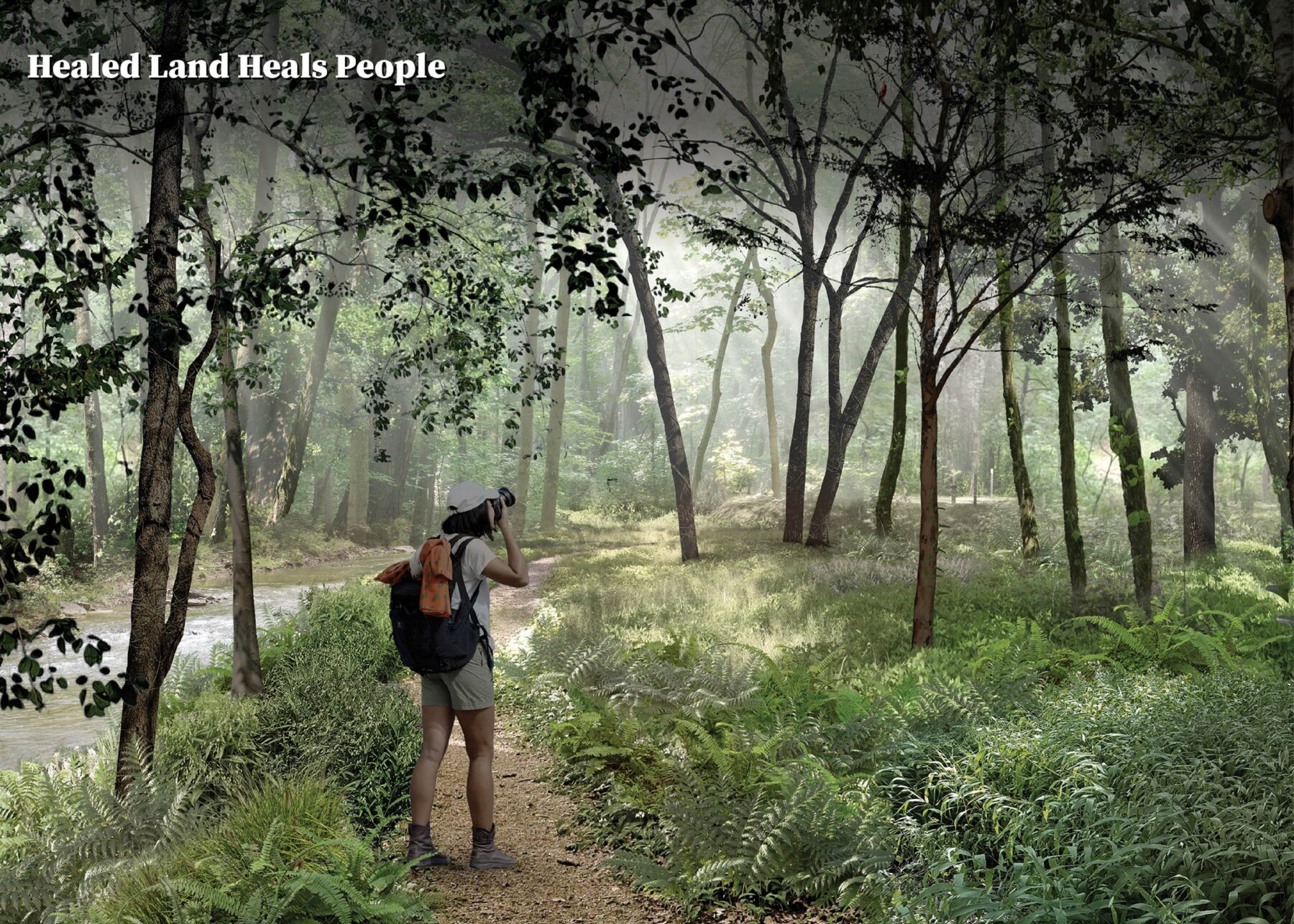
The Comprehensive Plan for Arboretum San Antonio, in San Antonio, TX transforms a former private golf course into a 230-acre public arboretum, repositioning the site as a long-term civic, ecological, and research amenity. The plan is structured around a multi-layered methodology combining spatial analysis, community engagement, and implementation planning. Together, the Arboretum San Antonio aligns ecological performance with financial and institutional sustainability for years to come.
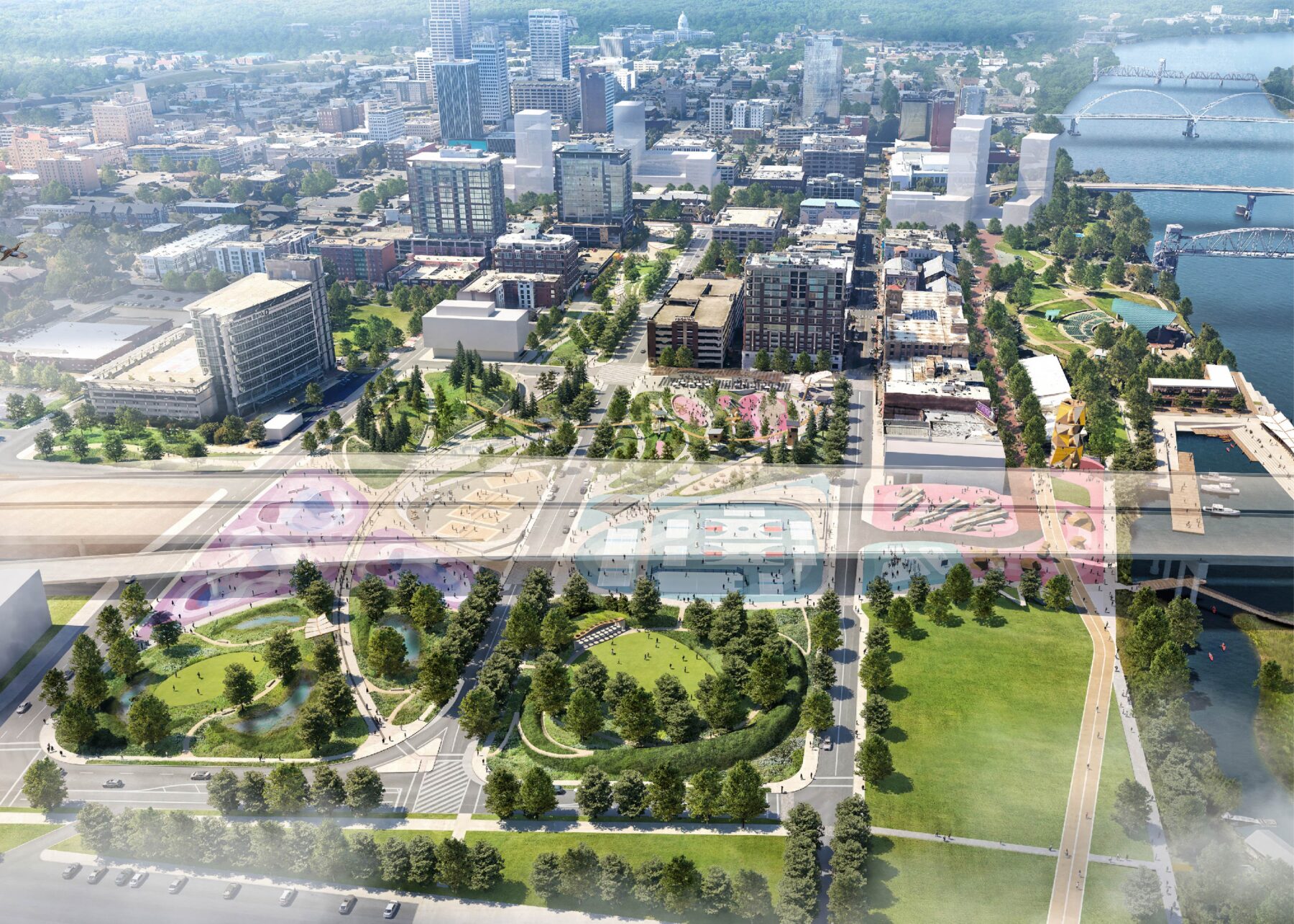
30 Crossing Park in Little Rock, AK is an act of repair and rejuvenation — a once-in-a-generation landscape that reclaims 18 acres of former freeway infrastructure as a destination park, stitching together what the highway divided and celebrating Little Rock as the crossroads of the Natural State. When complete, it will anchor a connected network of over 100 acres of downtown parkland and mark the moment Little Rock chose to be whole again.
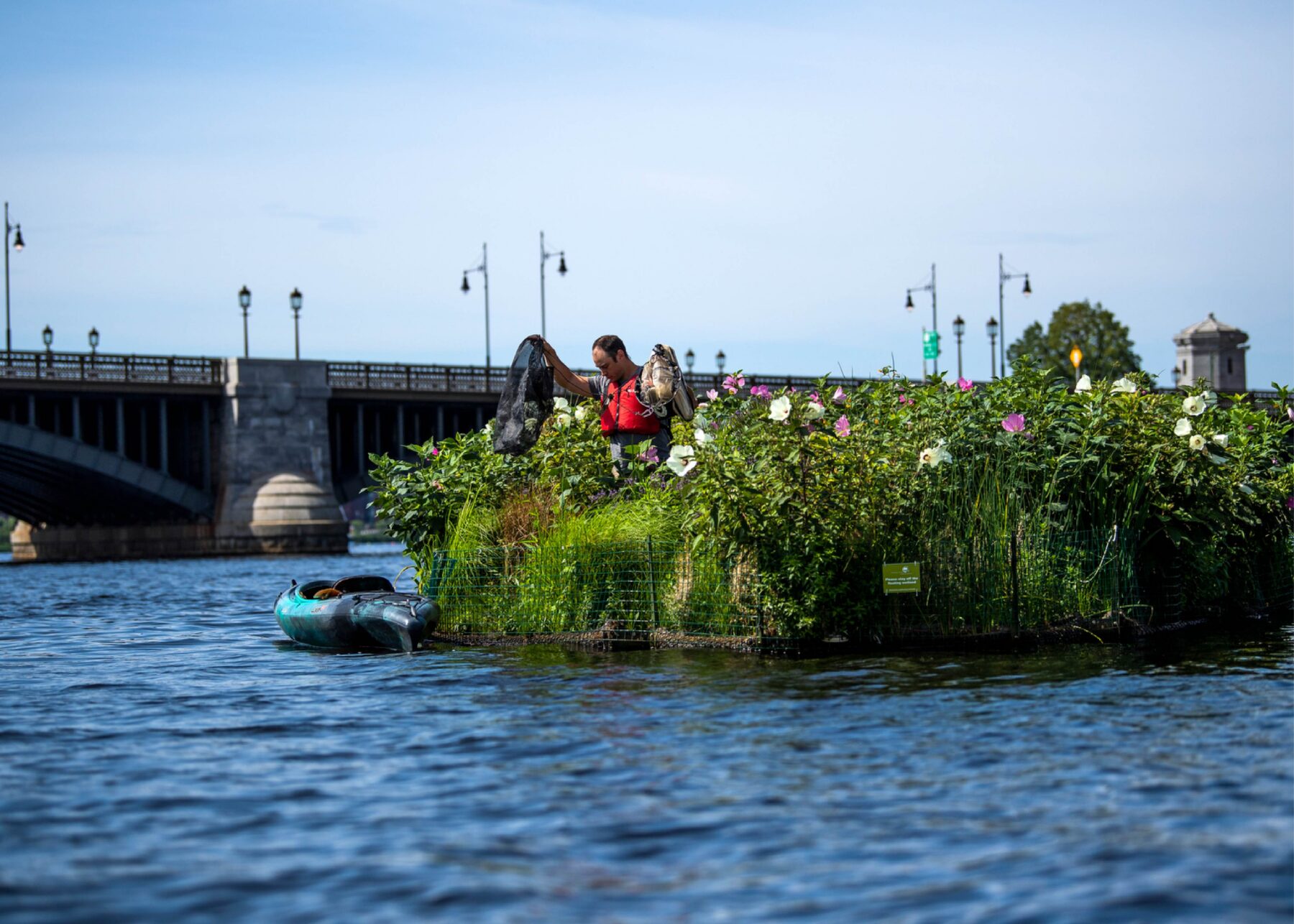
The Charles River Floating Wetland Pilot Project, in Boston, MA investigates the application of Floating Treatment Wetlands (FTWs) as an innovative solution to improve degraded urban waters. By combining scientific research, design experimentation, and public outreach, the project demonstrates how FTWs can enhance water quality, support biodiversity, and provide educational opportunities. The findings offer a defensible method for sizing FTWs and highlight their potential as an effective tool for landscape architects to address urban water quality challenges and foster environmental stewardship.
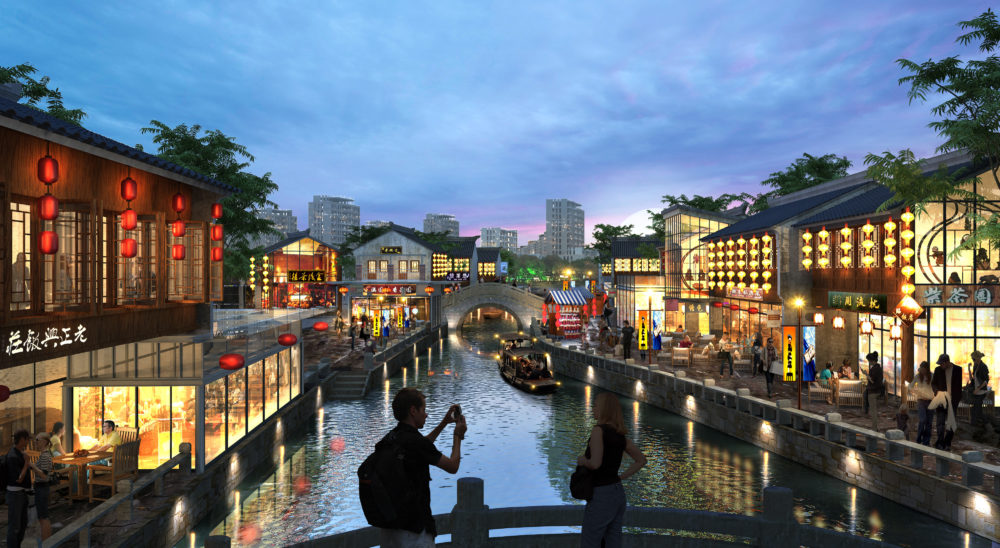
Shanghai, China
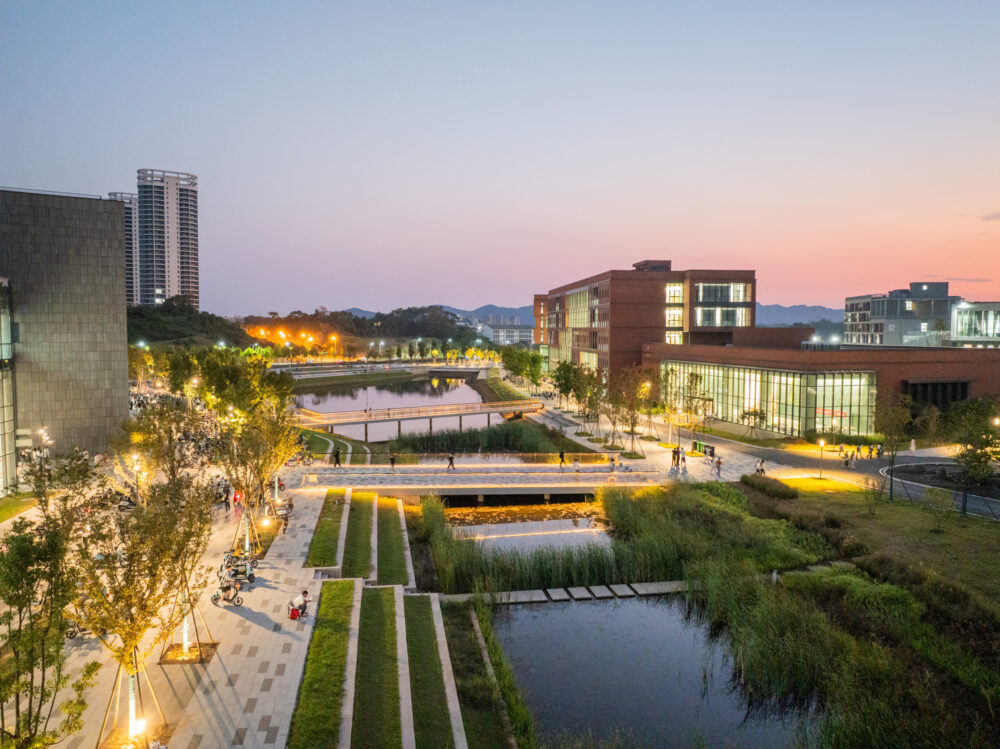
Xinyang City, Henan Province, China
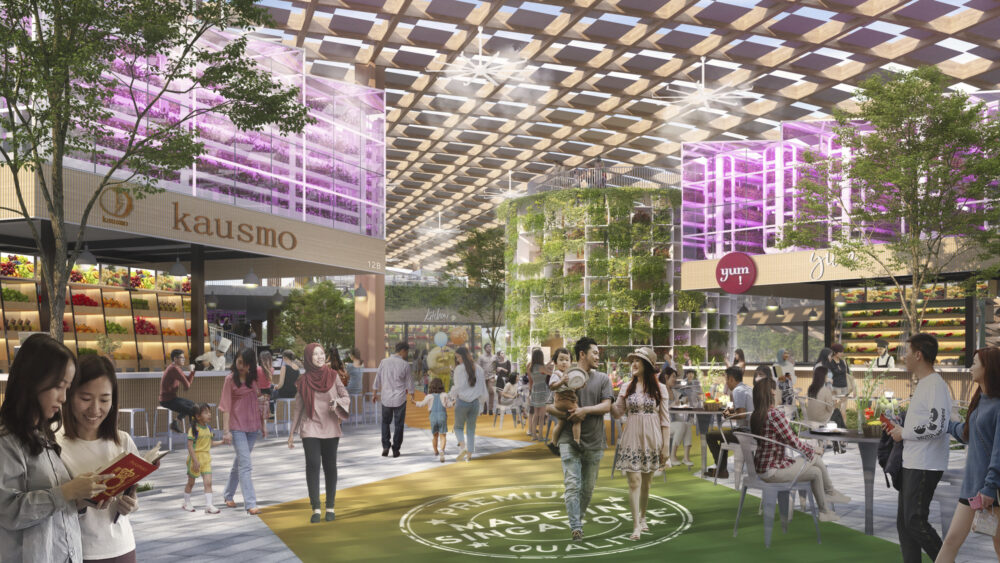
Singapore
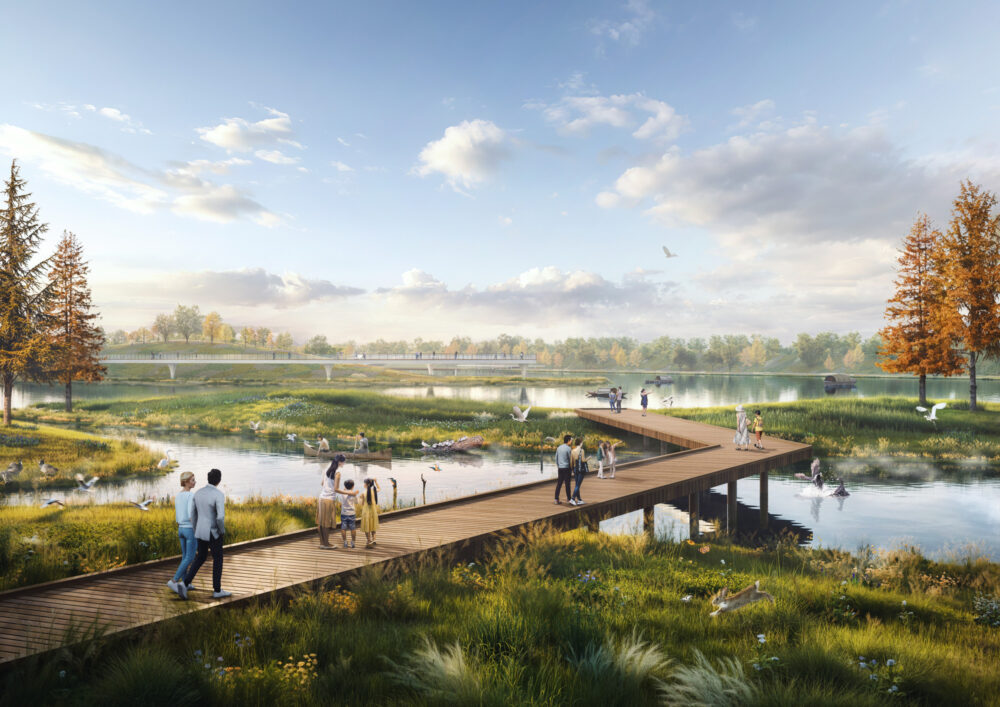
Tianjin, China
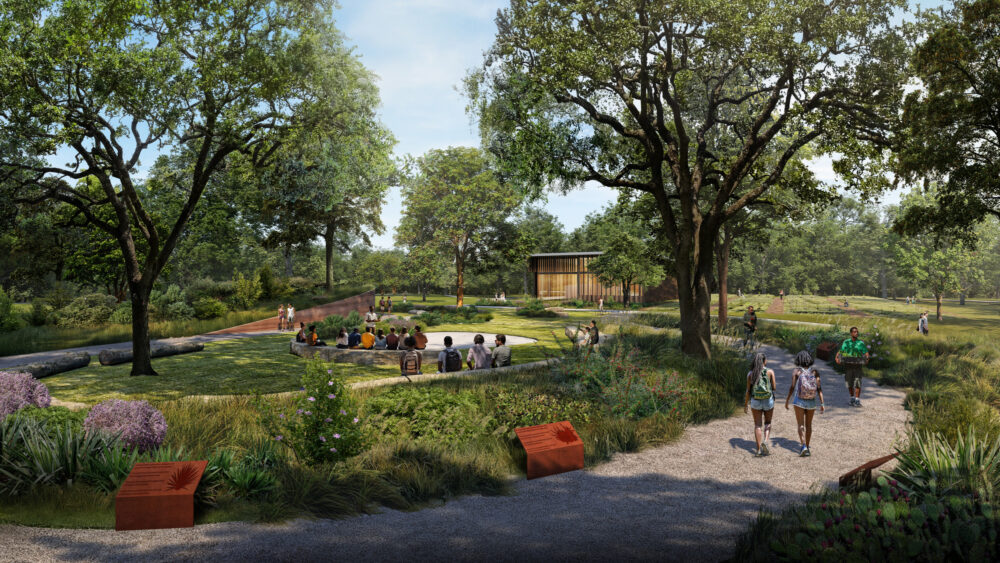
San Antonio, TX
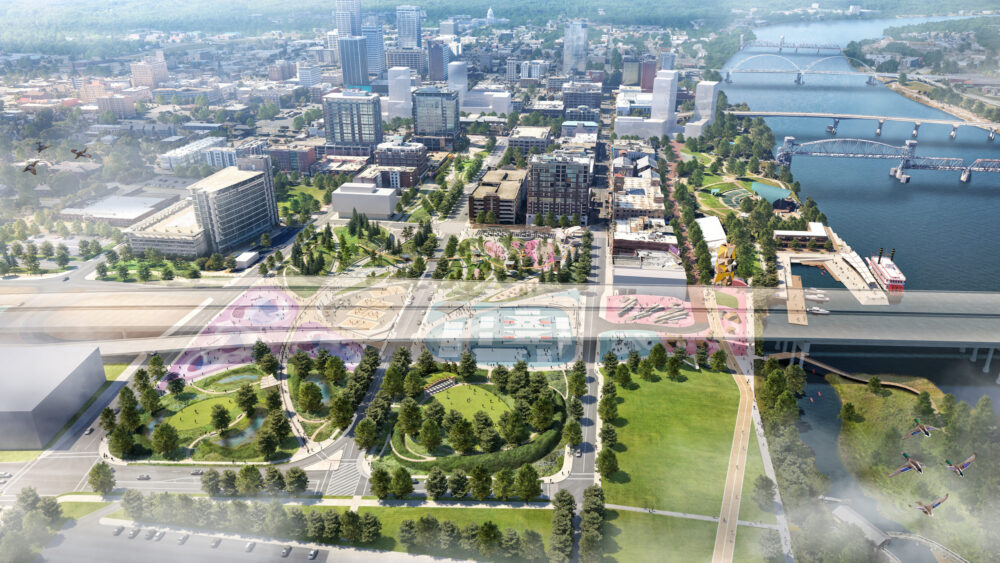
Little Rock, AR