Three Sasaki Projects recognized by 2026 SCUP Excellence Awards
 Sasaki
The Society for Colleges and University Planning (SCUP) Excellence Award honors achievements in strategic, integrated planning that results in exemplary campus buildings, landscapes, and institutional success. This year, Sasaki is pleased to receive award recognition from SCUP in the 2026 Excellence Awards.
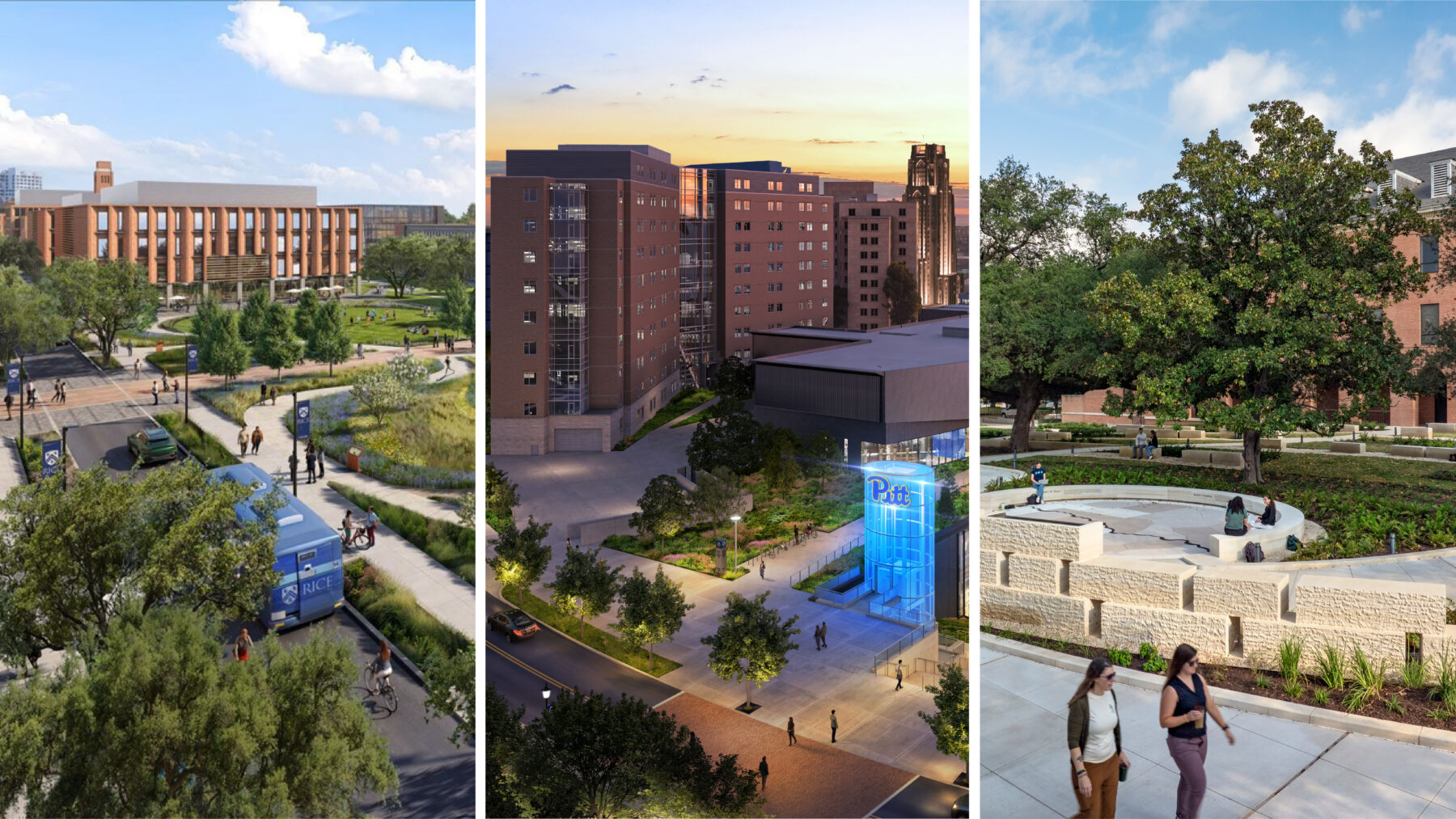
For the 2026 awards program, SCUP awarded sixteen total projects. Sasaki is thrilled to have three projects recognized, highlighting achievements across the firm’s integrated practice. Awarded projects include Rice University Campus Framework Plan, Baylor University Memorial to Enslaved Persons, and University of Pittsburgh Campus Master Plan.
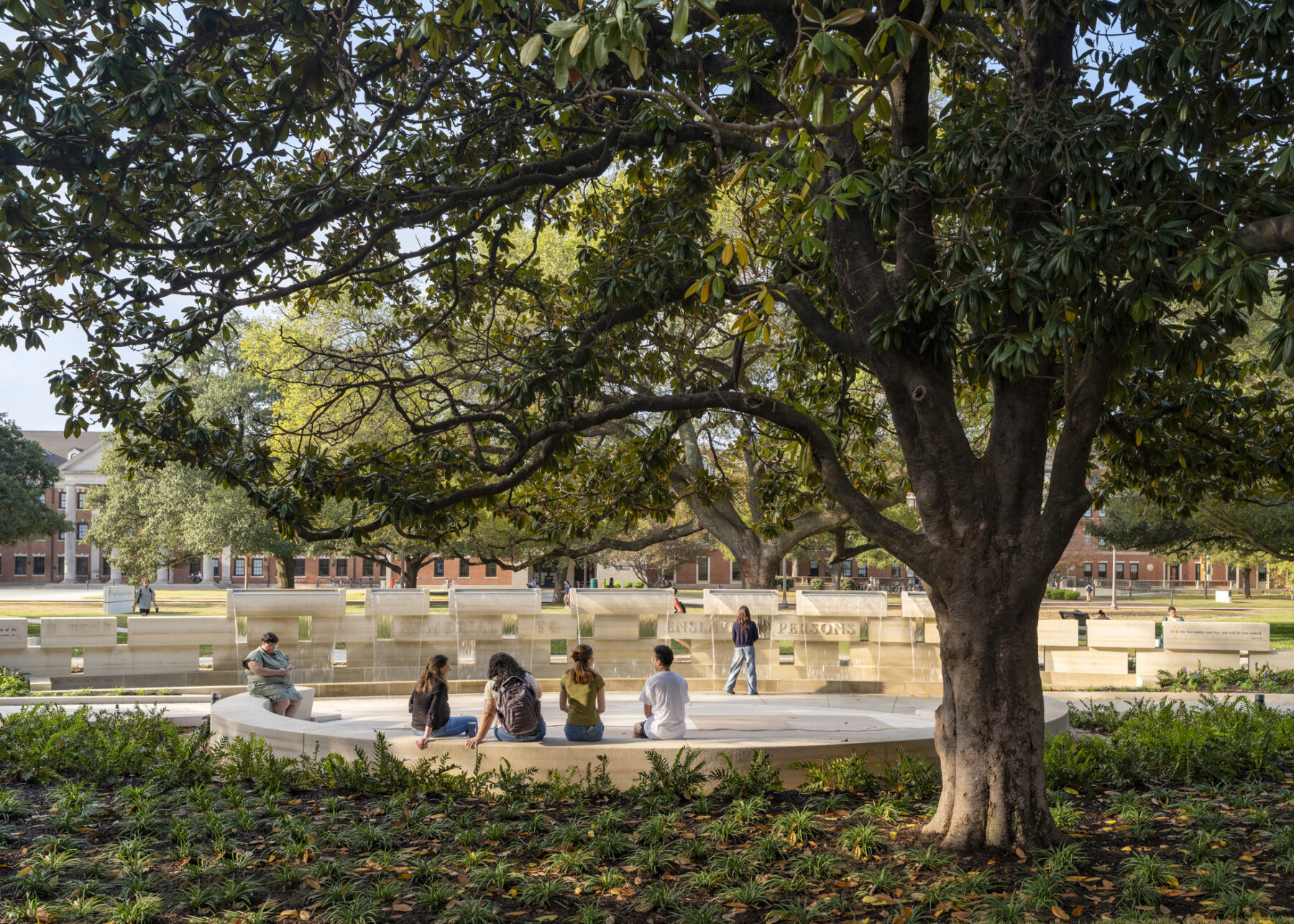
Following an intentional process of racial reckoning, repentance, and reconciliation which culminated in a research-driven report by the Commission on Historical Campus Representations, Baylor University engaged Sasaki to develop a Campus Experience Plan and to implement designs for a memorial honoring the enslaved individuals central to the institution’s founding and construction.
Through extensive archival research and visits to Waco and Independence, TX, Sasaki’s design team formed a design process that integrated Baylor’s story and invited co-creation of the Memorial. A range of stakeholders—including trustees, faculty, staff, and students—were engaged through meetings, charrettes, and historical tours. A Baylor-commissioned “Words Team” developed interpretive text for engravings found throughout the Memorial. To ensure design accuracy and narrative authenticity, multiple models and full-scale mockups were built and used as tools for collective decision-making.
The realized Memorial is an inviting and immersive new destination for reflection, education, and gathering that stands as a tangible acknowledgement of Baylor’s history, while pointing the University toward hope and renewal.
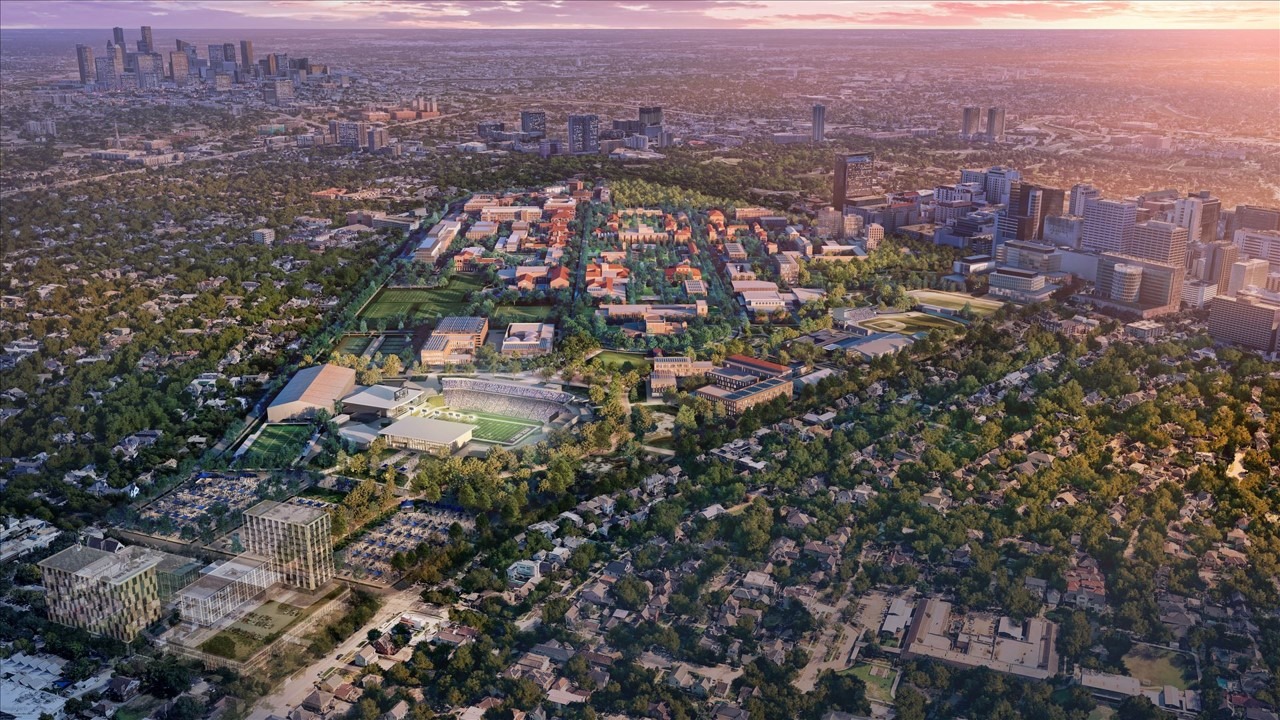
To accommodate Rice University’s campus growth needs while supporting their commitment to research, innovation, and sustainability, the university engaged Sasaki to develop a framework plan to guide the next 30 years of campus development. The plan preserves Rice’s defining characteristics, like its natural landscape setting, residential college culture, and architectural consistency, while preparing for significant growth.
Informed by Rice’s 2024 Strategic Plan Momentous, Sasaki’s framework plan aims to create a more cohesive and dynamic university experience by seamlessly integrating academic, residential, and recreational spaces while supporting Rice’s academic mission and environmental goals and honoring the historic campus structure. Central themes include creating a vibrant, inclusive campus life, expanding and connecting research, reinforcing the landscape as both ecological infrastructure and community amenity, and actively pursuing campus-wide carbon neutrality through a multi-phase decarbonization strategy that emphasizes energy efficiency.
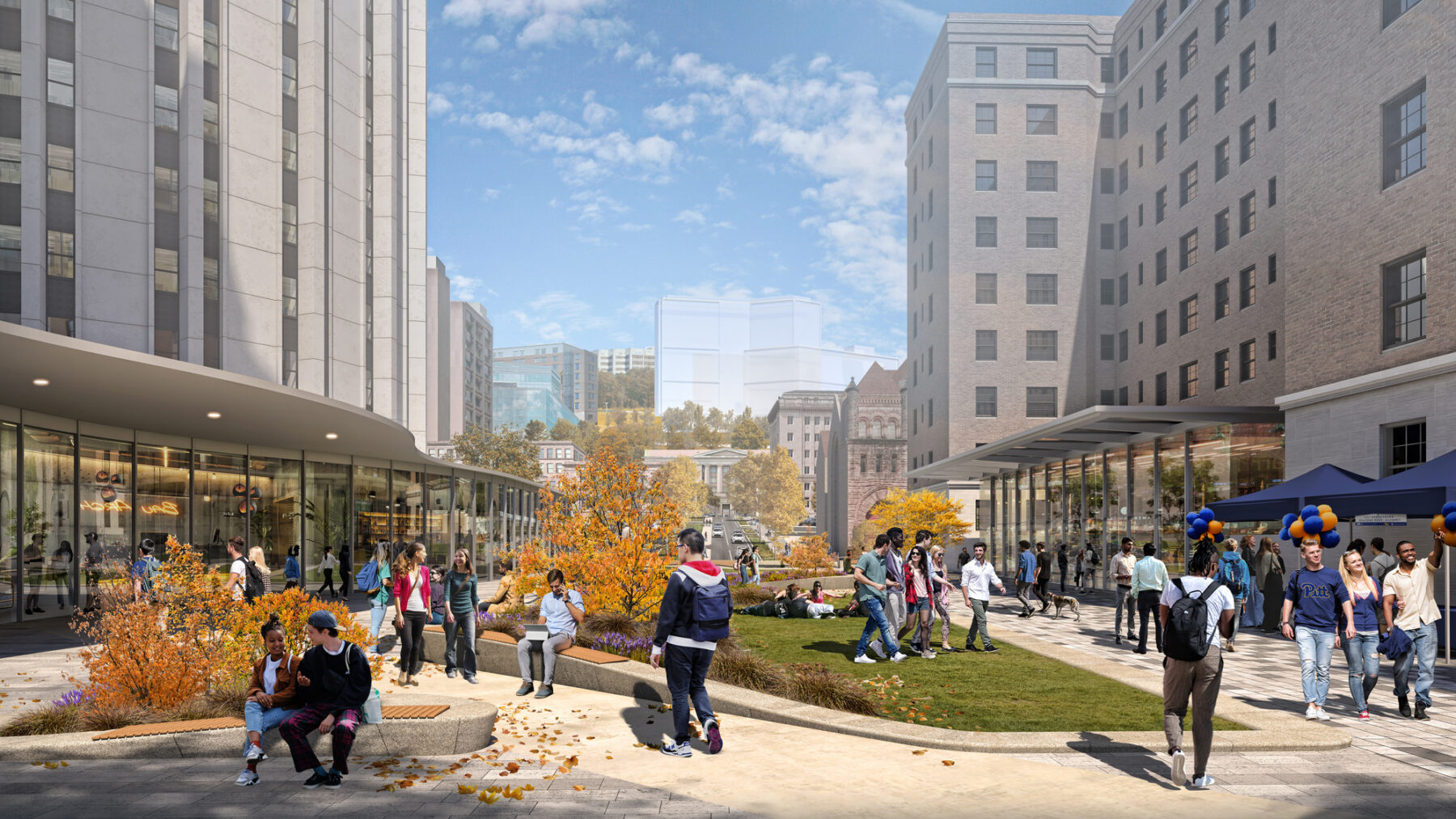
The University of Pittsburgh Campus Master Plan articulates a bold vision for the physical transformation of the campus over the next twenty years in support of the University’s strategic plan. Crafted over a 22-month process, the plan synthesizes institutional priorities and community insight and included subcommittees on Housing, Accessibility, and Mobility, convening stakeholder voices from across academic and administrative units while open forums, digital platforms, surveys, and listening sessions captured the diverse experiences of students, faculty, staff and university partners.
The Campus Master Plan embraces the university’s recent acquisitions of historic buildings, accentuating the trove of early twentieth century architectural gems, and proposed continued and future uses for the historic structures, reinvigorating them while celebrating their rich fabric, and creating additional student-centered space. Targeted recommendations will improve campus placemaking, public realm design, accessibility, connectivity and sustainability, and provide a flexible framework for change.
The plan envisions a connected, inclusive, and resilient campus that amplifies the university’s role as a driver of knowledge, collaboration and impact in the neighborhood, city, Western Pennsylvania and beyond.