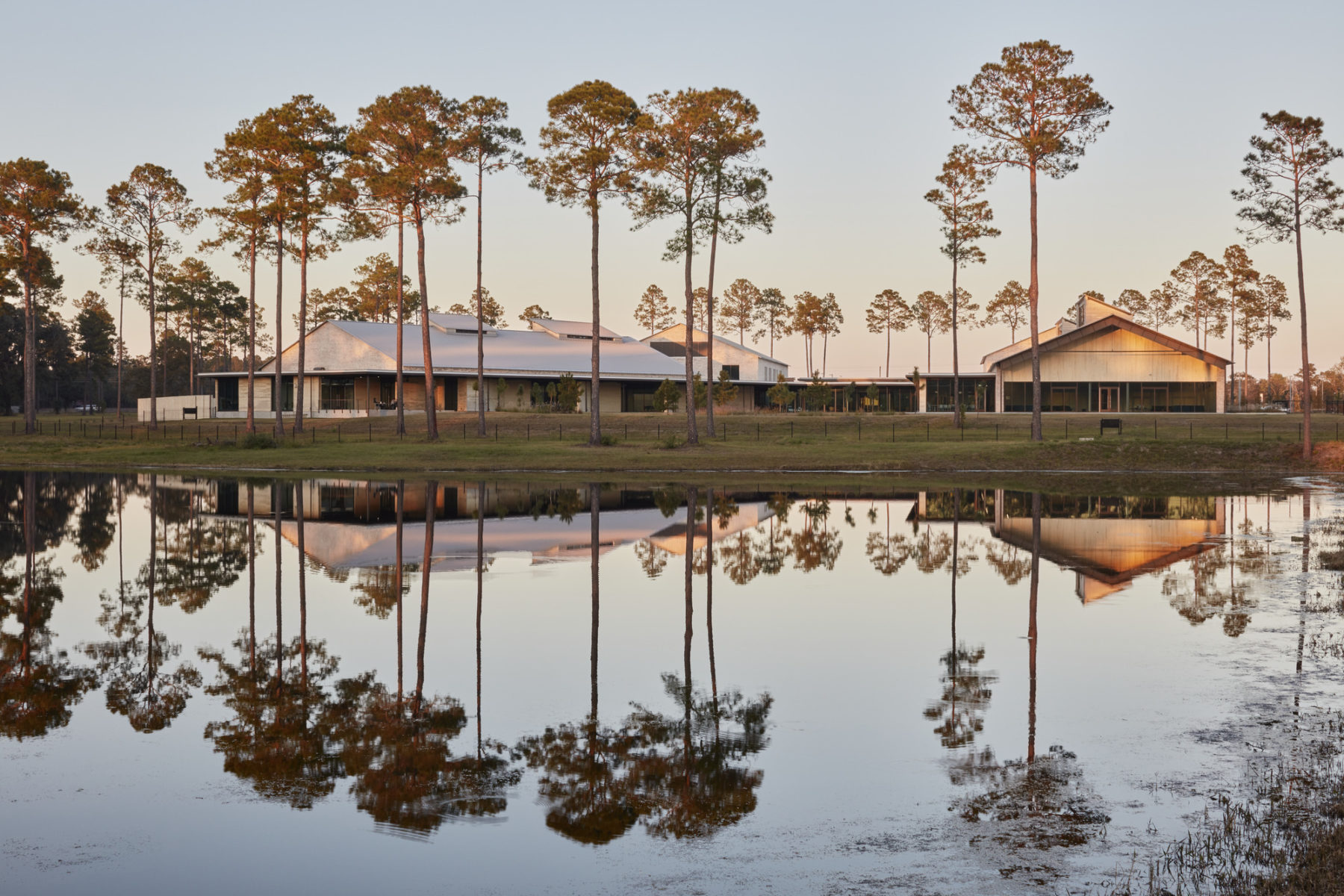


How the Racquet and Recreation Fieldhouse at Princeton Balances World-Class Athletics with Sustainable Design
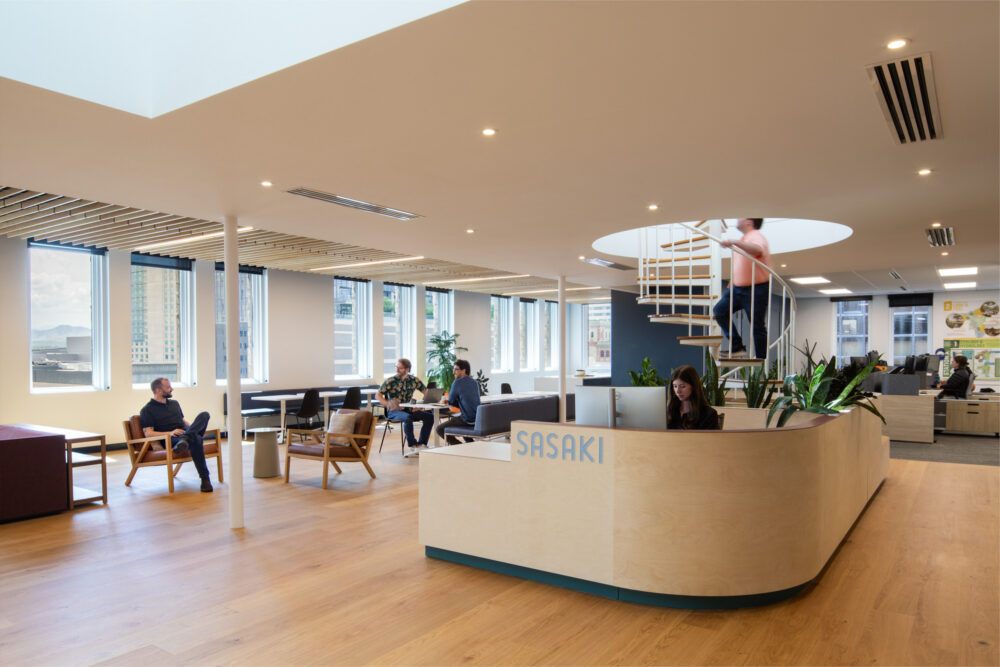
Sasaki's new studio positions us at the heart of the city's creative community as we expand our work across the region.
Modern botanical institutions and public gardens balance conservation, education, and community, demanding new approaches to design.
The American Society of Landscape Architects has selected 50 members to elevate as ASLA Fellows, including Sasaki Principal Tao Zhang.
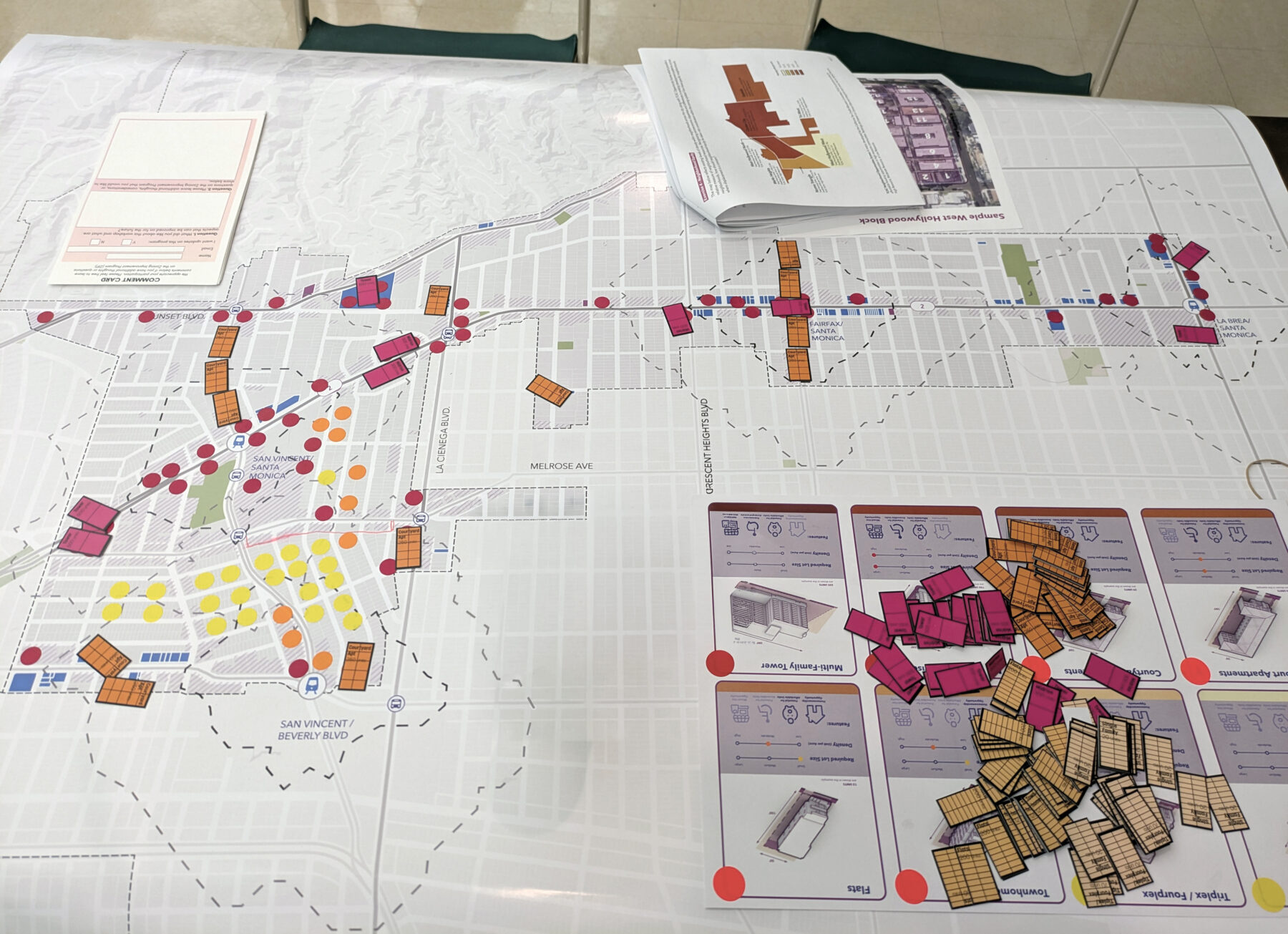
After presenting at the American Planning Association's National Planning Conference, urban designer Sudeshna Su and planner Felicia Jiang examine how to bridge perspectives and bring more voices to the table.
For Daniel Church, successful downtowns are critical to building more sustainable, vibrant futures for our cities and communities.
At Sasaki, thoughtful design from K-12 to higher education aligns physical space with mission-driven investment.
Architect Emily Parris leverages her love of sports and competition to design state-of-the-art facilities for athletics and recreation.
Merging campus planning with decarbonization expertise, Sasaki works with higher education institutions to create tailored roadmaps for achieving carbon neutrality.
Sasaki Associate Principal and Designer Marta Guerra-Pastrián explores how thoughtful design can embrace water as a collaborator in building more resilient communities.
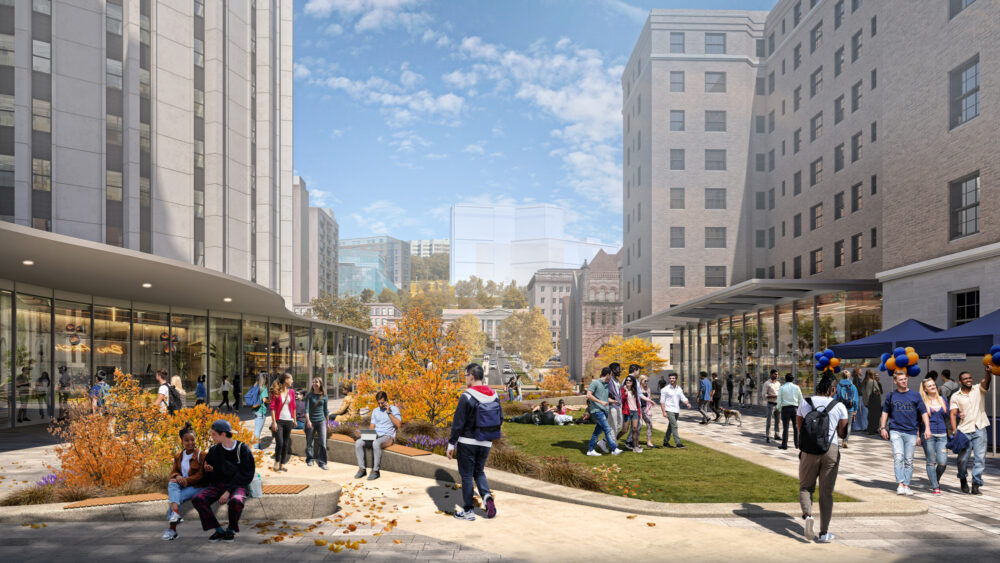
10 World Trade's public realm creates new connections in Boston's Seaport.
Tanvi Sharma's journey from architecture to urban and campus planning reveals how a single transformative experience can reshape a professional trajectory.
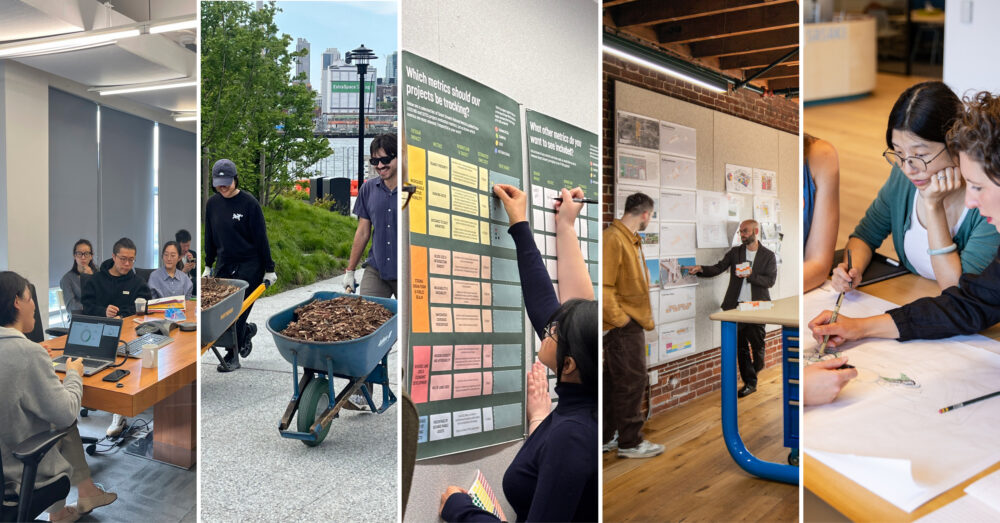
By using multiple modes of outreach, Santa Monica's airport conversion project shows how innovative community engagement can help shape a shared vision centered on a “Great Park.”
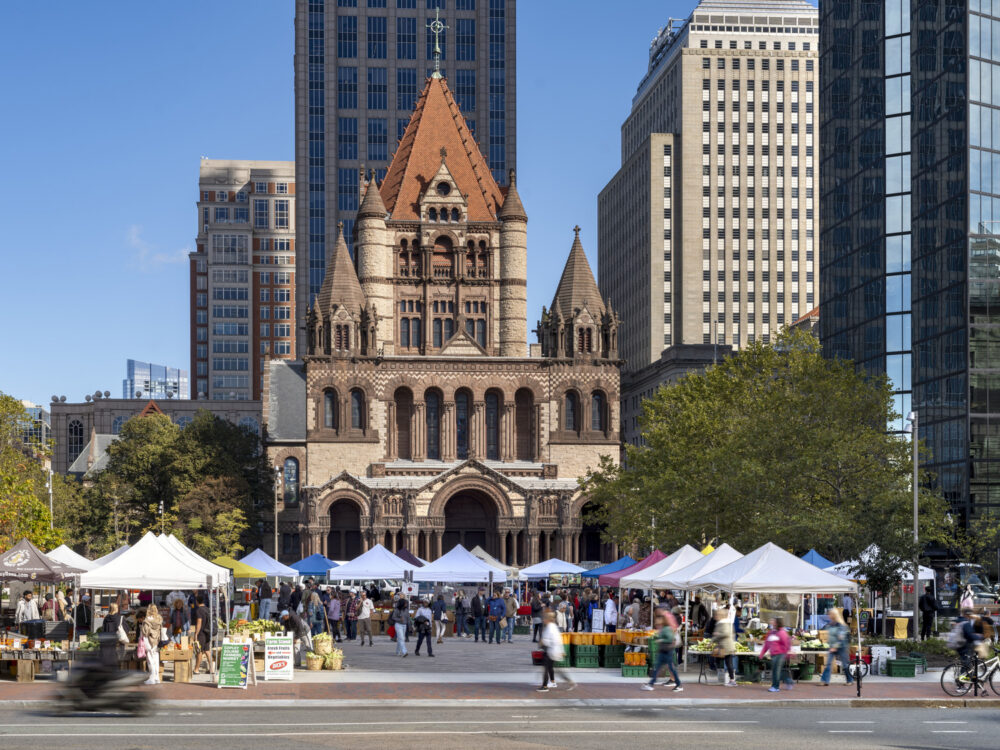
Capitols are more than symbols of democracy; they provide functional civic space. Capitol campuses should not be frozen in time, but rather should evolve to meet society's needs.